
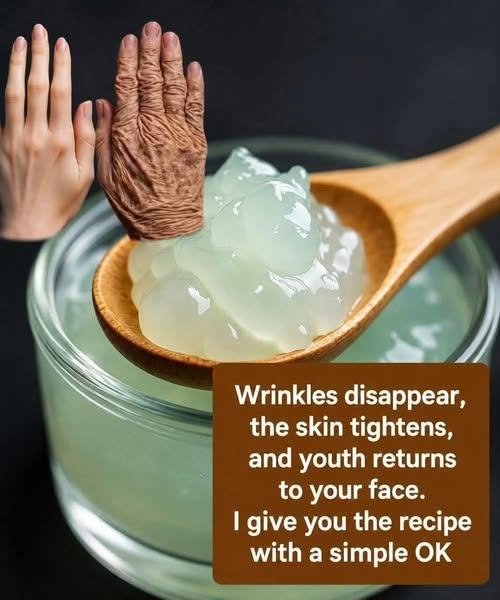
Aloe vera and vitamin E work synergistically — aloe deeply hydrates and tightens, while vitamin E repairs and protects. Here’s how to make and use this skin-renewing treatment properly, including the critical mistakes that make most people give up before seeing results.
Why This Combination Works for Wrinkles and Sagging
-
Aloe Vera: Contains over 75 active compounds, including gibberellins and polysaccharides that stimulate fibroblast cells to produce collagen and elastin. It also contains zinc, which tightens pores and has a mild astringent effect. The result is a genuine “instant tightening” sensation that, with consistent use, translates to real firmness improvement.
-
Vitamin E (as Alpha-Tocopherol): A fat-soluble antioxidant that embeds into cell membranes, neutralizing the free radicals that break down collagen. It’s also an emollient that fills the microscopic cracks between skin cells, making the surface instantly smoother and fine lines less visible. Crucially, it stabilizes and potentiates the aloe’s enzymes.
The mechanism: Aloe delivers hydration and collagen-building signals deep into the dermis; vitamin E forms a protective, restorative seal on the surface, preventing moisture loss while repairing oxidative damage. Together, they address both the cause (free radical damage) and the visible effect (dry, sagging, lined skin).
The “Wrinkles Disappear” Face Mask
Ingredients:
-
2 tablespoons fresh aloe vera gel (from the leaf, or a pure, 99%+ store-bought gel without added alcohol, fragrance, or thickeners)
-
1 vitamin E capsule (400 IU, as d-alpha-tocopherol, not the synthetic dl-alpha form)
-
Optional but recommended: 2–3 drops of frankincense essential oil. It has documented skin-tightening and cytophylactic (cell-renewing) properties that amplify the lift effect.
Instructions:
-
Prick the vitamin E capsule with a clean needle and squeeze the oil into a small, clean bowl.
-
Add the aloe vera gel and the optional frankincense oil.
-
Whip vigorously with a mini fork or a clean finger for 15–20 seconds until you have a uniform, slightly cloudy, silky gel. It won’t fully emulsify, but it should be well-combined.
-
Cleanse your face and neck with a gentle, non-stripping cleanser. Pat dry, leaving skin slightly damp. This is key: aloe’s humectant power multiplies when applied to damp skin.
-
Apply a thin, even layer to your face, neck, and the backs of your hands. No need to cake it on thickly.
-
The tightening ritual: As the mask begins to dry (2–3 minutes), you’ll feel a gentle pulling. This is the aloe’s natural tightening matrix forming. At this point, lie down, relax your face completely, and try not to talk or move your facial muscles for 15–20 minutes. This immobilization while the actives are in contact maximizes the smoothing effect.
-
Rinse with cool—not warm—water. Pat dry. Immediately apply a few drops of a carrier oil (jojoba, rosehip, or almond) as a moisturizer to seal everything in.
Frequency: Do this every night for 10 days straight as a “skin reset,” then reduce to 3–4 times a week for maintenance. The initial intensive phase creates the visible turnaround.
Critical Mistakes That Sabotage Results
1. Using bottled aloe with alcohol or “lidocaine.”
Many sunburn gels masquerade as aloe but contain drying alcohol and numbing agents. These dehydrate skin and worsen wrinkles over time. The label must say 99%+ pure aloe vera, no alcohol. Best option: keep an aloe leaf in your fridge, slice off a 2-inch piece, fillet the gel, and blend it fresh.
2. Applying to dry skin.
Aloe is a humectant. On dry skin, especially in a dry room, it can pull moisture out of your skin, feeling temporarily tight but ultimately dehydrating. Always apply to a damp face.
3. Using synthetic vitamin E (dl-alpha-tocopherol).
The “dl” prefix means it’s petroleum-derived and significantly less bioavailable to skin. Natural vitamin E (d-alpha-tocopherol) is more expensive but dramatically more effective.
4. Skipping the moisturizer seal.
The mask delivers active compounds, but without an occlusive oil over the top afterward, the hydration evaporates. The final oil step is what locks in the plumping effect overnight.
What to Expect (Realistic Timeline)
-
Immediately after rinsing: Skin feels velvety, fine dehydration lines are plumped, and there’s a visible, temporary firmness.
-
After 7–10 days of nightly use: The skin around the eyes appears “fuller.” Superficial crow’s feet and lip lines look softened as the hydration accumulates in the skin layers.
-
After 4–6 weeks: The collagen-stimulating effect of the aloe polysaccharides begins to manifest as a genuine textural change: a small but real reduction in crepeyness and a firmer “bounce” when you press the skin.
This treatment reverses dehydration lines and minor laxity, but very deep expression wrinkles at rest will soften but not disappear. For those, this routine maintains and protects the results of any professional treatments you might consider.
Would you like me to write out a daily anti-aging skincare routine that layers this mask with other natural ingredients like rosehip oil or green tea, or would you prefer a guide on how to harvest and store fresh aloe vera leaf gel so you always have a supply on hand?