
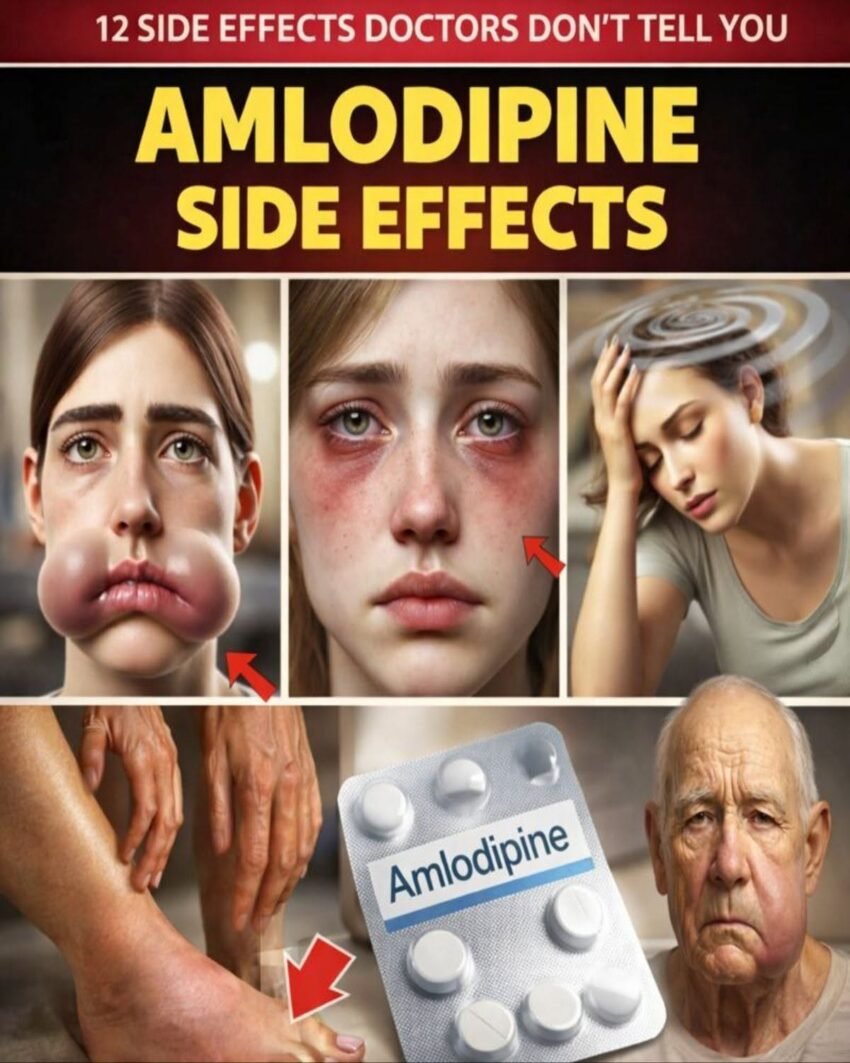
Amlodipine is a commonly prescribed medication used to treat high blood pressure (hypertension) and chest pain (angina). It belongs to a class of drugs called calcium channel blockers, which work by relaxing and widening the blood vessels so the heart doesn’t have to pump as hard.
While amlodipine is generally very safe and effective, it does interact with certain foods, beverages, and habits. Because it affects your blood vessels and liver enzymes, avoiding these 12 things can help your medication work properly and prevent dangerous side effects.
1. Grapefruit and Grapefruit Juice
This is the most critical interaction on this list. Grapefruit contains compounds that block an enzyme in your liver (CYP3A4) that is responsible for breaking down amlodipine.
-
The Risk: If you consume grapefruit regularly while taking amlodipine, the medication can build up to toxic levels in your bloodstream. This can cause your blood pressure to drop dangerously low, leading to severe dizziness, fainting, or a rapid heartbeat.
-
What to do: Avoid grapefruit entirely. Avoid Seville oranges (often used in marmalade), tangelos, and pomelos, as they have a similar effect. Regular sweet oranges and lemons are generally safe.
2. High-Potassium Foods (Use Caution)
Amlodipine does not usually flush potassium out of the body like diuretics (water pills) do, so you do not need to actively restrict potassium. However, you should be cautious with potassium supplements or salt substitutes.
-
The Risk: Many “low-sodium” salt substitutes are made of potassium chloride. If you are taking amlodipine alongside other blood pressure meds (like ACE inhibitors or ARBs), adding large amounts of potassium can lead to hyperkalemia (dangerously high potassium), which can cause irregular heart rhythms.
-
What to do: Speak to your doctor before taking potassium supplements. Enjoy potassium-rich foods (like bananas, spinach, and avocados) in moderation as part of a normal diet unless your doctor tells you otherwise.
3. Alcohol
Alcohol is a natural vasodilator—it expands your blood vessels. Amlodipine does the same thing. When you combine them, the effects stack up.
-
The Risk: Drinking alcohol while taking amlodipine can cause your blood pressure to plummet suddenly. This can lead to orthostatic hypotension (feeling like you are going to pass out when you stand up), dizziness, and lightheadedness.
-
What to do: If you drink, do so in extreme moderation (no more than one drink for women or two for men), and never drink on an empty stomach when taking your medication.
4. High-Fat, Greasy Meals
While you don’t have to take amlodipine on an empty stomach, eating a massive, high-fat meal can slightly alter how your body absorbs the medication, depending on the specific generic formulation.
-
The Risk: A heavy, greasy meal increases blood flow to your digestive tract and can sometimes cause your body to absorb the drug faster or slower than intended, leading to temporary spikes or dips in blood pressure.
-
What to do: Try to take amlodipine at the same time every day, preferably alongside a consistent, balanced meal rather than a fast-food binge.
5. Natural Licorice (Glycyrrhizin)
Real licorice root (found in some imported candies, herbal teas, and supplements, not the red “Twizzler” style candy which is usually anise-flavored) causes the body to retain sodium and lose potassium.
-
The Risk: Licorice can directly raise your blood pressure and cause fluid retention, essentially canceling out the work the amlodipine is trying to do. It can also exacerbate swelling in the legs.
-
What to do: Check the ingredients of herbal teas and imported candies for “licorice root extract” or “glycyrrhiza.”
6. St. John’s Wort (Herbal Supplement)
This popular herbal supplement is often taken for mild depression or mood stabilization, but it is notorious for interacting with heart medications.
-
The Risk: Unlike grapefruit (which slows the breakdown of the drug), St. John’s Wort speeds up the liver enzymes that metabolize amlodipine. This means the medication may flush out of your system too quickly, leaving your blood pressure dangerously uncontrolled.
-
What to do: Avoid St. John’s Wort unless you have explicitly cleared it with your cardiologist or primary care doctor.
7. Lying Flat Right After Taking Your Pill
Amlodipine works by widening blood vessels. This can sometimes relax the valve at the bottom of your esophagus.
-
The Risk: Taking amlodipine and immediately lying down can worsen acid reflux or heartburn because the relaxed valve allows stomach acid to splash up into the throat.
-
What to do: Try to remain upright (sitting or standing) for at least 30 minutes after taking your morning dose.
8. Over-the-Counter NSAIDs (Ibuprofen, Naproxen)
Pain relievers like Advil, Motrin, and Aleve work by blocking prostaglandins, which can cause your kidneys to retain sodium and fluid.
-
The Risk: Regular, daily use of NSAIDs can significantly raise your blood pressure, meaning your amlodipine will have to work twice as hard. It also puts extra strain on your kidneys.
-
What to do: If you need pain relief, acetaminophen (Tylenol) is generally considered safer for blood pressure. If you must take an NSAID, keep it to a short duration and tell your doctor.
9. Sudden Position Changes (Standing Up Too Fast)
Because amlodipine lowers blood pressure, your body’s natural reflexes need a second to adjust when you change positions.
-
The Risk: Standing up quickly from a lying or sitting position can cause blood to pool in your legs, briefly starving your brain of oxygen. This results in a sudden, dizzy “head rush” (orthostatic hypotension) which can lead to falls, especially in older adults.
-
What to do: Get up slowly. Sit on the edge of the bed for a minute before standing, especially when waking up to use the bathroom at night.
10. Prolonged Exposure to Extreme Heat (Hot Tubs, Saunas, Summer Heat)
Heat naturally expands your blood vessels to help cool you down. Combined with amlodipine, this vasodilation is amplified.
-
The Risk: Sitting in a hot tub, taking a very hot shower, or working outside in the summer sun can cause your blood vessels to dilate rapidly, leading to a sudden drop in blood pressure, heat exhaustion, or fainting.
-
What to do: Stay very well hydrated, limit time in saunas and hot tubs to less than 10 minutes, and be cautious when standing up after being in the heat.
11. Stopping the Medication “Cold Turkey”
Because amlodipine works silently in the background, you might be tempted to stop taking it once your blood pressure numbers look good.
-
The Risk: The good numbers are the result of the medication. Stopping suddenly can cause “rebound hypertension”—a sudden, dangerous spike in blood pressure that increases your risk of a heart attack or stroke. It can also trigger chest pain.
-
What to do: Never stop taking amlodipine without speaking to your doctor. If the side effects (like leg swelling) are bothering you, your doctor can adjust the dose or switch you to a different medication safely.
12. Ignoring Swelling in Your Ankles and Feet
This isn’t exactly something you do, but rather something you shouldn’t ignore. Peripheral edema (swelling in the legs, ankles, and feet) is the most common side effect of amlodipine.
-
The Risk: While usually harmless, swelling can be a sign that your dose is too high, or that your heart is struggling with fluid retention. Ignoring it can lead to skin breakdown or difficulty walking.
-
What to do: If you notice your shoes are getting tight or your socks are leaving deep indent marks, elevate your legs when you sit. If the swelling becomes severe or spreads to your hands or face, contact your doctor immediately—they may need to lower your dose or add a diuretic.