
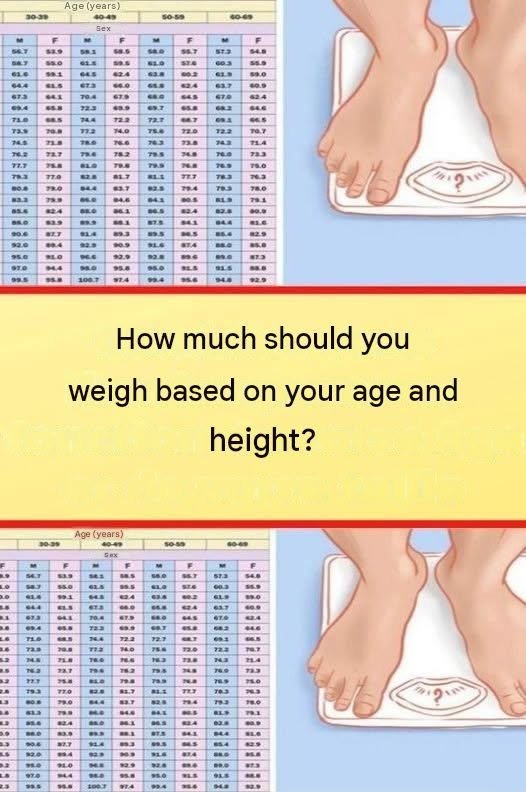
Body Mass Index (BMI) is the most widely used screening tool by doctors and health organizations (like the WHO and CDC) to estimate whether a person’s weight is in a healthy range for their height.
It is a general estimate and doesn’t tell the whole story—it doesn’t distinguish between muscle, fat, and bone density, nor does it account for age, sex, or ethnic background.
Here is a breakdown of how to understand the “ideal” weight using BMI:
1. The BMI Formula and Categories
BMI is calculated by dividing your weight in kilograms (kg) by your height in meters squared (m²).
The standard categories for adults (ages 20 and over) are:
-
Underweight: Below 18.5
-
Healthy Weight (Ideal): 18.5 to 24.9
-
Overweight: 25.0 to 29.9
-
Obese: 30.0 and above
2. General Weight Ranges by Height
If you aim for the “Healthy Weight” bracket (BMI 18.5–24.9), here is a general estimate of what that looks like for a few common heights for adults:
-
5’0″ (152 cm): 95 – 127 lbs (43 – 58 kg)
-
5’4″ (163 cm): 108 – 145 lbs (49 – 66 kg)
-
5’6″ (168 cm): 115 – 154 lbs (52 – 70 kg)
-
5’8″ (173 cm): 122 – 164 lbs (55 – 74 kg)
-
5’10” (178 cm): 129 – 174 lbs (59 – 79 kg)
-
6’0″ (183 cm): 136 – 184 lbs (62 – 83 kg)
Note: These ranges are broad because “ideal” is subjective to your frame size (e.g., someone with a small bone structure will naturally weigh less than someone with a large, dense bone structure).
3. Why BMI Isn’t Perfect (The Exceptions)
While BMI is a useful baseline, it should not be the only metric used to judge health.
-
The Athlete Paradox: Muscle is denser than fat. A highly muscular athlete (like a bodybuilder or football player) may have a BMI over 30 (classified as “obese”) despite having very low body fat and excellent cardiovascular health.
-
The “Skinny Fat” Paradox: Conversely, an older adult or someone who is sedentary might have a “normal” BMI, but carry a dangerously high percentage of visceral body fat around their organs and very low muscle mass.
-
Age and Sex: Women naturally carry more essential body fat than men for reproductive reasons. Additionally, as people age, they naturally lose muscle and bone mass, meaning a slightly higher BMI might actually be protective for seniors over 65.
4. Better Indicators of a “Healthy” Weight
Because BMI only looks at height and weight, doctors often pair it with other measurements to get a true picture of health:
-
Waist Circumference: This measures abdominal fat, which is the most dangerous type of fat. For optimal health, a waist should generally be under 40 inches (102 cm) for men and under 35 inches (88 cm) for women.
-
Waist-to-Hip Ratio: Dividing your waist measurement by your hip measurement. A lower ratio indicates a healthier fat distribution.
-
Body Fat Percentage: This is the most accurate way to see how much of your weight is fat versus muscle, usually measured with special scales, calipers, or DEXA scans.
Summary: If you are looking for a general goal, using a BMI chart to find the 18.5–24.9 range for your height is a perfectly good place to start. However, the true “ideal” weight is the one where you feel energized, your blood work is healthy, you have good strength and mobility, and you can maintain it without extreme dieting.