
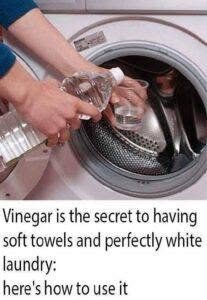
Yes, vinegar (especially white distilled vinegar) is an excellent, natural, and inexpensive way to clean your washing machine. It breaks down mineral deposits, dissolves soap scum, kills mold and mildew, and deodorizes the drum.
Here is exactly how to use it thoroughly, depending on whether you have a front-load or top-load machine.
Step-by-Step Instructions
1. Start with an empty machine
Make sure there are no clothes in the drum.
2. Add the vinegar
-
Top-Load Washer: Fill the machine with hot water on the largest load setting. Once it is full and agitating, add 2 to 3 cups of white distilled vinegar. Close the lid and let it run through the complete wash and rinse cycle.
-
Front-Load Washer: Pour 2 cups of white distilled vinegar directly into the empty drum, or into the detergent dispenser. Run the machine on the hottest, longest, and heaviest cycle.
3. Pause for a soak (For deep cleaning)
If your machine hasn’t been cleaned in a long time, let the vinegar do the heavy lifting. Once the machine has filled with hot water and the vinegar has mixed in, pause the cycle and let it sit for 30 to 60 minutes. This allows the acid in the vinegar to dissolve hard water buildup and mildew. After the soak, resume and let the cycle finish.
Don’t Forget the Details (Crucial for a “Thorough” Clean)
The drum isn’t the only place grime builds up. Use a 50/50 solution of vinegar and warm water in a spray bottle to clean the exterior parts:
-
The Gasket/Rubber Seal (Front-loaders): Pull back the rubber gasket at the front of the machine. Wipe inside the folds thoroughly with a rag soaked in the vinegar solution. This is where black mold, hair, and forgotten socks hide.
-
The Detergent/Fabric Softener Dispensers: Remove the drawers if possible. Soak them in a sink full of warm water and 1 cup of vinegar for 15 minutes, then scrub with an old toothbrush to remove caked-on soap. Wipe down the empty cavity inside the machine where the drawer slides in.
-
The Filter: If your machine has a clean-out filter (usually at the bottom front), open it (have a towel and shallow pan ready for water), remove the filter, and rinse it in the vinegar solution.
-
The Lid/Top: Wipe down the exterior, the top of the drum, and the lid with the vinegar solution.
A Few Important Warnings
-
Do not mix with bleach: Vinegar mixed with chlorine bleach creates toxic chlorine gas. Never use them in the same cycle.
-
Will it damage rubber? While vinegar is safe for occasional cleaning, frequent use of undiluted vinegar can slowly degrade rubber hoses and seals over many years. For this reason, limit a pure vinegar wash to once every 1 to 3 months.
-
The “Baking Soda” trick: For an even deeper clean, you can add 1/2 cup of baking soda directly into the drum after your vinegar cycle is finished and run a short, hot water cycle. Do not mix them at the same time (they will just foam up and neutralize each other).
Bonus Tip: After running the vinegar cycle, if there is a slight vinegar smell left in the drum, simply run an empty rinse cycle with just cold water, or leave the door open for a few hours until it dries completely.