
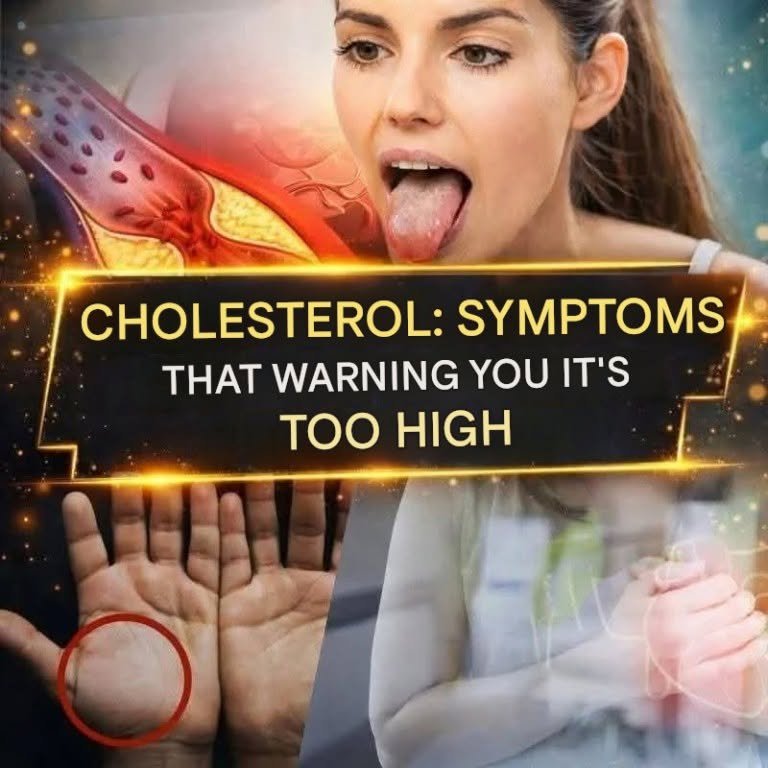
High cholesterol is often called a “silent killer” because it typically presents no obvious symptoms until it has already caused significant damage to your cardiovascular system. Most people discover they have it only through a routine blood test (a lipid panel).
However, when extremely high cholesterol or the complications of long-term high cholesterol (like narrowed or blocked arteries) begin to set in, your body can send warning signs. Here are 5 symptoms and physical indicators that may warn you your cholesterol is dangerously high:
1. Xanthomas (Fatty Bumps Under the Skin)
One of the most direct physical signs of severely high cholesterol or a genetic condition called Familial Hypercholesterolemia is the development of xanthomas. These are soft, yellowish, fatty deposits that build up under the skin. They can appear as small, raised bumps or flat plaques, most commonly found on the:
-
Eyelids (called xanthelasma)
-
Knuckles, elbows, or knees
-
Tendons, especially the Achilles tendon at the back of the heel
-
Palms of the hands
2. Arcus Senilis (A White or Gray Ring Around the Cornea)
If you notice a pale, white, or grayish ring forming around the outer edge of the cornea (the clear front part of your eye), it could be a sign of high cholesterol. While this is a normal part of aging for people over 60, if it appears in a person under the age of 45, it is strongly linked to high levels of cholesterol and triglycerides in the blood.
3. Angina or Chest Pain (A Warning of Blocked Arteries)
High cholesterol doesn’t cause chest pain directly, but it leads to the buildup of plaque in your arteries (atherosclerosis). As arteries narrow, the heart has to work harder to pump blood. You may start to experience:
-
Tightness, pressure, or a squeezing sensation in the chest
-
Pain that radiates to the neck, jaw, shoulders, or arms
-
This pain often occurs during physical exertion or emotional stress and eases with rest. This is a major red flag that cholesterol has already begun blocking your coronary arteries.
4. Leg Pain or Cramping While Walking (Peripheral Artery Disease)
Just as cholesterol clogs the arteries around the heart, it can also block the arteries that supply blood to your legs and arms. This condition is called Peripheral Artery Disease (PAD). The hallmark symptom is claudication:
-
Aching, cramping, or fatigue in the calves, thighs, or hips
-
The pain occurs consistently when you walk a certain distance and stops when you rest
-
The skin on your legs may become shiny, cold to the touch, or you may notice hair loss on the legs and feet due to poor circulation.
5. Digestive Distress or Nausea (Potential Pancreatitis)
When cholesterol is extremely high (specifically triglycerides, which are often included when doctors talk about “cholesterol” health), it can overwhelm the pancreas. The pancreas becomes inflamed, leading to acute pancreatitis. Watch out for:
-
Sudden, severe pain in the center or upper left of the abdomen
-
Nausea and vomiting
-
Fever or a rapid pulse
-
This is a medical emergency and often the first physical symptom a person with astronomical triglyceride levels experiences.
⚠️ Important Takeaway: You cannot feel your arteries clogging. By the time you experience symptoms like angina, leg pain, or vision changes, the buildup is already advanced. Because high cholesterol usually has zero symptoms in its early and most treatable stages, adults should get their cholesterol checked with a simple blood test every 4 to 6 years (or more often if you have a family history, obesity, diabetes, or high blood pressure).