
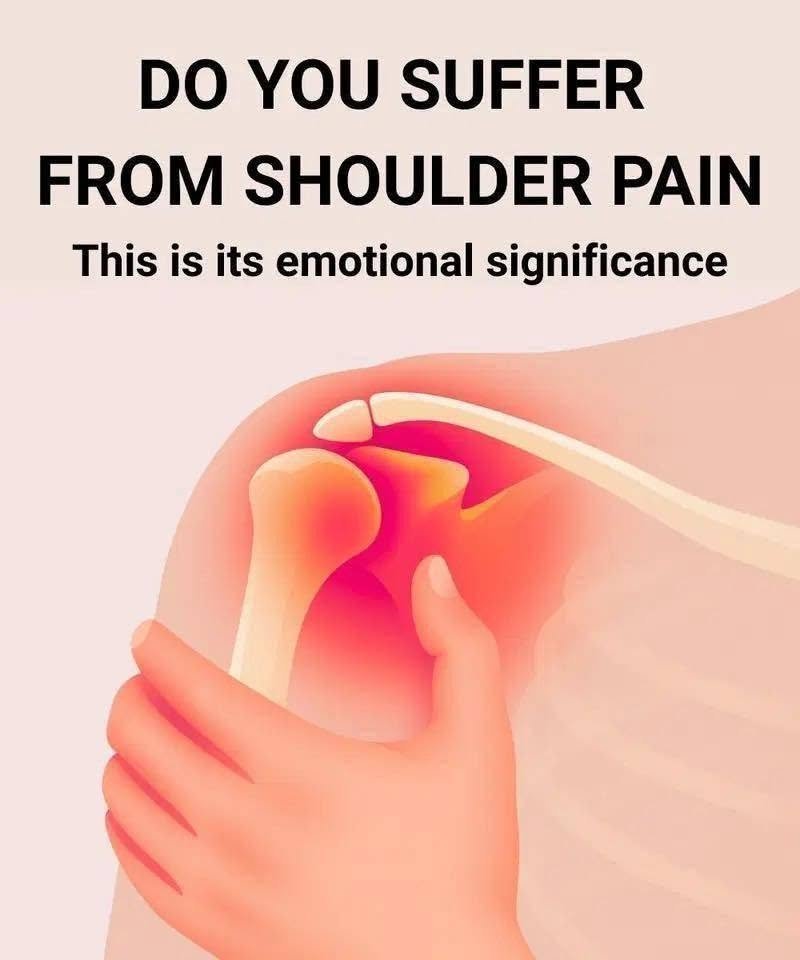
Here’s a look at what shoulder pain may mean emotionally, based on mind-body perspectives and traditional healing approaches.
Does Your Shoulder Hurt? Here’s What It May Mean Emotionally
Shoulder pain is often physical — but many mind-body practitioners believe the shoulders also hold emotional tension. The shoulders are where many people carry stress, responsibility, and unexpressed feelings.
While emotional meaning should never replace medical evaluation, it can offer helpful insight when pain is chronic or has no clear physical cause.
What the Shoulders Represent Emotionally
The shoulders are often associated with:
-
Carrying burdens and responsibilities
-
Feeling weighed down by life
-
Struggling to “shoulder” a problem alone
-
Difficulty asking for help
-
Carrying other people’s emotional weight
-
Feeling trapped, unsupported, or overburdened
Common Emotional Meanings by Location
Left Shoulder
-
Often linked to feminine energy, receiving, and emotional nurturing
-
May reflect:
-
Feeling unsupported emotionally
-
Carrying the weight of family or relationships
-
Difficulty receiving help or love
-
Grief or sadness held in the body
-
Right Shoulder
-
Often linked to masculine energy, action, work, and responsibility
-
May reflect:
-
Pressure at work or financial stress
-
Carrying too much professional responsibility
-
Feeling like you must handle everything alone
-
Overwhelm related to duties and expectations
-
Both Shoulders
-
Feeling like the weight of the world is on your shoulders
-
Long-term stress with no relief
-
Inability to say no
-
Carrying burdens that aren’t fully yours
Shoulder Blades
-
Often connected to feeling unsupported from behind
-
May reflect:
-
Feeling betrayed or let down by others
-
Lack of emotional backing
-
Carrying hidden stress or unspoken pain
-
Upper Shoulders and Neck
-
Often linked to overthinking and mental tension
-
May reflect:
-
Too many responsibilities
-
Racing thoughts
-
Feeling tense or guarded
-
Emotional Patterns That May Contribute to Shoulder Pain
-
Over-responsibility
-
Martyrdom — doing too much for others
-
Difficulty setting boundaries
-
Unexpressed anger or frustration
-
Perfectionism
-
Feeling unsupported or alone
-
Fear of letting people down
-
Carrying family or generational stress
How to Release Emotional Shoulder Tension
1. Acknowledge the Feelings
Ask yourself:
-
What am I carrying that isn’t mine to carry?
-
Where do I feel unsupported?
-
What am I afraid to put down?
-
Who or what feels like a heavy burden right now?
2. Set Boundaries
-
Practice saying no without guilt
-
Delegate tasks instead of doing everything yourself
-
Let people be responsible for their own emotions and problems
3. Physical Release
-
Gentle shoulder rolls and stretching
-
Progressive muscle relaxation
-
Warm baths with Epsom salt
-
Massage or self-massage with warm oil
-
Yoga poses like child’s pose, cat-cow, and shoulder openers
4. Breathwork
-
Deep belly breathing calms the nervous system
-
Inhale for 4 counts, hold for 4, exhale for 6
-
Imagine releasing weight from your shoulders with each exhale
5. Journaling
Write about:
-
What feels heavy right now
-
What responsibilities are draining you
-
Where you need support
-
What you wish you could put down
6. Ask for Help
-
Emotional shoulder pain often comes from doing everything alone
-
Let trusted people support you
-
Consider talking to a therapist or counselor
When to See a Doctor
Shoulder pain should always be checked by a medical professional if you have:
-
Sudden or severe pain
-
Injury or fall
-
Limited range of motion
-
Swelling, redness, or warmth
-
Pain that radiates down the arm
-
Chest pain, shortness of breath, or dizziness
-
Pain lasting more than 2 weeks
Shoulder pain can come from:
-
Rotator cuff injuries
-
Frozen shoulder
-
Arthritis
-
Bursitis
-
Tendonitis
-
Heart issues (especially left shoulder pain)
Bottom Line
Your shoulders may be telling you something important — you are carrying too much. Physical pain is real, but emotional stress can amplify it. Listening to both your body and your emotions can help you heal more completely.
Would you like a gentle 10-minute stretching routine for shoulder tension relief?