
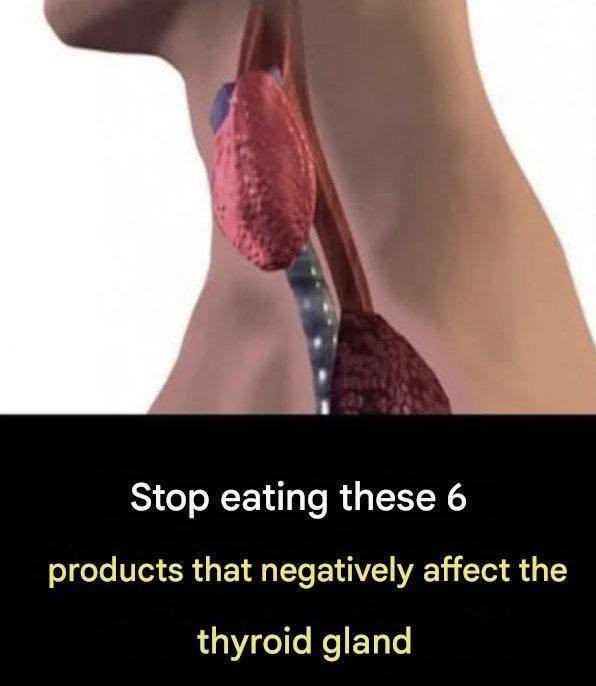
The thyroid is a small, butterfly-shaped gland that plays a massive role in your metabolism, energy levels, and hormone regulation. For those managing hypothyroidism (underactive thyroid), hyperthyroidism (overactive thyroid), or autoimmune conditions like Hashimoto’s disease, diet can have a significant impact on symptom management.
Here are 6 foods (and categories of food) that can negatively affect thyroid function, and why you might want to avoid or limit them:
1. Raw Cruciferous Vegetables (Goitrogens)
Vegetables like broccoli, kale, cabbage, cauliflower, and Brussels sprouts are incredibly healthy, but they contain compounds called goitrogens. When eaten raw in very large quantities, goitrogens can interfere with the thyroid’s ability to absorb iodine, which is essential for producing thyroid hormones.
-
What to do: Don’t cut them out entirely—they are nutrient powerhouses! Cooking them significantly reduces the goitrogenic effect. Steaming, roasting, or boiling breaks down the enzymes. It is mostly a concern for those with existing iodine deficiency or who consume massive amounts raw (like in daily green smoothies or juices).
2. Soy Products
Soy contains isoflavones, which are also considered goitrogens. High consumption of soy (such as soy milk, tofu, edamame, and soy protein powders) can inhibit the activity of thyroid peroxidase—the enzyme that helps produce thyroid hormones.
-
What to do: If you have an underactive thyroid or are taking synthetic thyroid hormone (like Levothyroxine), you don’t necessarily have to eliminate soy, but you should limit your intake and avoid highly processed soy isolates.
-
Crucial tip: Soy can interfere with the absorption of thyroid medication. Wait at least 4 hours after taking your medication before consuming soy.
3. Gluten
Gluten is a protein found in wheat, barley, and rye. There is a strong molecular similarity between the protein structure of gluten and thyroid tissue. For individuals with Celiac disease or gluten sensitivity, consuming gluten can trigger an immune response that may mistakenly attack the thyroid gland (a phenomenon linked to Hashimoto’s thyroiditis).
-
What to do: If you have an autoimmune thyroid condition, it may be worth asking your doctor for a celiac blood panel or trying an elimination diet to see if removing gluten reduces your symptoms like brain fog, fatigue, or inflammation.
4. Highly Processed Foods and Excess Sugar
Thyroid dysfunction often slows down the metabolism, making weight management difficult. Highly processed foods and refined sugars cause blood sugar spikes and crashes, increase systemic inflammation, and put stress on the adrenal glands. Chronic inflammation can exacerbate autoimmune thyroid conditions.
-
What to do: Limit sodas, candies, fast food, and packaged snacks. Instead, focus on whole foods, lean proteins, healthy fats, and complex carbohydrates (like sweet potatoes or oats) to keep your energy stable.
5. Excessive Fiber (Timing matters)
Fiber is generally a great thing for your digestive system, but consuming a very high-fiber diet (beans, lentils, bran, psyllium husk supplements, and high-fiber cereals) can bind to thyroid medication in the digestive tract and prevent it from being fully absorbed into the bloodstream.
-
What to do: If you are on thyroid medication, you don’t need to avoid fiber, but you need to time it carefully. Take your thyroid medication on an empty stomach with water, and wait 30 to 60 minutes before eating breakfast or consuming fiber supplements.
6. Certain Fatty Foods (When taking medication)
While healthy fats like avocados, nuts, and olive oil are generally anti-inflammatory and good for you, a very high-fat meal can temporarily slow down the absorption of thyroid hormone replacement medication.
-
What to do: If you are taking medication, try to avoid a heavy, high-fat breakfast (like a plate of bacon and eggs or a heavy bulletproof coffee) immediately after taking your pill. Studies have shown that high-fat meals may reduce the body’s absorption of the medication.
Summary:
If your thyroid levels are normal and you have no underlying thyroid issues, you generally don’t need to worry about these foods. However, if you have hypothyroidism or an autoimmune thyroid condition, focus on cooking your vegetables, timing your soy/fiber/fats around your medication, and reducing inflammatory processed foods.