
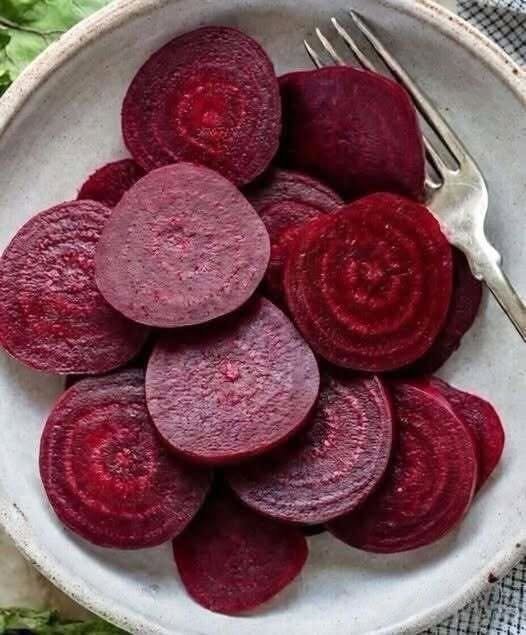
Beetroots—often just called beets—are having a major moment in the wellness world, and for good reason. Once relegated to the sad salad bar, these vibrant root vegetables are now being studied by doctors and sports scientists for their almost drug-like effects on the body.
From the gym to the heart, here is exactly what happens to your body when you eat beets regularly, according to medical experts and dietitians.
1. Your Blood Pressure May Drop (Within Hours)
Beets are one of the richest dietary sources of dietary nitrates. When you eat beets, your body converts these nitrates into nitric oxide. Nitric oxide is a molecule that relaxes and widens your blood vessels.
-
The Doctor’s Take: Cardiologists often point to studies showing that drinking beet juice can lower systolic blood pressure by 4 to 10 mmHg within just a few hours of consumption.
-
The Benefit: Better blood flow means less strain on your heart and a lower risk of heart disease and stroke.
2. You’ll Power Through Your Workouts
If you are an athlete or just trying to survive a spin class, beets might be your new secret weapon. That same boost in nitric oxide also improves mitochondrial efficiency—meaning your cells produce energy using less oxygen.
-
The Doctor’s Take: Sports medicine doctors note that beet juice is one of the few “legal performance enhancers” that actually has robust scientific backing.
-
The Benefit: Studies show people who consume beets 2–3 hours before exercise can cycle, run, or lift for longer periods of time before hitting exhaustion. You may literally feel like you have more gas in the tank.
3. Your Brain May Feel Sharper
As we age, blood flow to the brain naturally decreases. Because beets open up the blood vessels, they help push oxygen-rich blood to the brain—particularly to the frontal lobe, which is responsible for decision-making and memory.
-
The Doctor’s Take: Neurologists studying dementia and cognitive decline are interested in nitrates. Research suggests that a diet high in nitrates (from beets and leafy greens) is linked to better cognitive function in older adults.
-
The Benefit: You may experience better focus, quicker reaction times, and a lower risk of age-related mental decline.
4. Your Digestion Will Improve (After a Brief Scare)
Beets are packed with fiber—about 3.8 grams per cup—which is excellent for your gut microbiome. Fiber feeds the “good” bacteria in your intestines, which reduces inflammation and keeps you regular.
-
The “Scare”: If you eat beets and later panic because you think you are passing blood in the toilet, don’t worry. This is a harmless condition called beeturia. It happens because the deep red pigments (betalains) in beets pass through the digestive tract of some people.
-
The Benefit: Better regularity, a healthier gut barrier, and a lower risk of colon cancer.
5. Your Liver Gets a Detox Boost
Your liver is your body’s main filtration system, and it gets a workout daily from processed foods, alcohol, and environmental toxins. Beets contain a specific group of phytonutrients called betalains (which give them their red/gold color).
-
The Doctor’s Take: Hepatologists (liver doctors) note that betalains have strong anti-inflammatory and antioxidant properties that support liver detoxification. Beets also contain methionine and glycine, which help prevent fatty acid buildup in the liver.
-
The Benefit: A natural, gentle cleanse that supports your body’s ability to process and remove toxins.
6. You’ll Fight Inflammation
Chronic inflammation is the root of almost every modern disease, from arthritis to heart disease. Beets are rich in betalain pigments, which have been shown to inhibit specific inflammatory signaling pathways in the body.
-
The Benefit: Regular consumption of beets may help reduce joint pain, muscle soreness after workouts, and internal inflammation.
How to Get the Most “Upgrade” from Your Beets
Doctors and nutritionists agree that how you prepare beets matters:
-
Don’t boil them to death: Boiling beets can leach out their water-soluble nitrates and vitamins. Roasting, steaming, or juicing them preserves the most nutrients.
-
Eat the greens: If your beets come with the leafy green tops attached, don’t throw them away! The greens are incredibly high in iron, calcium, and vitamins A and K. Sauté them with garlic and olive oil just like spinach.
-
Timing for workouts: For performance benefits, drink 1–2 cups of raw beet juice or eat 1–2 whole roasted beets about 2–3 hours before exercise.
The One Warning
While beets are incredibly healthy, they are also high in oxalates. If you have a history of calcium oxalate kidney stones, you should eat beets in moderation and talk to your doctor, as the oxalates can bind with calcium and form stones in susceptible individuals.
The Bottom Line: Beets are a genuine “superfood.” Eating them a few times a week can provide a noticeable boost to your blood pressure, stamina, brainpower, and digestion. It is one of the easiest, cheapest upgrades you can make to your diet.