
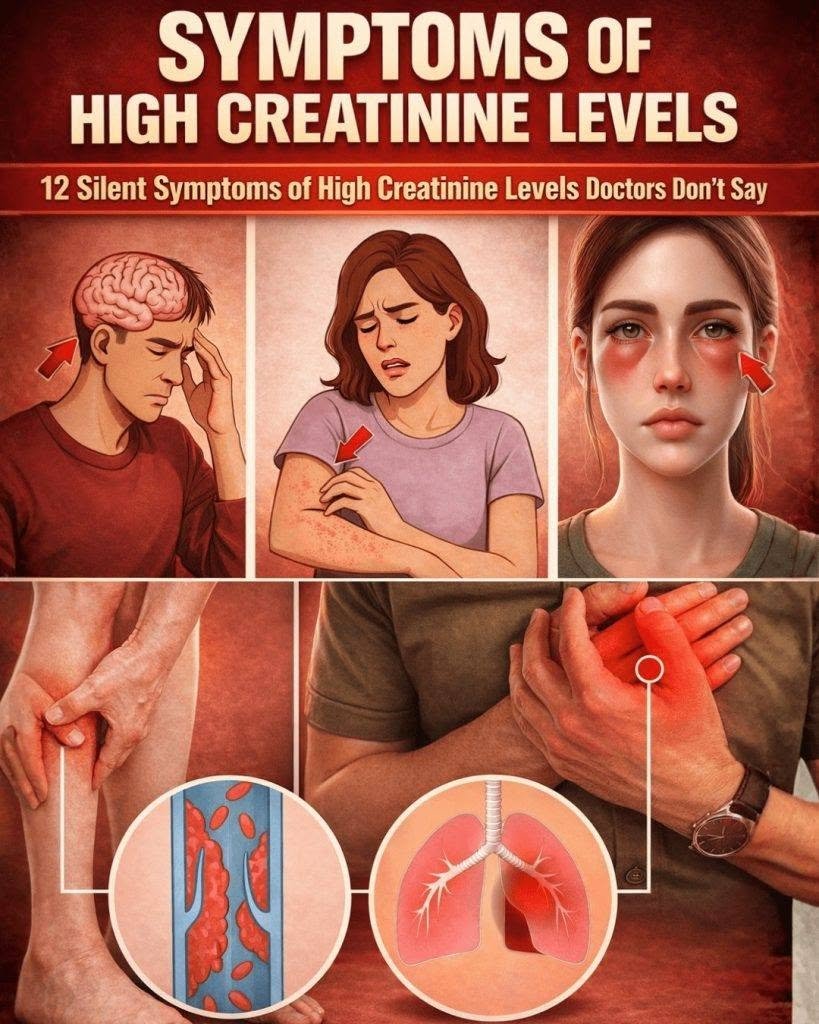
Here are 12 subtle signs that your creatinine levels might be elevated, potentially pointing to early kidney stress or dysfunction.
First, a quick note on what creatinine is: Creatinine is a waste product generated by normal muscle breakdown. Your kidneys filter it out of your blood and flush it out through urine. When the kidneys aren’t filtering efficiently, creatinine builds up in the bloodstream.
The tricky part about early kidney issues is that the symptoms are often very mild, highly generalized, or easily blamed on other things like stress or aging. If you notice a combination of these signs, it is worth asking your doctor for a simple blood test (Basic Metabolic Panel) and a urine test.
1. Persistent, Unexplained Fatigue
Healthy kidneys produce a hormone called erythropoietin (EPO), which tells your body to make red blood cells. If kidney function drops, EPO production drops, leading to anemia. Fewer red blood cells mean less oxygen getting to your brain and muscles, resulting in deep, relentless exhaustion even after a full night’s sleep.
2. Swelling or Puffiness (Edema)
When kidneys struggle to filter fluid and sodium, that fluid builds up in the body’s tissues. You might notice “sock marks” around your ankles, tight rings on your fingers, or puffiness around your eyes—especially first thing in the morning.
3. Changes in Urination
Because the kidneys are literally the body’s filtration and plumbing system, changes in urine are a major red flag. You might notice:
-
Foamy or bubbly urine: This indicates protein is leaking into the urine (a classic sign of kidney stress).
-
Increased frequency at night: You might find yourself waking up multiple times to urinate (nocturia).
-
Decreased output or dark urine: Conversely, you might notice you are barely going to the bathroom despite drinking fluids.
4. Dry, Itchy Skin
Healthy kidneys remove waste and excess fluid from the blood and help balance minerals and nutrients. When waste builds up in the blood (uremia), it causes severe, deep itching and dry skin that moisturizer won’t fix. The skin may also take on a sallow, grayish, or yellowish tone.
5. Muscle Cramps (Especially at Night)
As mentioned in previous conversations, electrolyte imbalances can cause cramping. If the kidneys are failing to balance calcium, phosphorus, and potassium levels properly, you may experience painful muscle twitches and cramps, particularly in the legs at night.
6. Poor Appetite and Nausea
A buildup of toxins (uremia) in the blood irritates the stomach lining and messes with your digestive system. Food may suddenly taste metallic, or you might feel full very quickly, lose your appetite, and experience low-grade nausea in the mornings.
7. Brain Fog and Difficulty Concentrating
When creatinine and other waste products rise, they affect the central nervous system. You might find it hard to focus, feel unusually confused, or feel dizzy and lightheaded. Memory recall might also become sluggish.
8. Shortness of Breath
There are two reasons for this. First, anemia from low red blood cells leaves you gasping for air after minimal exertion. Second, excess fluid in the body can leak into the lungs (pulmonary edema), making it feel like you can’t catch your breath even when sitting still.
9. Feeling Cold All the Time
Anemia caused by declining kidney function reduces your metabolic rate and circulation. If you are constantly reaching for a sweater while everyone else in the room feels fine, it could be a sign your blood isn’t circulating oxygen as efficiently as it should.
10. High Blood Pressure
The kidneys play a critical role in regulating blood pressure. If they start to fail, they struggle to excrete sodium, and they may release hormones that constrict blood vessels. High blood pressure is both a cause and a symptom of kidney disease.
11. Persistent Back Pain (Flank Pain)
Pain in the small of your back, just below the ribcage and to the sides of your spine, can sometimes be associated with kidney issues. While muscle strain is much more common, kidney pain tends to be a deep, dull ache that doesn’t get better by changing positions.
12. Unexplained Weight Loss
As uremia sets in and appetite drops, you might lose weight without trying. Additionally, the body may start breaking down muscle tissue for energy if it isn’t getting proper nutrition, which paradoxically releases more creatinine into the blood.
What Causes High Creatinine?
Elevated creatinine isn’t always a sign of disease. It can naturally be higher in bodybuilders, people who eat massive amounts of red meat, or those taking creatine supplements. However, it can also be caused by:
-
Chronic dehydration
-
Urinary tract obstructions (like kidney stones)
-
Infections
-
Medications (NSAIDs like ibuprofen, certain blood pressure meds, and antibiotics)
-
Underlying conditions like diabetes or high blood pressure
The Bottom Line:
Because early kidney disease is often silent, you can’t rely on symptoms alone. If you have risk factors (diabetes, high blood pressure, family history of kidney disease) or if you notice a cluster of the subtle signs above, ask your doctor to run a CMP (Comprehensive Metabolic Panel) and a urinalysis. Early detection is the most powerful tool for protecting your kidneys.