
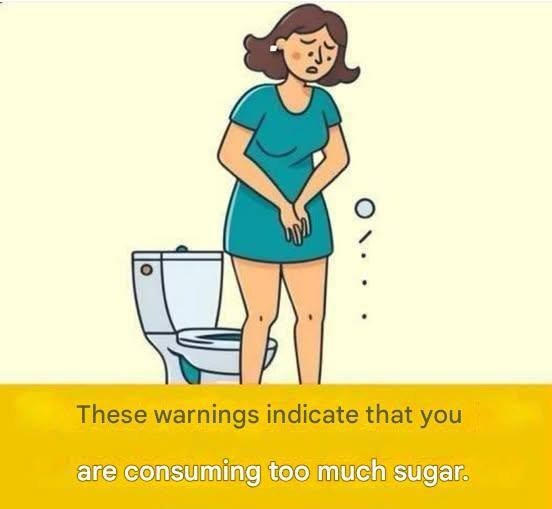
It is important to note that sugar is naturally present in many healthy foods, such as fruits, vegetables, and dairy. The danger comes from added sugars and refined carbohydrates, which are found in sodas, baked goods, candy, and many processed foods.
When you consume too much added sugar, your body sends out a variety of physical, mental, and metabolic signals. Here are 10 warning signs that your sugar intake may be too high:
1. Constant Cravings and Increased Hunger
Sugar hijacks your brain’s reward system. When you eat sugar, your brain releases dopamine (the “feel-good” hormone). Over time, you need more sugar to get the same “high.” Furthermore, sugar spikes your blood glucose, followed by a rapid crash. This crash signals your brain that you need more energy, making you feel hungry again shortly after eating a heavy meal, trapping you in a cycle of cravings.
2. Energy Peaks and Crashes
Do you reach for a coffee or a candy bar at 3 PM just to keep your eyes open? Eating refined sugar gives you a rapid burst of energy as your blood sugar spikes. However, your pancreas responds by releasing a large amount of insulin to bring that sugar down. This over-correction causes a “sugar crash,” leaving you feeling tired, lethargic, and irritable.
3. Unexplained Weight Gain
Excess sugar is excess energy. Because sugary foods and drinks (especially sodas and juices) don’t fill you up, you end up eating more calories overall. Additionally, when your liver is overloaded with fructose (a component of table sugar), it converts the excess directly into visceral fat (belly fat), which is the most dangerous type of fat for your metabolic health.
4. Frequent Breakouts and Skin Aging
A diet high in refined sugars and high-glycemic foods spikes your insulin levels. High insulin triggers the production of sebum (oil) and androgens, which can lead to clogged pores and acne. Furthermore, excess sugar in the bloodstream binds to proteins like collagen and elastin in a process called glycation. This makes the skin stiff, leading to premature wrinkles, sagging, and a loss of natural elasticity.
5. Brain Fog and Poor Concentration
While a sugar rush might make you feel alert for 15 minutes, high sugar consumption is linked to impaired cognitive function and memory. The rapid swings in blood glucose can starve your brain of the steady fuel it needs, leading to difficulty concentrating, mental fatigue, and a feeling of “brain fog.”
6. Dental Cavities and Bleeding Gums
This is the most well-known warning sign. Sugar feeds the harmful bacteria in your mouth. These bacteria produce acid that erodes tooth enamel, leading to cavities. If you find yourself getting new cavities at your dental checkups despite brushing regularly, or if your gums are inflamed and bleeding, sugar is likely the culprit.
7. Achy Joints and Inflammation
Chronic high sugar consumption promotes systemic inflammation in the body. For many people, this manifests as joint pain, stiffness, or exacerbated arthritis. If you wake up feeling stiff and achy without having done physical activity, your diet—specifically high sugar and refined carbs—might be driving the inflammation.
8. Digestive Issues and Bloating
Sugar can wreak havoc on your gut microbiome. High sugar intake feeds “bad” bacteria and yeast (like Candida) in the gut, allowing them to overgrow and crowd out beneficial bacteria. This imbalance can lead to gas, bloating, diarrhea, or constipation. Fructose, in particular, is poorly absorbed by many people, leading to significant digestive distress.
9. Weakened Immune System and Frequent Illness
If you seem to catch every cold or flu going around the office, sugar might be to blame. High blood sugar levels impair the ability of your white blood cells (specifically neutrophils) to engulf and destroy bacteria and viruses. This effect can last for several hours after consuming a high-sugar meal, leaving you more vulnerable to infections.
10. You Can’t Stop Eating Sweets
If you find it incredibly difficult to say “no” to dessert, or if you find yourself sneaking candy bars or adding sugar to your coffee throughout the day, you have likely developed a physical dependency. Sugar tolerance builds up quickly. What used to taste “too sweet” now tastes normal, forcing you to eat larger quantities to satisfy the urge.
What to do next:
If you recognize several of these signs, try gradually reducing your intake of processed foods, sodas, and sweet snacks. Read labels—sugar hides in unexpected places like pasta sauce, bread, and salad dressings under names like high-fructose corn syrup, dextrose, maltose, and evaporated cane juice. Focus on eating whole foods, lean proteins, and healthy fats to stabilize your blood sugar and break the addiction cycle.