
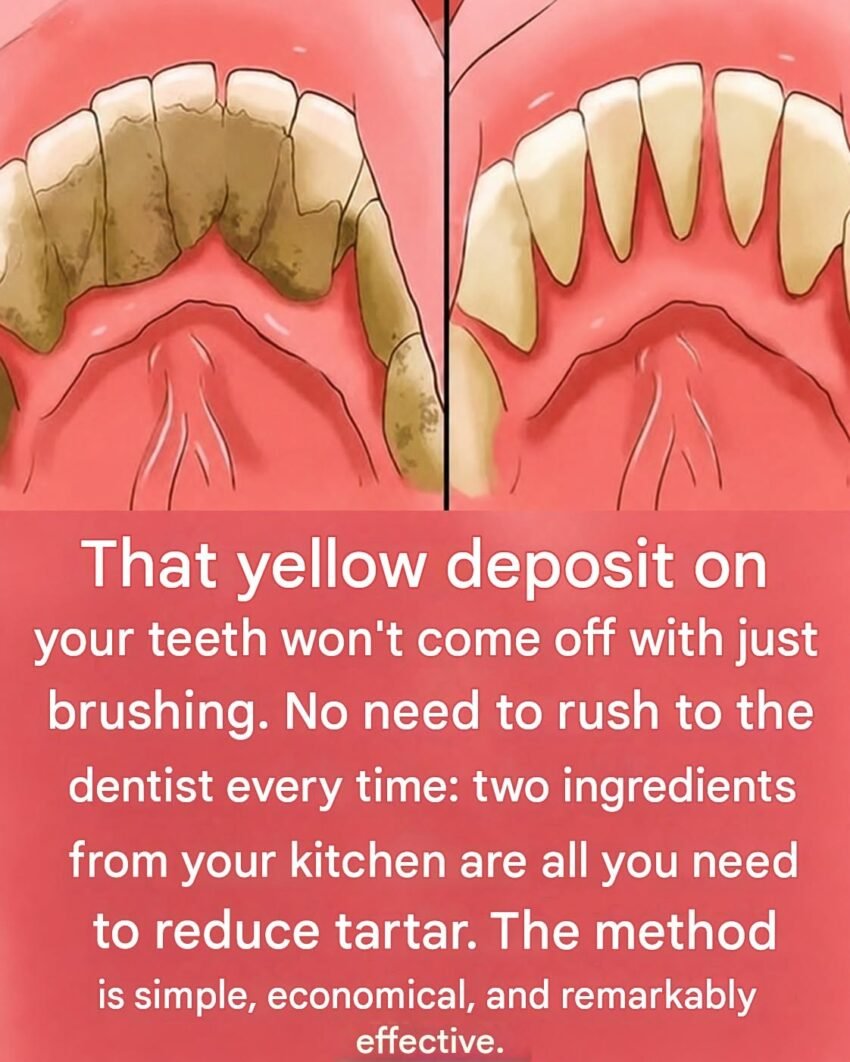
While the internet is full of DIY tricks, the hard truth about dentistry is this: You cannot safely remove hardened tartar at home.
However, you can be your own best hygienist by preventing tartar from forming in the first place and by managing the soft, sticky film (plaque) that causes it.
Here is a breakdown of what actually works, what is dangerous, and how to keep your teeth clean between dental visits.
The Critical Difference: Plaque vs. Tartar
To understand how to care for your teeth, you need to know the difference between these two substances:
-
Plaque: A soft, colorless, sticky film of bacteria that constantly forms on your teeth. You can remove this at home with proper brushing and flossing.
-
Tartar (Calculus): If plaque is left on the teeth for 24 to 72 hours, it mixes with minerals in your saliva and hardens into tartar. Tartar is like cement. It bonds to the enamel and cannot be brushed or flossed away.
The Danger of “DIY Tartar Scraping”
You may see videos online of people using metal dental picks, jewelry cleaners, or ultrasonic scalers bought from online marketplaces to chip tartar off their teeth at home. Dentists strongly warn against this for several reasons:
-
Enamel Damage: Without professional training, you cannot distinguish between tartar and your actual tooth. Scraping with metal tools can permanently scratch and gouge the enamel. Damaged enamel leads to severe tooth sensitivity and a much higher risk of cavities.
-
Gum Recession and Infection: Digging under your gum line with a sharp tool can severely cut your gums, leading to painful infections or abscesses. It can also cause your gums to recede permanently, exposing the sensitive roots of your teeth.
-
Creating a “Tartar Shelf”: If you chip off only the top of a tartar deposit but leave a rough layer underneath, you have just created a larger, rougher surface area for new bacteria and plaque to cling to. This makes the problem worse.
-
Infectious Risk: The human mouth is full of bacteria. Creating cuts in your gums with non-sterile tools can push bacteria directly into your bloodstream, which can be dangerous for your overall health.
What You CAN Do at Home (Prevention is Key)
If you want to keep your teeth clean and minimize tartar buildup, focus on mastering these hygiene habits:
1. Master Your Brushing Technique
Brushing harder does not remove more plaque; it just damages your gums and enamel.
-
Use a soft-bristled toothbrush.
-
Hold the brush at a 45-degree angle toward the gum line.
-
Use short, gentle, circular strokes.
-
Brush for a full two minutes, twice a day.
2. Use Tartar-Control Toothpaste
Look for toothpastes that contain pyrophosphates (which help stop minerals from calcifying into tartar) and fluoride (which repairs microscopic enamel damage). Some also contain triclosan, an antibiotic that helps kill plaque-causing bacteria.
3. Floss Like a Pro (Or Use a Water Flosser)
Tartar most commonly builds up on the back of the lower front teeth and the upper molars because that is where saliva ducts are, and where people miss with a toothbrush. Flossing is non-negotiable.
-
Curve the floss into a “C” shape against the side of the tooth.
-
Gently slide it up and down, going slightly below the gum line to scoop out soft plaque.
-
Tip: A water flosser (like a Waterpik) is highly effective at flushing out debris and plaque from deep gum pockets that regular string floss might miss.
4. Use an Electric Toothbrush
Studies show that oscillating-rotating electric toothbrushes remove significantly more plaque than manual brushing. They do the “scrubbing” motion for you, ensuring you don’t brush too hard.
5. Rinse with an Antiseptic Mouthwash
An alcohol-free, antibacterial mouthwash can help kill the plaque-causing bacteria that your brush and floss might have missed.
The Truth About “Natural” Tartar Removers
You will often see home remedies involving baking soda, apple cider vinegar (ACV), orange peels, or sesame seeds.
-
Baking Soda: This is a mild abrasive. While it is great for removing surface stains and neutralizing acids, it is too soft to grind away hardened tartar. It is safe to use occasionally as a paste, but it won’t solve a tartar problem.
-
Apple Cider Vinegar: Do not use this. While ACV is acidic and can soften tartar, it does so by demineralizing and dissolving your actual tooth enamel. It will leave your teeth soft, sensitive, and highly prone to cavities.
-
Oil Pulling: Swishing coconut oil can improve gum health and reduce bacteria, but there is no scientific evidence that it removes hardened tartar.
The Bottom Line
Be your own dentist by being an excellent preventive caretaker. Stick to a rigorous brushing, flossing, and rinsing routine. However, once tartar has formed, the only safe way to remove it is with a professional dental cleaning (scaling and polishing) at your dentist’s office. Most dentists recommend getting a professional cleaning every six months to remove whatever you missed before it causes gum disease.