
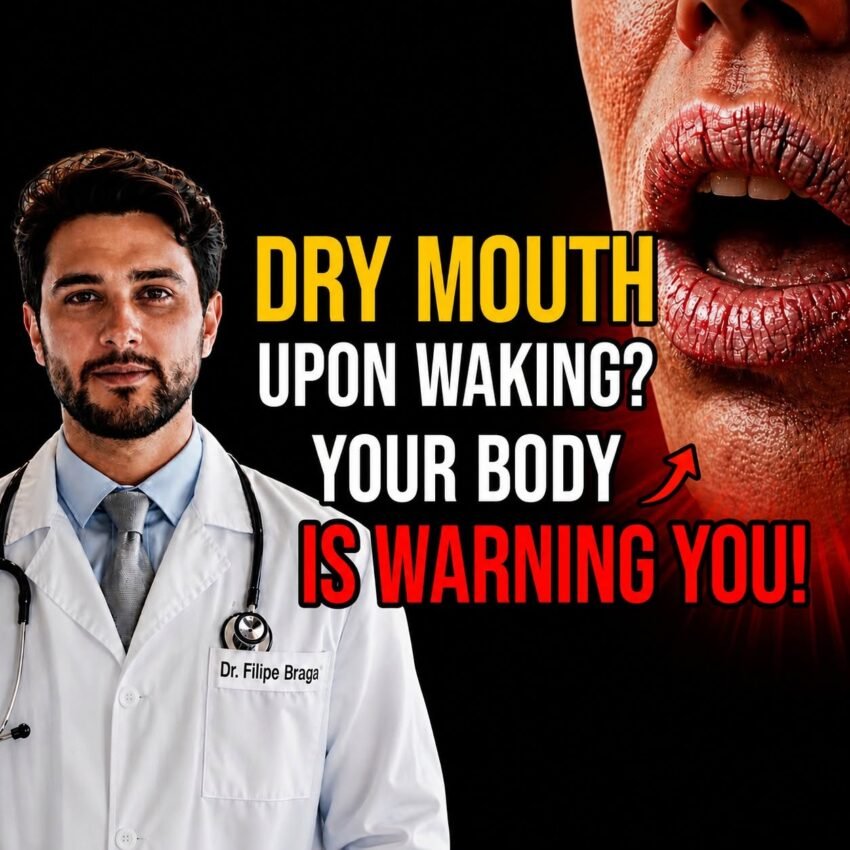
Waking up occasionally with a dry mouth (medically known as xerostomia) after a night of heavy snoring, drinking alcohol, or sleeping with your mouth open is normal. However, if you wake up every single day with a parched, sticky mouth, sore throat, and cracked lips, your body is sending you a warning signal that should not be ignored.
Saliva is not just for comfort; it is a critical component of your health. It washes away food debris, neutralizes acids produced by plaque, fights bacteria, and aids in digestion. When your body stops producing enough saliva at night, it leaves your teeth vulnerable to decay, your gums vulnerable to infection, and can point to deeper systemic health issues.
Here is what your body might be trying to tell you if you wake up with a dry mouth every day, and what you can do about it.
1. You Are Breathing Through Your Mouth (Nasal Obstruction)
The most common culprit for morning dry mouth is simply sleeping with your mouth open. But why is your mouth open? It is usually a survival mechanism because your nose is blocked.
-
The root cause: Chronic allergies, a deviated septum, nasal polyps, or chronic sinusitis force you to breathe through your mouth at night. This airflow evaporates your saliva rapidly.
-
The fix: Treat the nasal congestion. Use a saline nasal rinse or a humidifier in your bedroom. If you chronically cannot breathe through your nose, you need to see an Ear, Nose, and Throat (ENT) specialist.
2. You Are Snoring or Have Sleep Apnea
Loud snoring and Obstructive Sleep Apnea (OSA) are severe causes of nighttime dry mouth. With sleep apnea, the soft tissues in your throat collapse, blocking your airway. Your body panics, wakes you up briefly to gasp for air, and you often wake up with a severely dry mouth and a sore throat.
-
The danger: Sleep apnea is a life-threatening condition linked to high blood pressure, heart attack, stroke, and extreme daytime fatigue.
-
The fix: If your partner says you snore loudly, choke, or gasp in your sleep, ask your doctor for a sleep study. Treatment (like a CPAP machine or an oral appliance) will stop the dry mouth and could save your life.
3. Dehydration or Electrolyte Imbalance
If you are not drinking enough water during the day, or if you are losing too much fluid (through sweat, illness, or diuretics), your body will ration its fluids. Saliva production is one of the first things to be sacrificed.
-
The root cause: Not consuming enough water, or consuming too much sodium, caffeine, or alcohol—all of which are diuretics that dehydrate you.
-
The fix: Hydrate consistently throughout the day, not just before bed. If you drink a lot of water but still feel dry, you may need electrolytes (sodium, potassium, magnesium) to help your cells actually retain the water.
4. It’s a Side Effect of Your Medication
This is one of the most overlooked causes. There are over 400 medications that list “dry mouth” as a side effect.
-
The usual suspects: Antihistamines (allergy meds), decongestants, blood pressure medications (beta-blockers, ACE inhibitors), antidepressants, anti-anxiety medications, muscle relaxants, and pain medications.
-
The fix: Read the side effects of your prescriptions. If dry mouth is listed, talk to your doctor about adjusting the dose, switching to an alternative medication, or using a prescription saliva substitute.
5. An Underlying Autoimmune Disease (Sjögren’s Syndrome)
If your dry mouth is accompanied by chronically dry eyes, dry skin, joint pain, and extreme fatigue, your immune system might be attacking the glands that produce moisture in your body.
-
The root cause: Sjögren’s syndrome is a systemic autoimmune disease that primarily affects the salivary glands and tear ducts. It predominantly affects women over 40.
-
The fix: This requires a medical diagnosis. A rheumatologist can run blood tests (looking for specific antibodies) to determine if this is the cause.
6. High Blood Sugar or Undiagnosed Diabetes
Frequent urination is a hallmark of high blood sugar. When your blood sugar is too high, your kidneys work overtime to filter and flush the excess sugar out of your body through urine. This depletes your body of fluids, leading to severe dry mouth and constant thirst.
-
The danger: Untreated diabetes causes damage to blood vessels, nerves, and organs.
-
The fix: If your dry mouth is accompanied by frequent urination, blurry vision, unexplained weight loss, or chronic fatigue, get your fasting blood sugar and A1C levels checked immediately.
7. Thrush (Oral Yeast Infection)
A persistently dry mouth creates an environment where fungus can thrive. Conversely, an overgrowth of Candida (yeast) in the mouth can cause a dry, cottony feeling, a loss of taste, and white patches on the tongue or inner cheeks.
-
The fix: A doctor or dentist can prescribe an antifungal mouthwash or lozenge.
8. You Are Grinding Your Teeth (Bruxism) or Have TMJ
If you clench or grind your teeth at night, the constant muscle activity and jaw tension can alter your breathing patterns and force you to breathe through your mouth. It also changes the pressure in your oral cavity, which can restrict salivary ducts.
-
The fix: A custom-fitted night guard from your dentist can stop the grinding, relax the jaw, and often resolves the associated dry mouth.
🚨 The Danger of Ignoring Chronic Dry Mouth
If left untreated, chronic dry mouth is highly destructive to your oral health. Without the protective enzymes and minerals in saliva:
-
Rampant Cavities: You will quickly develop tooth decay, especially at the gum line.
-
Gum Disease: Bacteria thrive in a dry, acidic environment, accelerating gingivitis and periodontitis.
-
Bad Breath: Anaerobic bacteria multiply rapidly without saliva to wash them away.
-
Difficulty Eating and Speaking: Severe dryness makes swallowing painful and alters your voice.
🌿 Immediate Steps to Relieve Morning Dry Mouth
While you work with a doctor to find the root cause, you can protect your mouth right now:
-
Use a Humidifier: Run a cool-mist humidifier in your bedroom at night to add moisture to the air.
-
Chew Sugar-Free Gum: Chewing gum with Xylitol during the day stimulates saliva flow and actively fights cavities.
-
Switch Mouthwashes: Avoid mouthwashes containing alcohol (like standard Listerine), as they dry the mouth out further. Look for “Biotène” or other moisturizing mouth rinses designed for dry mouth.
-
Try Xylitol Melts or Lozenges: Placing a slow-dissolving Xylitol lozenge or adhering a Xylitol disc to your gum before bed can stimulate saliva production while you sleep.
-
Petroleum Jelly: Applying a thin layer of unscented lip balm or petroleum jelly to your lips and the corners of your mouth before bed prevents cracking.
The Bottom Line: A dry mouth every morning is not just an annoyance; it is a red flag. Don’t just drown it in coffee or water every morning—trace it back to the source. Your mouth, teeth, and heart will thank you.