
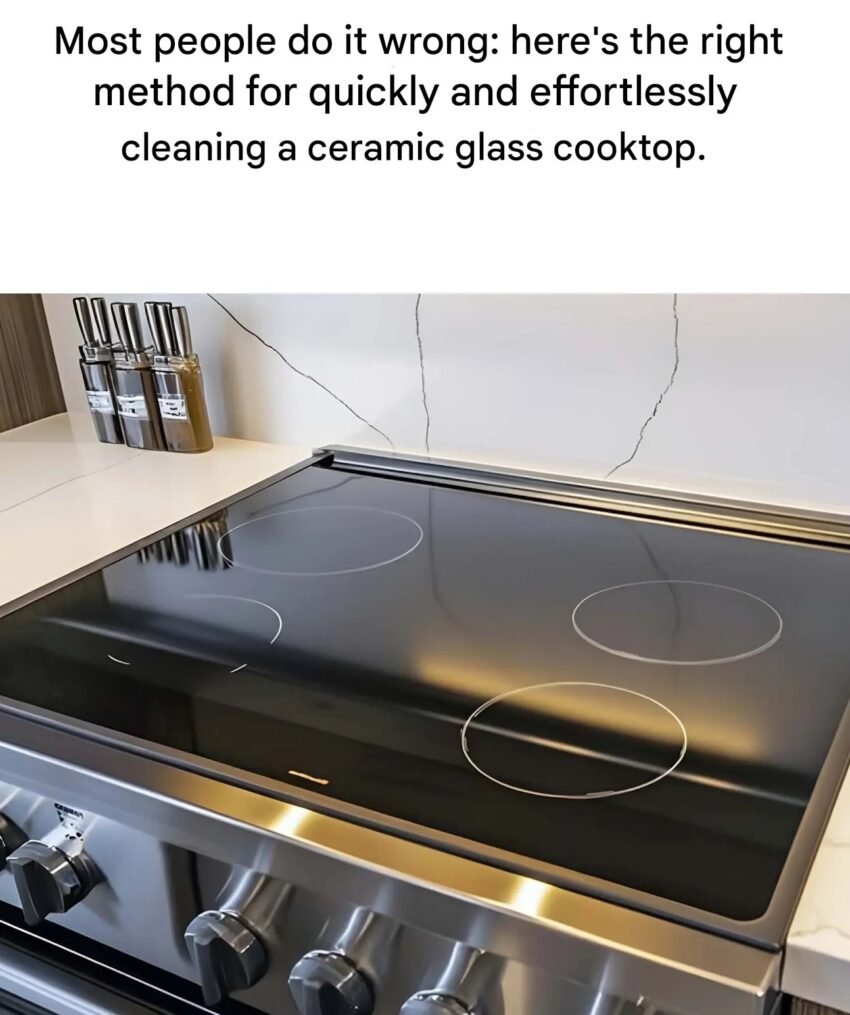
Cleaning a ceramic glass cooktop requires a delicate balance of using effective cleaners while protecting the sensitive surface from scratches. Here is a proven, step-by-step method used by professionals.
The Golden Rule: NEVER USE
-
Abrasive scrubs (e.g., baking soda pastes, powdered cleansers, steel wool)
-
Scouring pads (green/blue Scotch-Brite type pads)
-
Razor blades (except as a last-resort specialized tool, see below)
-
Harsh chemicals like oven cleaner or bleach-based sprays
Effective Cleaning Method: The Daily/Weekly Routine
What You’ll Need:
-
Ceramic Cooktop Cleaner (e.g., Weiman, Cerama Bryte) – The #1 recommended product. It contains fine polishing agents and is formulated for the surface.
-
A single-edge razor blade holder (for stubborn, baked-on debris only)
-
Soft, non-abrasive cloths or paper towels (microfiber is ideal)
-
White vinegar (for hard water spots and grease)
-
A plastic scraper or credit card edge (for fresh spills)
Step-by-Step Process:
1. Cool Down & Dry Scrape:
-
Ensure the cooktop is completely cool.
-
For fresh, hardened spills (like sugar or melted plastic), gently use the edge of a plastic scraper or a credit card to lift off the bulk of the residue. Apply minimal pressure.
2. Apply Specialty Cleaner (The Best Method):
-
Spray or apply a generous amount of ceramic cooktop cleaner directly onto the surface.
-
Let it sit for the time specified on the bottle (usually 1-2 minutes) to soften burnt-on residues.
-
Using a soft cloth, gently buff in a circular motion. The cleaner will turn into a slight paste as it lifts the grime.
-
Wipe clean with a fresh, damp cloth. Follow with a dry microfiber cloth to polish and prevent streaks.
3. For Stubborn, Baked-On Stains (The Razor Blade Technique – Use with CAUTION):
-
This is for glass surfaces only, not for porous surfaces.
-
Condition: The cooktop must be clean, wet, and lubricated with the cooktop cleaner or a layer of soapy water.
-
Tool: Use a single-edge razor blade in a dedicated holder (this keeps the blade at a safe, shallow angle).
-
Action: Hold the blade at a 30-degree angle or less and gently glide it over the spot. Never dig or scrape vertically. The lubricant prevents scratching.
-
Wipe clean and reapply cleaner to polish.
Alternative/Vinegar Method for Light Cleaning & Shine
For grease and hard water spots:
-
Spray undiluted white vinegar on the surface.
-
Wipe with a damp microfiber cloth to cut grease.
-
Immediately dry and polish with a second clean, dry microfiber cloth to avoid water spots.
Pro-Tip Prevention & Maintenance
-
Clean Spills Immediately: Especially sugar, which can permanently etch the glass if burned on.
-
Use the Right Cookware:
-
Flat-bottomed pans only. Curved bottoms concentrate heat and cause scratches.
-
Smooth finishes. Avoid cast iron, stoneware, or glass cookware with rough bottoms. If you must use cast iron, ensure the bottom is perfectly smooth and clean it meticulously.
-
Lift, Don’t Slide: Always lift pots and pans to move them.
-
-
Use a Protective Cooktop Mat/Screen: For times when you’re using risky cookware or cooking messy foods.
-
Weekly Cleaning: Don’t let grime build up. A quick wipe-down after each use and a thorough clean weekly makes it easy.
What to Do About Existing Scratches?
-
Fine, superficial scratches (you can feel them with a fingernail but not see a clear line) can often be minimized with a polishing compound found in high-quality cooktop cleaners.
-
Deep, visible scratches are permanent. The goal is to keep them clean and prevent new ones.
Final Verdict: Invest in a quality ceramic cooktop cleaner and soft cloths. This combination, used with the gentle techniques above, will keep your cooktop looking like new for years without causing damage. The razor blade is a useful tool for specific, tough problems but is not for routine cleaning.