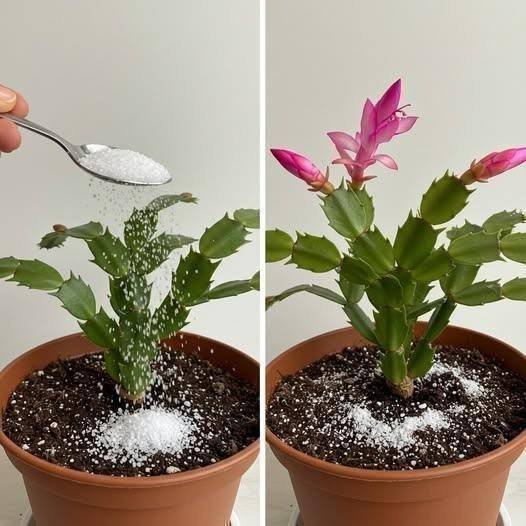
Fall Awakening: Breathing Life into Houseplants with “The Little Secret”
As daylight wanes and indoor heating kicks in, our houseplants often enter a quiet crisis. The “little secret” to reviving them isn’t a single magic potion, but a shift in your care routine aligned with the season’s changes. Think of it as putting their well-being first with a few mindful adjustments.
Here’s your practical guide to a true Fall Awakening for your indoor garden.
The Core “Secret”: It’s All About the Roots & Rhythm
Fall and winter are seasons of rest and root growth for most plants. Above-ground growth slows, but the plant is focusing energy below the soil. Your care should support this.
The 4-Point Fall Revival Plan
1. Water Wisely – The Biggest Shift
-
The Secret: Water less, but water thoroughly. Overwatering is the #1 killer in fall/winter.
-
How-To: Let the top 1-2 inches of soil dry out completely before watering. When you do water, pour slowly until it runs freely from the drainage holes. This encourages deep root growth. Empty the saucer after 30 minutes.
-
Tip: Use room-temperature water to avoid shocking the roots.
2. Let There Be (The Right) Light
-
The Secret: Maximize available sunlight. The sun’s path is lower and less intense.
-
How-To: Clean your windows inside and out. Rotate plants a quarter-turn weekly so all sides get light. Consider moving plants closer to east or south-facing windows. For leggy growth, a simple grow light for a few morning hours can work wonders.
3. Hold the Fertilizer (With One Exception)
-
The Secret: Most plants are dormant. Feeding them now can burn roots and cause weak, spindly growth.
-
How-To: Stop fertilizing from late October until early March. The one exception is winter-blooming plants (like African Violets, Orchids), which need a half-strength balanced fertilizer.
4. Humidity is Your Hidden Weapon
-
The Secret: Heated air is desert-dry. Most houseplants crave humidity (40-60%), while our homes drop to 10-20% in winter.
-
The “Little Secret” Trick: Create a humidity tray. Fill a shallow tray with pebbles and water. Place your plant pot on top (ensuring it’s not sitting in the water). As the water evaporates, it creates a perfect microclimate.
-
Alternatives: Group plants together, run a humidifier nearby, or give foliage a gentle morning mist (best for smooth leaves, not fuzzy ones like African Violets).
The “Little Secret” Bonus: The Cinnamon Trick
This is a wonderful, natural hack:
-
For Root Health: After repotting (best done in early fall), sprinkle a little ground cinnamon on the fresh soil surface. It’s a mild natural antifungal that helps prevent damping-off disease and deters fungus gnats.
-
For Stem Cuttings: Dip the cut end of a propagation stem in cinnamon before placing it in water or soil. It acts as a rooting hormone and protects the wound.
Quick Checklist for Common Fall Issues
-
Yellowing Leaves: Likely overwatering. Check soil moisture before your next drink.
-
Brown, Crispy Leaf Tips: Low humidity. Employ the humidity tray.
-
Dropping Leaves: Could be a draft (keep away from doors/heat vents) or a drastic light change.
-
No New Growth: This is normal! The plant is resting.
What to Do Right Now:
-
Inspect: Check each plant for pests, yellow leaves, and soggy soil.
-
Clean: Wipe dusty leaves with a damp cloth so they can breathe and absorb light.
-
Relocate: Shift plants to their optimal winter light location.
-
Schedule: Mark your calendar to check water every 10-14 days, not on a strict weekly schedule.
The true “secret” is mindful observation. Your plants will tell you what they need. By adjusting your care to match their natural seasonal rhythm, you’re not just keeping them alive—you’re allowing them to thrive through the quiet months, ready to burst forth when spring returns.
Happy fall growing! 🌿