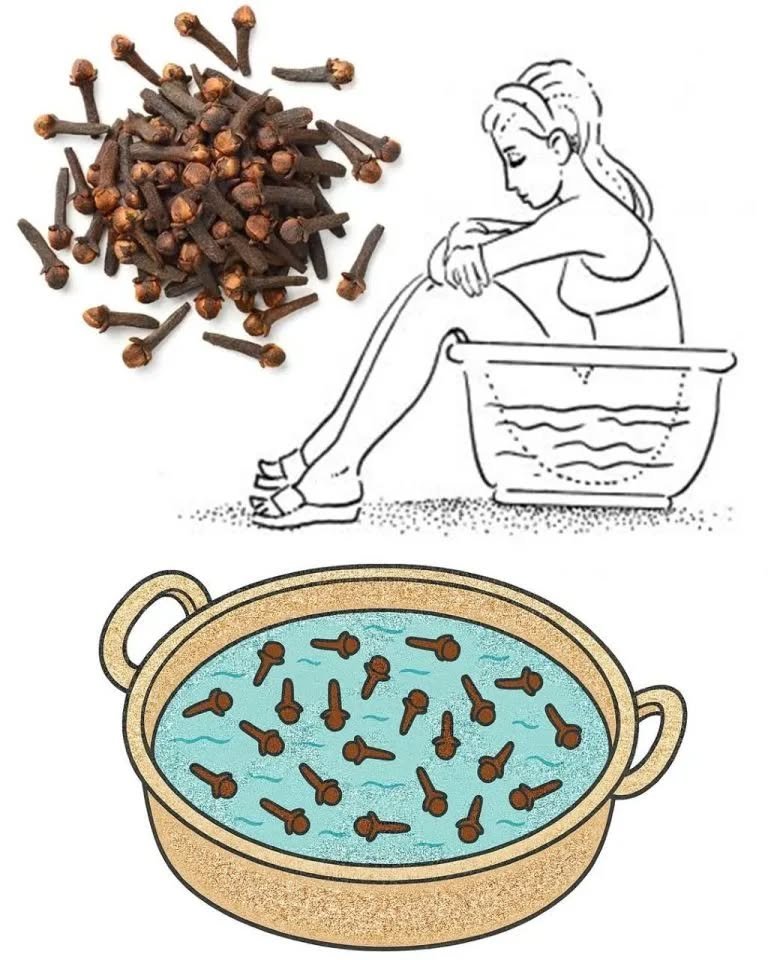
Throughout history, women have turned to the garden—and the kitchen spice rack—for remedies that honor the body’s innate wisdom. Clove water sitz baths are a beautiful example of this tradition; they are not a medical intervention, but a gentle, supportive practice for perineal comfort and external hygiene.
If you are healing postpartum, managing vulvar discomfort, or simply seeking a soothing alternative to chemical washes, this guide will walk you through the practice with the reverence it deserves.
Why Clove? The Logic of the Spice
Clove (Syzygium aromaticum) is best known for numbing toothaches. This is due to eugenol, a natural compound with mild anesthetic and antiseptic properties.
In the context of a sitz bath, clove is not a cure-all. It does not treat infections. However, its gentle warming and numbing qualities can provide temporary relief from:
-
Itching and general vulvar irritation.
-
Discomfort from hemorrhoids or episiotomy stitches.
-
Sensitivity caused by friction or yeast imbalance (as a comfort measure, not a treatment).
Important Note: Clove is potent. Undiluted clove oil burns mucous membranes. This guide uses simmered whole cloves, not essential oils, to create an extremely mild infusion safe for external bathing.
The Ritual: Preparing a Clove Sitz Bath
What You Need
-
Whole cloves: 2 tablespoons (Do not use clove powder; it is too gritty and intense).
-
Water: 4 cups (filtered is kindest, but tap is fine).
-
A sitz basin (fits over your toilet seat) OR a clean, shallow tub.
-
Cheesecloth or a fine-mesh strainer.
Step 1: The Infusion (Do Not Rush This)
Do not simply sprinkle cloves into cold water. You must gently coax the medicine out.
-
Bring 4 cups of water to a bare simmer—small bubbles, no rolling boil.
-
Add the whole cloves, cover the pot, and turn off the heat.
-
Steep for 20–30 minutes. The water will turn a deep brown and smell warmly aromatic. This slow steep extracts the eugenol without making the water acidic or burning.
Step 2: Straining (Non-Negotiable)
Whole cloves are hard and have sharp edges. Strain the water meticulously through cheesecloth or a very fine sieve into your sitz bath basin. You do not want a clove stem touching sensitive skin.
Step 3: The Tepid Fill
Fill the rest of your sitz basin with lukewarm water, then pour the concentrated clove infusion in.
-
Temperature check: It should feel neutral to your wrist—never hot. Heat increases blood flow to the area, which can actually worsen swelling or irritation. Clove provides a cooling sensation; warm water negates this.
Step 4: Immersion & Time
Sit comfortably for 10 to 15 minutes. Any longer and you risk over-drying the skin. Use this time to breathe deeply. This is not a clinical procedure; it is a moment of care.
Step 5: The Pat-Dry
Do not rub. Do not reach for a hairdryer on a cool setting (this blasts bacteria). Take a soft, clean cotton cloth or paper towel and gently press it against the skin to absorb moisture.
When Not to Use Clove
Because clove is a mild anesthetic, it can mask pain. Do not use this bath if:
-
You have an open, deep, or actively bleeding wound.
-
You suspect a serious infection (green discharge, fever, foul odor). Clove will not fix this, and delaying antibiotics is dangerous.
-
You have just had a major surgical repair (ask your midwife or doctor first; often, plain water is all that is recommended initially).
A Note on Scent & Sensitivity
The smell of clove is strong. While many find it grounding and warming, others find it triggering (it is often associated with dental work). If the scent causes you tension or headache, skip this remedy. Your body should relax into the bath; if the smell makes you clench, it is not the right herb for you today.
The Philosophy of “Less is More”
In an era of medicated wipes and fragranced sprays, the clove sitz bath is a return to simplicity. It does not promise to “fix” you. Instead, it offers a pause—a warm, gentle moment that whispers: You don’t need to be perfumed to be clean. You don’t need to be numb to be soothed.
Use this remedy occasionally, not daily. And always listen to your skin. If it stings or feels dry afterward, honor that signal, and return to plain water next time.