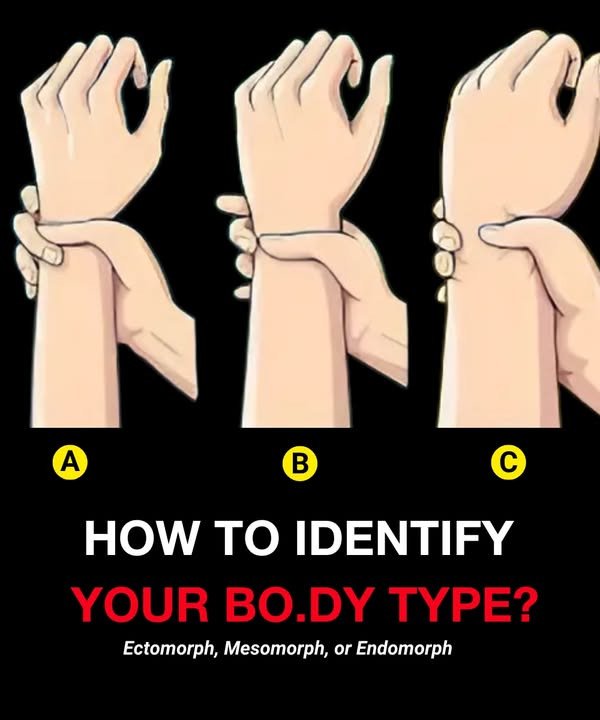
The three somatotypes (ectomorph, mesomorph, endomorph) were developed in the 1940s by psychologist William Sheldon. He believed body shape predicted temperament and intelligence — ideas that have been thoroughly debunked and are considered pseudoscience.
However, the terminology has survived in fitness and nutrition circles as a shorthand to describe how people tend to gain muscle, store fat, and respond to diet/exercise. It’s not rigid biology, but many find it useful for training insights.
Here’s how they’re commonly described, what works for each, and the important caveats.
🧬 The 3 Somatotypes (Popular Version)
1. Ectomorph – “Hardgainer”
Typical traits:
-
Narrow shoulders/hips
-
Lean, long limbs
-
Fast metabolism
-
Difficulty gaining weight or muscle
Fitness approach:
-
Focus on heavy compound lifts (squats, deadlifts)
-
Lower reps, longer rest
-
Calorie surplus essential
-
More carbs, don’t fear fat gain
Struggles:
-
Hard to bulk up
-
Can look “skinny fat” if untrained
2. Mesomorph – “Athletic”
Typical traits:
-
Broad shoulders, narrow waist
-
Naturally muscular
-
Gains muscle easily, loses fat fairly easily
Fitness approach:
-
Responds well to mixed training (strength + hypertrophy)
-
Can handle moderate volume
-
Balanced macros work well
Struggles:
-
Can gain fat if overeating, but loses it faster than endomorphs
-
May plateau if training is too random
3. Endomorph – “Solid / Softer build”
Typical traits:
-
Shorter limbs, wider hips/ribcage
-
Stores fat easily
-
Gains muscle fairly well, but fat too
Fitness approach:
-
Watch carbs, prioritize protein + fiber
-
Mix strength training with conditioning / cardio
-
May need slight calorie deficit to lean out
Struggles:
-
Losing body fat takes more consistency
-
Prone to feeling “bulky” even when muscular
⚠️ Important Reality Check
-
Most people are combinations — e.g., ecto-meso, endo-meso.
-
Body type changes with diet, training, age. A skinny ecto can build a meso-like physique; an endo can get lean.
-
Genetics matter for insertions, bone structure, limb length — but “somatotype” is not a scientific diagnosis.
-
It’s not an excuse: “I’m an endomorph” shouldn’t mean “I can’t get lean.”
🔍 How to assess honestly
You can roughly gauge by:
-
Bone structure (wrist circumference, shoulder width, hip width)
-
Natural tendency (did you gain muscle easily as a teen? stay skinny without trying?)
-
Metabolic pattern (how quickly do you gain/lose fat relative to food intake?)
But the most useful approach:
Train and eat for your goal, not your label.
Track your response and adjust — that’s better than rigidly boxing yourself.