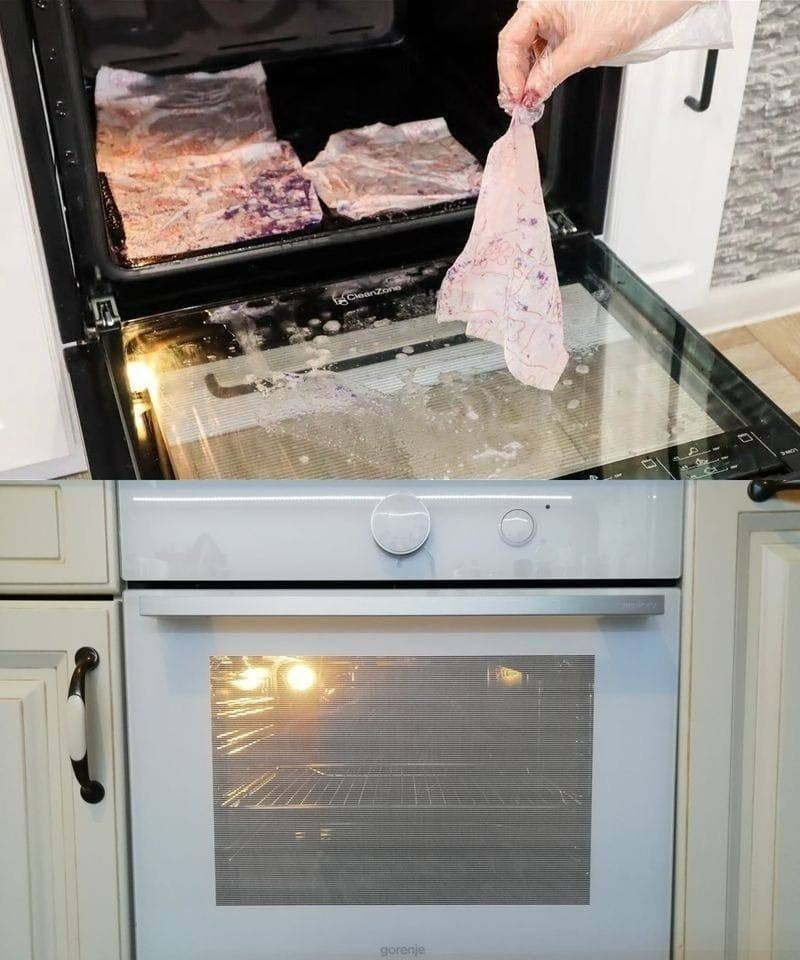
Cleaning the oven is often considered the worst kitchen chore, but you can completely transform it from a scrubbing nightmare into a simple, fume-free process. Forget the harsh chemical sprays and the self-cleaning cycle that smells like burning plastic.
Here is a simple, natural method using the power of steam and baking soda to get a sparkling clean oven with almost no elbow grease.
The Game-Changing Method: The “Overnight Soak” with Baking Soda
This method uses a paste to break down baked-on grease overnight, followed by steam to loosen the final residue.
What You’ll Need:
-
Baking Soda (a full box)
-
White Vinegar
-
Dish soap (a squirt)
-
A spray bottle filled with water
-
A soft sponge or microfiber cloth (avoid steel wool)
-
A rubber spatula (optional, for scraping)
Step 1: The “Oven-Safe” Check (Crucial First Step)
Before you start, check your oven manual.
-
If you have a self-cleaning oven: You can use this method, but avoid getting the paste on the heating elements (the coils at the top and bottom) as it can damage them.
-
If you have an older oven: This method is generally safe, but avoid getting water in the gas inlet if you have a gas oven.
Step 2: Remove the Racks and Debris
-
Take out the oven racks and set them aside to clean separately.
-
Use a dry paper towel or a vacuum cleaner to sweep out any loose crumbs, burnt food, and debris from the bottom of the oven.
Step 3: Make the Miracle Paste
In a small bowl, mix 1/2 cup of baking soda with 2–3 tablespoons of water. You want a spreadable paste consistency—similar to latex paint or frosting. If it’s too dry, add water a teaspoon at a time.
Step 4: Apply the Paste
-
Put on rubber gloves.
-
Dip an old dishcloth or your fingers into the paste.
-
Spread the paste all over the interior surfaces of the oven, avoiding the heating elements.
-
Pro Tip: Pay extra attention to the door glass and the corners where grease builds up. Don’t worry about covering every inch perfectly; just focus on the greasy areas.
-
Let it sit overnight (or for at least 12 hours). The baking soda will work chemically to break down the carbonized grease.
Step 5: The “Steam” Loosening Trick (Morning After)
-
The next day, fill a spray bottle with white vinegar.
-
Spray the vinegar over the dried baking soda paste. It will fizz and bubble. This chemical reaction helps lift the grime.
-
Optional Extra Boost: Boil a kettle of water. Place an oven-safe bowl filled with boiling water inside the oven and close the door for 20 minutes. The steam will soften any stubborn residue.
Step 6: Wipe Away the Grime
-
Using a damp microfiber cloth or a soft sponge, simply wipe away the paste and the loosened grease. It should come off surprisingly easily.
-
For stubborn spots, use the damp cloth to scrub gently. The baking soda acts as a gentle abrasive.
-
Rinse your cloth frequently in clean water.
Step 7: The Final Rinse
Baking soda leaves a white, chalky residue. To remove this:
-
Dampen a clean cloth with plain water and wipe down all surfaces.
-
Do a “vinegar rinse”: Spray a little white vinegar on the surfaces and wipe again. This neutralizes any remaining baking soda and adds shine.
Bonus: How to Clean the Glass Oven Door
For that crystal-clear window:
-
The Goo Gone Wonder: Mix a small amount of liquid dish soap with baking soda to form a paste. Spread it on the glass, let it sit for 15-20 minutes, then scrub with a non-scratch sponge. Rinse with vinegar-water for a streak-free shine.
How to Clean the Oven Racks (The Easy Way)
Don’t scrub these by hand! Use the Trash Bag Method:
-
Place your oven racks in a large, heavy-duty trash bag.
-
Pour in 1/4 cup of ammonia (or 1 cup of automatic dishwasher detergent) into the bag.
-
Tie the bag shut and let it sit outside or in a well-ventilated area (like a garage) overnight.
-
Next day: Take the racks out, rinse them with the garden hose or in the shower. The grime will slide right off.
Why This Method is a “Transformation”
-
No Harsh Fumes: You aren’t inhaling chemical cleaners while scrubbing.
-
No Scrubbing: The chemistry (baking soda + vinegar) and the physics (steam) do the work for you.
-
Cost Effective: You probably already have baking soda and vinegar in your pantry.