
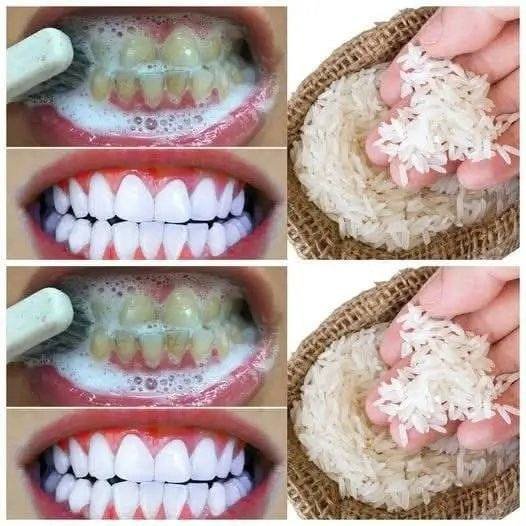
Natural Teeth Whitening Methods: What Works and What’s Safe
While natural methods are generally milder than professional treatments, they work slowly and are best for maintaining or slightly brightening teeth — not dramatic whitening. Here are the safest, evidence-backed approaches.
✅ Safe & Moderately Effective Methods
1. Oil Pulling (with Coconut Oil)
-
How: Swish 1–2 tsp of coconut oil in your mouth for 10–20 minutes, then spit out (not in the sink — it can clog pipes).
-
Why it helps: May reduce plaque and bacteria, leading to a cleaner appearance. Does not change tooth color chemically but can remove surface stains over time.
-
Frequency: A few times per week.
2. Baking Soda (Sodium Bicarbonate)
-
How: Mix a pinch with water to make a paste. Brush gently, no more than 1–2 times a week.
-
Why it helps: Mild abrasive that can scrub away surface stains. Also has antimicrobial properties.
-
⚠️ Caution: Don’t scrub hard or use daily — it can wear enamel.
3. Strawberries + Baking Soda (Occasional Use)
-
How: Mash 1–2 strawberries, mix with a pinch of baking soda, apply to teeth, leave for 2–5 minutes, then rinse well.
-
Why it helps: Malic acid in strawberries may help break down surface stains, and baking soda provides gentle abrasion.
-
⚠️ Important: Rinse thoroughly — the acid can soften enamel. Use only once a month at most.
4. Eating Crunchy Fruits & Vegetables
-
How: Apples, celery, carrots, and cauliflower act like natural scrubbers when chewed.
-
Why it helps: Gentle mechanical cleaning of the tooth surface during chewing.
5. Using a Straw
-
How: Drink staining beverages (coffee, tea, soda, red wine) through a straw.
-
Why it helps: Minimizes contact between liquids and visible front teeth.
❌ Natural Methods to AVOID (Harmful)
| Method | Risk |
|---|---|
| Lemon / Lime Juice | High acidity erodes enamel — can cause permanent damage and sensitivity. |
| Apple Cider Vinegar | Similarly acidic — weakens enamel, leading to yellowing (dentine shows through). |
| Activated Charcoal | Highly abrasive — scratches enamel, making teeth more prone to staining long-term. |
| Hydrogen Peroxide (undiluted) | Can burn gums, irritate soft tissues, and damage enamel if concentration is wrong. |
🌿 Best Practices for a Naturally Whiter Smile
-
Brush & Floss Regularly
-
Plaque buildup makes teeth look yellower.
-
-
Rinse with Water after consuming dark foods/drinks.
-
Eat a Tooth-Friendly Diet
-
Dairy (calcium), nuts, leafy greens, and crunchy produce help strengthen enamel.
-
-
Stop Smoking & Chewing Tobacco
-
Major cause of stubborn stains.
-
-
Visit Your Dentist Regularly
-
Professional cleanings remove tartar and surface stains effectively.
-
⏳ Realistic Expectations
-
Natural methods work gradually — if at all.
-
They mainly affect surface stains (extrinsic discoloration), not deep (intrinsic) stains.
-
Genetics, age, medication, and enamel thickness all influence tooth color.
-
For significant whitening, dentist-supervised treatments are still the gold standard.
🩺 When to See a Dentist
-
If you have sensitivity, cavities, or gum issues.
-
Before trying any home method if you have restorations (crowns/veneers — these won’t whiten).
-
If stains persist despite good oral care — could be a sign of other issues.
Final Thought: Whiter teeth are not always healthier teeth. Prioritize enamel protection over aggressive whitening. A bright, natural smile starts with consistent, gentle care. 😊