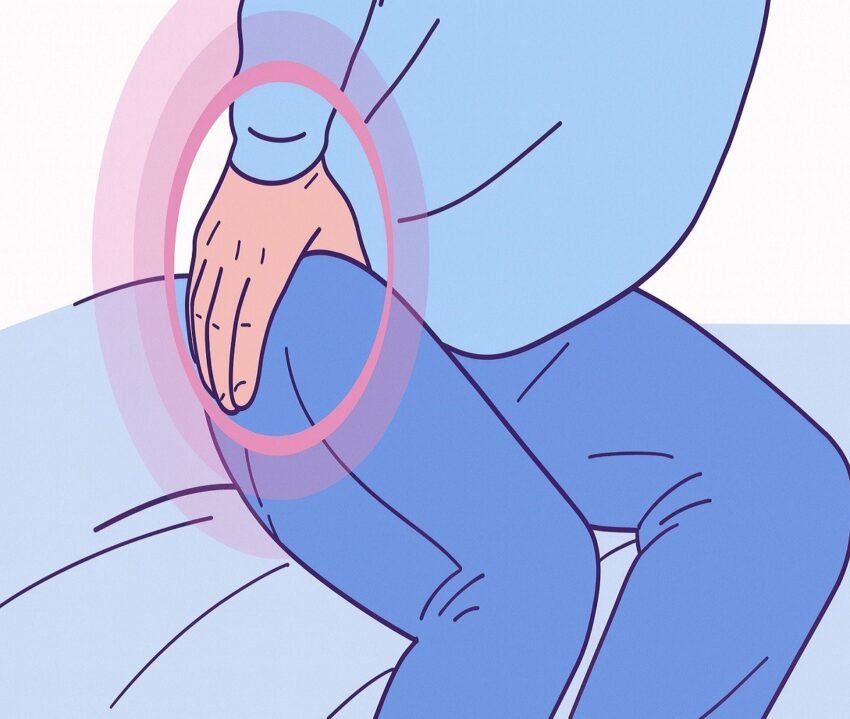
Hip pain is incredibly common and can be frustrating because it can feel like it’s coming from one place but actually originate from another. The hip is a complex ball-and-socket joint surrounded by muscles, tendons, ligaments, and bursae (fluid-filled sacs), and pain can radiate from the lower back as well.
Here is a breakdown of what hip pain might mean, categorized by location, type of pain, and potential causes.
First, Identify Where It Hurts
Hip pain is rarely just “in the hip joint” itself. Telling your doctor exactly where it hurts is the first step to diagnosis.
1. Pain in the Groin or Inside of the Hip
This is usually the sign of a problem within the hip joint itself.
-
Osteoarthritis: A dull, aching pain in the groin that gets worse with activity and stiffens up after sitting. You might feel it when putting on socks or shoes.
-
Labral Tear: A sharp, catching sensation deep in the joint, often accompanied by a feeling of the hip “locking” or giving way.
-
Femoroacetabular Impingement (FAI): A pinching sensation in the front of the hip, common in active adults.
-
Avascular Necrosis: Pain in the groin that comes on suddenly, caused by a loss of blood supply to the bone.
2. Pain on the Outside of the Hip, Near the Bony Prominence
This is usually a problem with the soft tissues (muscles, tendons, bursa) rather than the joint itself.
-
Trochanteric Bursitis: An intense, burning pain on the outside of the hip that can make it impossible to sleep on that side. It often hurts more when climbing stairs or standing up from a low chair.
-
Tendonitis: Inflammation of the gluteal tendons, causing pain when pushing off to walk or run.
3. Pain in the Back of the Hip (Buttock Area)
This is often referred pain from the lower back.
-
Sciatica / Piriformis Syndrome: A deep ache or electric shock sensation in the buttock that may shoot down the back of the leg. This is usually caused by a pinched nerve in the spine or the piriformis muscle irritating the sciatic nerve.
-
Sacroiliac (SI) Joint Dysfunction: Pain focused just below the belt line, on one side of the lower back/buttock. It can feel sharp with certain movements.
4. Pain Radiating Down the Thigh to the Knee
This is a classic sign of hip pathology. The hip joint shares nerves with the knee, so the brain can get confused about where the pain is coming from.
-
If you have knee pain but your knee seems fine, check your hip.
What Does the Type of Pain Mean?
-
Sharp, Shooting Pain: Often nerve-related (sciatica) or a tear (labral tear).
-
Dull, Aching Pain: Usually arthritis or bursitis.
-
Burning Pain: Typically bursitis or nerve irritation.
-
Stiffness: Often arthritis or tendinopathy.
-
Clicking, Catching, or Locking: Could be a labral tear, snapping hip syndrome, or loose bodies in the joint.
Common Specific Causes (Beyond Location)
1. Arthritis
-
Who it affects: Adults over 50, but can occur earlier.
-
Feels like: Gradual onset of stiffness and aching in the groin or front of thigh. Worse in the morning or after sitting, and improves with movement (but hurts again after overdoing it).
2. Bursitis (Trochanteric Bursitis)
-
Who it affects: Middle-aged or older women most commonly, runners, or people who have had a fall on the hip.
-
Feels like: Sharp pain on the outside of the hip that is very tender to the touch. Hurts to lie on that side.
3. Muscle Strain
-
Who it affects: Athletes, or anyone who overdid it in the garden or gym.
-
Feels like: Sudden pain after activity. Tenderness when pressing on the muscle.
4. Hip Fracture (Stress or Complete)
-
Who it affects: Older adults with osteoporosis, or young athletes with stress fractures from overuse.
-
Feels like: Inability to bear weight, severe pain in the groin or upper thigh. This requires immediate medical attention.
5. Snapping Hip Syndrome
-
Who it affects: Dancers, athletes, young adults.
-
Feels like: A noticeable snapping sensation or audible pop when walking or getting up. It may or may not be painful.
When to See a Doctor Immediately (Red Flags)
While most hip pain is mechanical and treatable with rest and physical therapy, you should seek medical attention if:
-
Sudden Trauma: You had a fall or injury and cannot bear weight.
-
Deformity: The leg looks misshapen or twisted.
-
Fever: Hip pain accompanied by fever could indicate a septic joint (infection).
-
Inability to Move: You cannot lift your leg or turn it inward/outward.
-
Night Pain: Pain that wakes you up consistently (different from position-related bursitis pain).
-
Bruising or Warmth: The area is hot to the touch or significantly bruised.
What Can You Do at Home?
For general, mild hip pain (mechanical pain):
-
RICE (Rest, Ice, Compression, Elevation): For acute flare-ups.
-
Gentle Stretching: Pigeon pose (for the piriformis) and standing quad stretches can help.
-
Strengthen: Weak glutes are a major cause of hip pain. Clamshells, bridges, and side-lying leg lifts can help stabilize the joint.
-
Check Your Shoes: Worn-out shoes can change your gait and put stress on your hips.
-
Sleep Position: If you sleep on your side, place a pillow between your knees to keep the top hip aligned.
Disclaimer: I am an AI, not a doctor. This information is for educational purposes and should not replace professional medical advice. If you have persistent or severe hip pain, please consult a healthcare provider for a proper diagnosis.