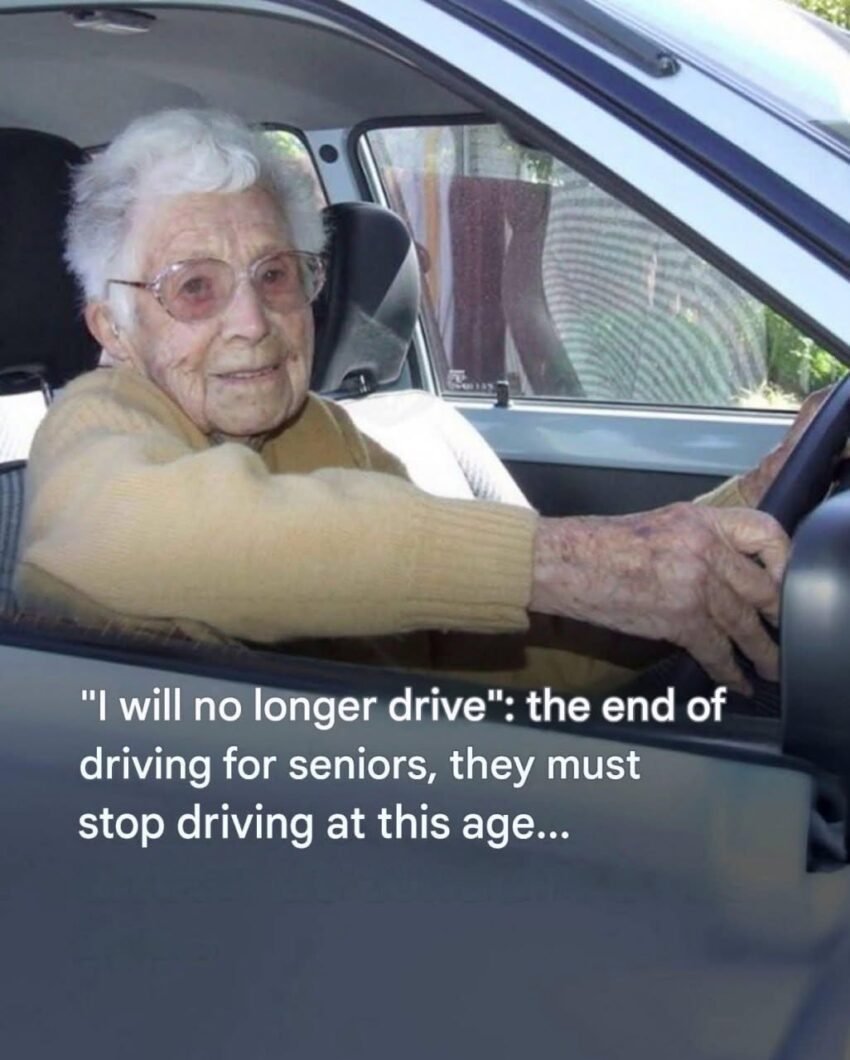
To give you the most accurate information, I’ll outline the general principles that are common in many jurisdictions, and then I can provide a detailed breakdown for a specific region if you tell me where you are.
General Principles for Senior Drivers
Most licensing systems focus less on a specific age and more on functional ability, but here are common patterns once a driver reaches 65–80:
-
Shortened renewal cycles: Instead of a 10-year licence, renewals might be required every 1–5 years.
-
Medical self-assessment or doctor’s report: You must declare conditions like epilepsy, diabetes, dementia, heart conditions, or vision problems.
-
Vision testing: Regular eye exams to ensure you meet the minimum acuity and peripheral vision standards.
-
In-person renewal: Mail or online renewal is often restricted to require a new photo signature and vision check.
-
Practical driving assessment: In some places, an on-road test may be triggered by a medical report, police referral, or a family member’s concern.
How I Can Help You
If you tell me your country and, if relevant, state/province, I can build a complete guide for you that covers:
-
The exact age when obligations change
-
Required forms and medical certificates
-
What the aptitude test involves (written, vision, simulator, or road test)
-
How to voluntarily surrender a licence
-
Alternative transport options and appeals processes if a licence is restricted
Which region’s rules would you like me to cover?