
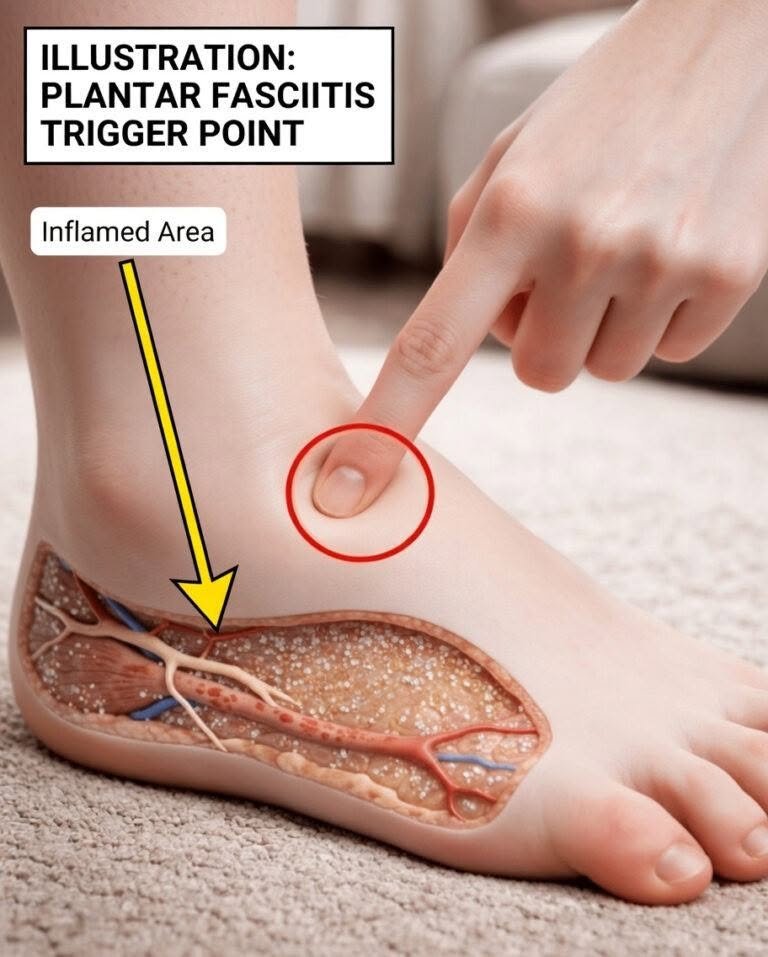
Swollen legs (peripheral edema) can be a sign of something as minor as sitting too long — or as serious as heart, kidney, or liver disease. Here’s what swelling in the legs may reveal about your health.
Common, Less Serious Causes
-
Prolonged sitting or standing – Blood and fluid pool in the lower legs, especially on long flights or car rides.
-
Pregnancy – Increased blood volume and pressure from the uterus can cause swelling, often in the third trimester.
-
Minor injury or strain – Sprains, muscle tears, or insect bites cause localized swelling.
-
Medications – Some blood pressure drugs (calcium channel blockers), steroids, antidepressants, and diabetes medications can cause fluid retention.
-
High salt intake – Excess sodium makes the body hold onto water.
-
Heat and humidity – Blood vessels dilate, leading to temporary swelling.
When Swelling Signals a Health Problem
1. Heart Failure
When the heart can’t pump efficiently, blood backs up and fluid leaks into the tissues. Signs include:
-
Swelling in both legs, often worse in the evening
-
Shortness of breath, especially when lying flat
-
Fatigue, rapid weight gain
2. Kidney Disease
Kidneys regulate fluid balance. When they fail, fluid builds up. Clues:
-
Swelling in legs and around the eyes (especially in the morning)
-
Foamy or dark urine
-
Reduced urination
3. Liver Disease
Scarring (cirrhosis) raises pressure in the portal vein, causing fluid to accumulate. Look for:
-
Swelling in the legs and abdomen (ascites)
-
Yellowing of skin/eyes (jaundice)
-
Easy bruising, confusion
4. Deep Vein Thrombosis (DVT)
A blood clot in a deep leg vein is a medical emergency. Warning signs:
-
Swelling usually in one leg only
-
Pain, warmth, redness, tenderness
-
Risk of the clot traveling to the lungs (pulmonary embolism) — call emergency services if you have chest pain or trouble breathing
5. Venous Insufficiency
Damaged vein valves let blood pool in the legs. Signs:
-
Swelling that worsens through the day and improves with elevation
-
Aching, heaviness, varicose veins
-
Brownish skin discoloration near the ankles
6. Lymphedema
Lymph fluid can’t drain properly, often after surgery, radiation, or infection. Features:
-
Swelling in one or both legs, often including the feet
-
Skin that feels thick or tight
-
Usually not relieved by elevation alone
7. Thyroid Disorders
-
Hypothyroidism can cause generalized swelling (myxedema), often with fatigue, weight gain, and cold intolerance.
8. Infections
-
Cellulitis – Red, hot, painful swelling, usually one leg, often with fever.
-
Osteomyelitis – Bone infection that can cause localized swelling.
Warning Signs — See a Doctor Promptly
Seek urgent care if swelling comes with:
-
Chest pain, shortness of breath, or fainting
-
Swelling in only one leg (possible DVT)
-
Red, hot, painful skin with fever (possible infection)
-
Sudden, rapid swelling
-
Swelling that doesn’t improve with elevation and rest
-
New swelling in someone with heart, kidney, or liver disease
What You Can Do
-
Elevate your legs above heart level when resting
-
Move regularly — walk, flex ankles, avoid long periods of stillness
-
Reduce salt intake
-
Wear compression stockings if recommended by a doctor
-
Keep a log of when swelling occurs, which leg(s), and other symptoms to help your doctor diagnose
Bottom Line
Occasional mild leg swelling is usually harmless. But persistent, painful, one-sided, or sudden swelling — especially with breathing problems or other symptoms — can be a sign of heart, kidney, liver, or vascular disease and should be evaluated by a healthcare professional.