
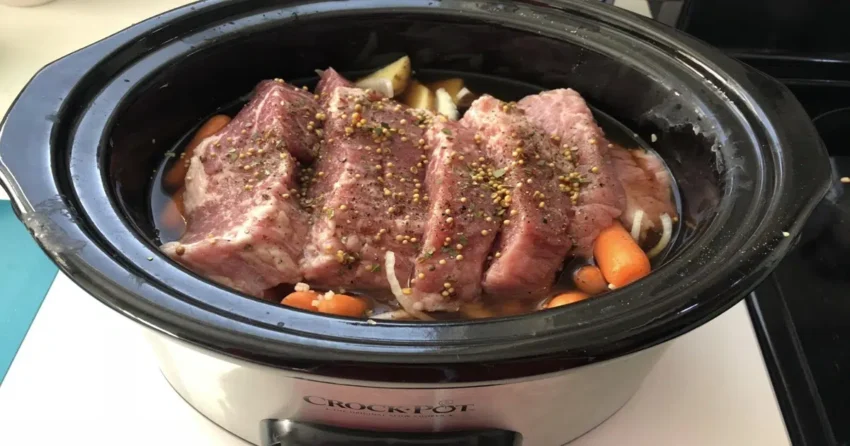
Here are 11 foods you should never put in a slow cooker, and the reasons why.
1. Dairy Products (Milk, Cream, Yogurt, Soft Cheeses)
This is the most common mistake. When heated for hours, the proteins in dairy separate and coagulate, leaving you with a grainy, curdled mess instead of a smooth, creamy sauce.
-
The Fix: Always add milk, cream, sour cream, or cream cheese during the last 20-30 minutes of cooking, just long enough to heat through. This is why in the Amish Cheeseburger Soup recipe, the cheese and milk mixture are stirred in right at the end.
2. Lean Cuts of Meat (Chicken Breast, Pork Tenderloin)
The slow cooker is designed to break down tough, fatty cuts with lots of connective tissue (like chicken thighs or pork shoulder). Lean cuts have no fat or collagen to protect them, so they just dry out and become stringy and tough, even in a bath of liquid.
-
The Fix: Stick to bone-in, skin-on chicken thighs, beef chuck, or pork shoulder. If you must cook chicken breasts, do it on low for a very short time (2-3 hours max), but honestly, it’s a gamble.
3. Raw, Un-browned Ground Meat
You can do it, and many recipes are written this way for convenience, but the result is a gray, mushy, and flavorless texture. More importantly, without browning it first, the fat renders into the dish and creates a greasy mouthfeel.
-
The Fix: Always take the extra 8 minutes to brown ground beef, sausage, or lamb in a skillet first. You get a superior texture, and you can drain the excess fat. This is why the Amish Cheeseburger Soup recipe specifies this crucial step.
4. Most Seafood (Fish, Shrimp, Scallops)
Delicate seafood cooks in minutes, not hours. In a slow cooker, fish fillets dissolve into mush, and shrimp turn into rubbery, over-cooked bullets.
-
The Fix: Only add quick-cooking seafood during the last 10-30 minutes of the cook time, just until they’re opaque and firm. The one exception is a long-simmered seafood stock.
5. Pasta
Pasta cooked for hours absorbs too much liquid and turns into a sticky, swollen, glue-like blob. It completely disintegrates and clouds your entire dish with starch.
-
The Fix: Cook pasta separately on the stovetop until just al dente, and add it directly to the serving bowls. Ladle the hot slow cooker contents over it. Or, stir it in during the very last 10 minutes if it’s a small pasta and there’s plenty of liquid.
6. Rice
Similar to pasta, most types of rice will bloat and turn into a gummy, congealed porridge over a long cook time. It also breaks down and releases too much starch, thickening the dish in an unappealing way.
-
The Fix: The only exception is parboiled (converted) rice or a recipe specifically designed for the slow cooker, like a rice pudding where mushiness is the goal. Otherwise, cook rice separately.
7. Frozen Vegetables
It’s tempting to toss a bag of frozen peas or broccoli right in, but they’ll release a ton of water as they thaw, making your dish watery. They also cook almost instantly, losing all color, texture, and nutrients.
-
The Fix: Add frozen veggies in the last 30-45 minutes. Better yet, use sturdy fresh root vegetables (carrots, potatoes) for the long haul and save tender green veg for the end.
8. Fresh Herbs (Soft Ones)
A long simmer destroys the volatile aromatic oils in delicate fresh herbs like basil, cilantro, parsley, dill, and tarragon. They turn black and bitter.
-
The Fix: Sturdy, woody herbs like rosemary, thyme, and bay leaves love the long cook and release their flavor beautifully. Always add soft fresh herbs just before serving, as a vibrant finishing garnish.
9. Wine (Without Reducing)
You can cook with wine in a slow cooker, but you can’t just pour it in. Because the lid is sealed, alcohol has nowhere to evaporate. You can end up with a harsh, raw, boozy taste that overwhelms the dish.
-
The Fix: Always reduce the wine in a hot pan on the stovetop first to cook off the alcohol and concentrate the flavor before adding it to the pot.
10. Cruciferous Vegetables for the Full Cook (Broccoli, Cauliflower, Brussels Sprouts)
If you add these at the beginning for a long 6-8 hour cook, they will completely break down into mush and release an overwhelming, unpleasant sulfurous smell that will fill your kitchen.
-
The Fix: Add them in the last 30-60 minutes for a tender-crisp texture and a much more pleasant flavor. The cabbage in your chicken recipe is an exception because it transforms into a silky, braised texture, but even that can become mushy if cooked for 8+ hours on high.
11. A Full Bottle of Hot Sauce or Acid (Vinegar, Lemon Juice)
This is a chemistry issue. A lot of acid at the beginning of cooking can prevent starches and fibers from breaking down. In a potato soup, for example, early acidity can keep the potatoes unpleasantly firm. It can also dull and turn bitter after hours of heat.
-
The Fix: Add a splash of vinegar or lemon juice at the end of cooking to brighten up the whole dish, just like the squeeze of lemon suggested for your chicken and cabbage. It “wakes up” the flavors that have mellowed out.