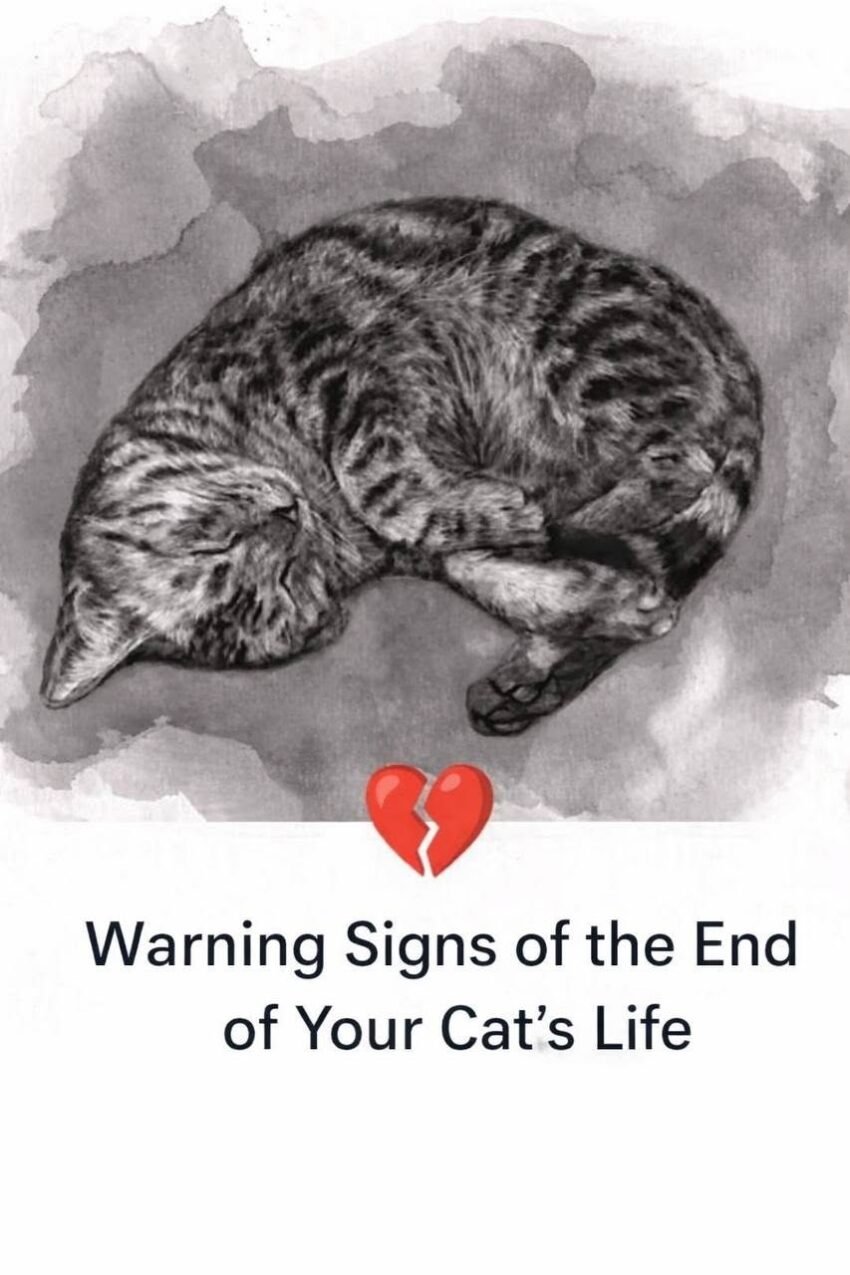
Recognizing the signs that a cat is nearing the end of life can help you provide comfort, manage pain, and make informed decisions with your veterinarian. Cats are masters at hiding illness, so these signs often appear subtly before becoming unmistakable.
1. Complete Loss of Appetite
What happens: A dying cat will often refuse all food, even favorite treats. This isn’t pickiness—it’s the body’s systems slowing down and no longer processing nutrition.
What to do: Don’t force-feed. Offer small amounts of strong-smelling food (warmed tuna water, baby food without onion/garlic) to see if there’s any interest. Hydration becomes more critical than food at this stage.
2. Extreme Lethargy and Withdrawal
What happens: The cat stops engaging with family, may hide in unusual places (closets, under furniture), and sleeps almost constantly. This withdrawal is instinctual—in the wild, a sick animal seeks solitude for protection.
What to do: Provide a quiet, warm, comfortable space. Don’t force interaction, but be present nearby. Soft voices and gentle presence matter even if they seem unresponsive.
3. Changes in Breathing
What happens: Breathing may become labored, rapid, shallow, or irregular. You might see open-mouth breathing, a heaving chest, or long pauses between breaths (Cheyne-Stokes breathing in the final hours).
What to do: This is a sign that organs are shutting down. Keep the environment calm and stress-free. Contact your vet about whether oxygen support or medication could provide comfort.
4. Drop in Body Temperature
What happens: As circulation slows, extremities cool. The cat’s paws, ears, and nose may feel cold to the touch. Body temperature drops below the normal 100.5–102.5°F range.
What to do: Offer a warm blanket or a heating pad on low (with a towel barrier to prevent burns). Don’t overheat—just provide gentle warmth if the cat seeks it.
5. Loss of Mobility
What happens: Weakness makes it difficult to stand, walk, or even lift the head. The cat may stumble, collapse, or be unable to reach the litter box.
What to do: Place food, water, and a low-sided litter box or absorbent pads within easy reach. Help reposition them gently every few hours to prevent sores.
6. Incontinence or Loss of Bowel/Bladder Control
What happens: As muscles relax and awareness fades, the cat may urinate or defecate where it lies. This is not behavioral—it’s physiological.
What to do: Use puppy pads, old towels, or washable bedding. Gently clean the cat with warm, damp cloths to maintain dignity and comfort. Keep the skin dry to prevent irritation.
7. Unresponsiveness or Confusion
What happens: The cat may stop responding to its name, familiar voices, or touch. It may seem to stare blankly or appear disoriented in familiar spaces. Toxins building up in the bloodstream as kidneys and liver fail affect brain function.
What to do: Speak softly anyway. Hearing is often one of the last senses to go. Your presence is comforting even if they can’t show it.
8. Hiding and Isolation (Intensified)
What happens: A cat that previously sought company may now retreat to dark, enclosed spaces and resist being found. This deepens as death approaches.
What to do: Make the hiding spot comfortable and check on them periodically without dragging them out. Respect the instinct while ensuring they’re safe.
9. Vocalization Changes
What happens: Some cats become unusually quiet. Others vocalize more—meowing, howling, or crying out in ways that seem distressed or disoriented. This can be a sign of pain, confusion, or neurological changes.
What to do: Comfort with gentle touch if welcomed. Consult your vet about pain management. This vocalization is often not a cry for attention but a symptom of what’s happening internally.
10. Dull, Sunken Eyes and Changed Appearance
What happens: The eyes may appear glassy, sunken, or have dilated pupils that don’t respond to light. The fur loses its luster, and the face may look gaunt as dehydration and organ failure progress.
What to do: This is a physical sign of the body shutting down. Keep the cat’s face clean with a soft, damp cloth if there’s discharge. Artificial tears can help if the eyes seem dry (ask your vet).
11. Seizures or Loss of Consciousness
What happens: In the final stages, some cats experience seizures, muscle twitching, or lose consciousness entirely. This is extremely distressing to witness but is usually not painful for the cat.
What to do: Clear the area of objects that could cause injury. Don’t restrain the cat or put your hands near its mouth. Time the seizure and contact your vet—this often signals that death is imminent.
When to Contact the Veterinarian
These signs don’t always appear in order, and not every cat will show all of them. However, any combination warrants a conversation with your vet about:
-
Whether there are treatable causes (some conditions mimic end-of-life signs)
-
Pain management options
-
Quality of life assessment
-
In-home euthanasia services if available in your area
A Quality of Life Checklist
Veterinarians often use the HHHHHMM Scale to assess whether a cat is suffering:
| Factor | Question to Ask |
|---|---|
| Hurt | Is pain adequately managed? |
| Hunger | Is the cat eating enough? |
| Hydration | Is the cat drinking or receiving fluids? |
| Hygiene | Can the cat stay clean and comfortable? |
| Happiness | Does the cat show interest in anything? |
| Mobility | Can the cat move without severe difficulty? |
| More Good Days Than Bad | Honestly, is that balance still there? |
If you’re reading this because you’re worried about your own cat, I’m truly sorry. This is one of the hardest parts of loving an animal. The final gift we give them is the relief of suffering—and knowing the signs means you can make that decision with love rather than fear. Be gentle with yourself.