
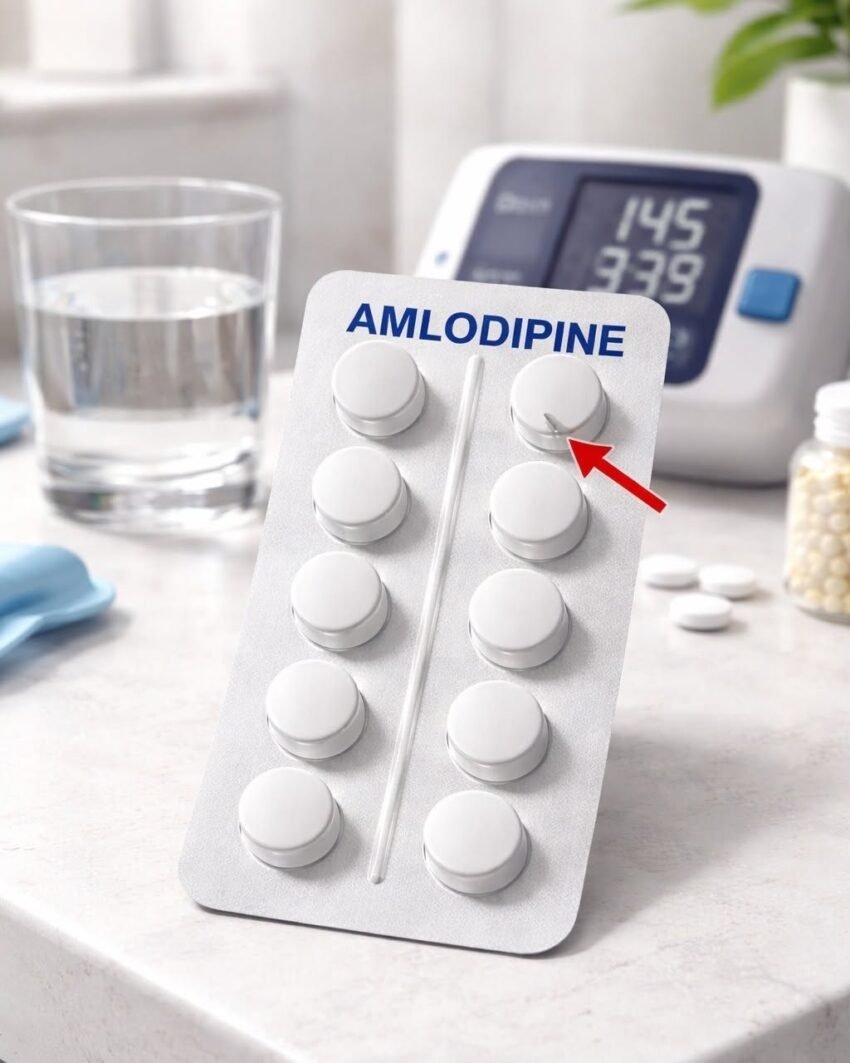
Amlodipine is a highly effective medication for managing high blood pressure and chest pain, but it does not exist in a vacuum. The way you live your daily life—what you eat, drink, and do—can directly interfere with how well the drug works, or worse, amplify its side effects to dangerous levels.
If you are taking amlodipine, breaking these 8 habits this year could help you avoid dangerous drops in blood pressure, swelling, and other complications.
1. Eating Grapefruit or Drinking Grapefruit Juice
Why you should stop: Grapefruit contains compounds (furanocoumarins) that inhibit an enzyme in your liver called CYP3A4. This is the exact enzyme your body uses to break down and clear amlodipine from your system.
The Danger: When you eat grapefruit, the medication is not cleared properly, causing it to build up to dangerously high levels in your blood. This can lead to a sudden, severe drop in blood pressure, dizziness, fainting, and a racing heartbeat. Note: While the interaction is stronger with some other blood pressure drugs (like Nifedipine), studies show grapefruit can still increase amlodipine blood levels. It is safest to avoid it entirely.
2. Drinking Too Much Alcohol
Why you should stop: Amlodipine works by dilating (widening) your blood vessels. Alcohol does the exact same thing.
The Danger: When you combine the two, your blood vessels widen too much at once. This causes your blood pressure to plummet, leading to severe dizziness, lightheadedness, and an increased risk of falls or passing out. Additionally, heavy alcohol use can worsen high blood pressure over time, essentially canceling out the medicine’s benefits.
3. Consuming High-Sodium Processed Foods
Why you should stop: Amlodipine is prescribed to fight high blood pressure. Sodium causes your body to retain fluid, which increases the volume of blood pushing against your artery walls.
The Danger: If you are eating frozen pizzas, canned soups, or fast food regularly, you are fighting a battle against your own medication. You may find your doctor has to keep increasing your dose to get your blood pressure down, which in turn increases your risk of side effects like ankle swelling. Switch to fresh, whole foods and use herbs instead of table salt.
4. Sitting or Standing Still for Too Long (Gravity and Swelling)
Why you should stop: The most common side effect of amlodipine is peripheral edema—swelling in the ankles, feet, and lower legs. This happens because the medication dilates the tiny blood vessels (capillaries), causing fluid to leak into the surrounding tissues. Gravity pulls that fluid downward.
The Danger: If you sit at a desk all day, take a long car ride, or stand in one spot for hours, that fluid pools in your lower extremities, leading to painful, heavy, and swollen legs.
What to do instead: Make a habit of moving every hour. Point and flex your toes, take a short walk, or elevate your feet above your heart for 15 minutes during the day to help push the fluid back toward your core. Compression socks can also be a lifesaver.
5. Taking NSAID Pain Relievers (Ibuprofen, Naproxen) Regularly
Why you should stop: Non-steroidal anti-inflammatory drugs (NSAIDs) like Advil, Motrin, or Aleve cause your body to retain sodium and water. They also reduce blood flow to the kidneys.
The Danger: When you take NSAIDs regularly (for arthritis, headaches, or chronic pain), they actively push your blood pressure up while amlodipine is trying to push it down. This can make your medication look like it isn’t working. If you need pain relief, ask your doctor about alternatives like Acetaminophen (Tylenol), which does not interfere with blood pressure the same way.
6. Taking Certain Herbal Supplements (St. John’s Wort)
Why you should stop: While grapefruit increases the amount of amlodipine in your blood, St. John’s Wort (often taken for mild depression or mood) does the opposite. It induces the liver enzyme, causing your body to metabolize the drug too quickly.
The Danger: If you start taking St. John’s Wort, the amlodipine may be flushed from your system so fast that it stops working entirely, leaving your blood pressure dangerously uncontrolled. Always tell your pharmacist about any herbal supplements you take.
7. Skipping Doses or Taking Them at Random Times
Why you should stop: Amlodipine has a very long half-life, which means it stays in your body for a long time. This is great because it forgives a missed dose occasionally. However, the habit of being erratic with it is dangerous.
The Danger: Blood pressure control requires consistency. If you frequently forget to take it, or take it at 7 AM one day and 11 PM the next, your blood pressure can fluctuate. High blood pressure is known as the “silent killer” because the damage it does to your heart and kidneys often isn’t felt until it’s too late. Use a daily pill organizer or set a phone alarm.
8. Starting a High-Potassium Diet or Supplement Without Asking Your Doctor
Why you should stop: Amlodipine is often prescribed alongside other blood pressure medications, or you may decide to start a “health kick” involving salt substitutes or supplements.
The Danger: Many salt substitutes replace sodium with potassium. If you are also taking an ACE inhibitor (like lisinopril) or an ARB (like losartan), adding a high-potassium supplement on top of that can lead to hyperkalemia (too much potassium in the blood), which can cause dangerous heart arrhythmias. Note: Amlodipine itself doesn’t typically affect potassium, but this is a vital habit to watch if it is part of your overall BP regimen. Always get your electrolytes checked before starting new diet trends.
The Bottom Line
If you are taking amlodipine, the goal is to keep your blood pressure stable and your blood vessels relaxed without overdoing it. Stop fighting the medication with diet and lifestyle habits that cause fluid retention or dangerous drug interactions. If you recognize yourself in any of these 8 habits, make one small change this week, and be sure to discuss your lifestyle with your doctor at your next checkup.