
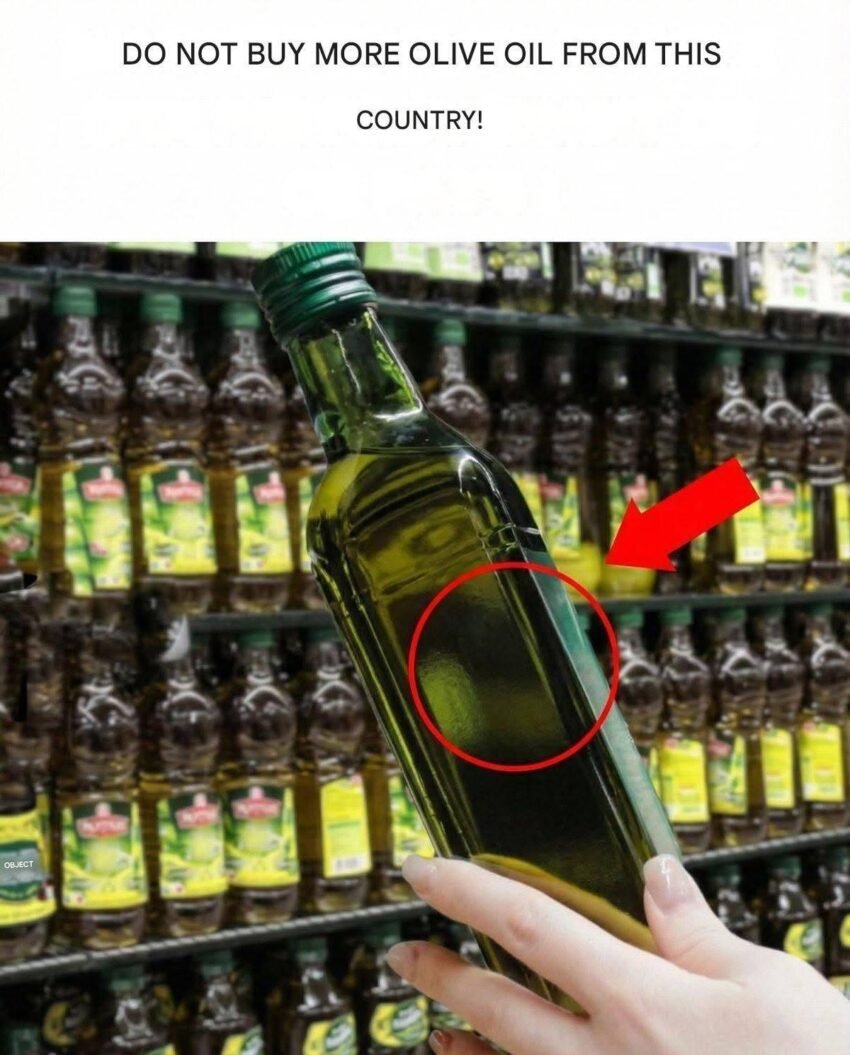
The claim that “80% of olive oil is fake” is one of the most widely repeated food scare stories on the internet — but it is overstated, outdated, and more complicated than it sounds.
That said, olive oil fraud is real, and it’s worth knowing how to choose a genuine product.
Where the “80% fake” claim comes from
The number usually comes from older reports and investigations, especially:
-
A 2010 University of California, Davis study on imported olive oils in California
-
Old news headlines about Italian olive oil fraud
-
Misunderstood data about “extra virgin” olive oil failing sensory tests
However, those numbers don’t apply to all olive oil worldwide, and the industry has tightened in many places since then.
What “fake” usually means
Most fake olive oil is not dangerous or synthetic. The term usually means one of these problems:
1. Mislabeled as extra virgin
It may be lower-grade refined olive oil, or a blend, but sold as extra virgin.
2. Blended with other oils
Cheaper oils like soybean, sunflower, canola, or hazelnut oil are added.
3. Old, oxidised, or poor quality
The oil may have degraded from age, heat, light, or poor storage.
4. Wrong country of origin
Oil may be bottled in Italy but made from olives grown elsewhere, then marketed as Italian.
So it’s less about dangerous “fake” oil and more about lower quality and misleading labels.
Which oils are most likely to be affected?
The risk is higher with:
-
Very cheap “extra virgin” olive oil
-
Blended oils from multiple countries
-
Unfamiliar brands with vague labels
-
Oils bottled far from where olives are grown
-
Old stock stored in clear glass or plastic bottles
The risk is much lower with:
-
Single-origin oils
-
Oils with a harvest or pressing date
-
Oils from reputable producers
-
Oils certified by organisations like the California Olive Oil Council or similar bodies
How to Check If Your Olive Oil Is Likely Genuine
You can’t fully verify olive oil at home, but you can spot warning signs and make better choices.
1. Look for a harvest date
Good producers usually print:
-
Harvest date
-
Pressing date
-
Or at least a “best before” date
If it only says “bottled on,” be cautious.
2. Check the origin
The label should state clearly:
-
Country of origin
-
Specific region, such as “Puglia,” “Andalusia,” or “Tuscany”
“Packed in Italy” does not mean the olives were grown in Italy.
3. Look for certification seals
Trustworthy certifications include:
-
DOP/PDO
-
IGP/PGI
-
California Olive Oil Council extra virgin seal
-
Australian Olive Association certification
4. Buy in dark glass or tin
Light damages olive oil. Clear plastic or clear glass increases the chance of poor quality.
5. Smell and taste it
Real extra virgin olive oil should smell:
-
Grassy
-
Fruity
-
Peppery
-
Fresh
If it smells like crayons, wet cardboard, or old peanuts, it’s likely rancid or low-grade.
6. The fridge test doesn’t work
Putting olive oil in the fridge is not a reliable test. Some real olive oils solidify; some don’t. Fraudsters can also blend oils that solidify.
The real numbers today
Modern testing, especially from organisations like the International Olive Council, suggests the true rate of major olive oil fraud in many markets is far lower than 80%.
The risk is higher in:
-
Very low-price products
-
Certain bulk or food-service oils
-
Oils sold with vague or misleading labels
In good supermarkets and from reputable producers, most labelled extra virgin olive oil is generally authentic, though quality varies.
Bottom line
Your olive oil is probably not “fake” in a dangerous sense.
But it might be:
-
Lower quality than the label suggests
-
Mixed with cheaper oils
-
Older than you think
-
Not truly “Italian”
-
Not truly extra virgin
The best way to avoid that is to buy from a trusted producer, look for a harvest date and origin, and choose dark packaging. Price alone isn’t a guarantee, but extremely cheap “extra virgin” oil should usually be avoided.