
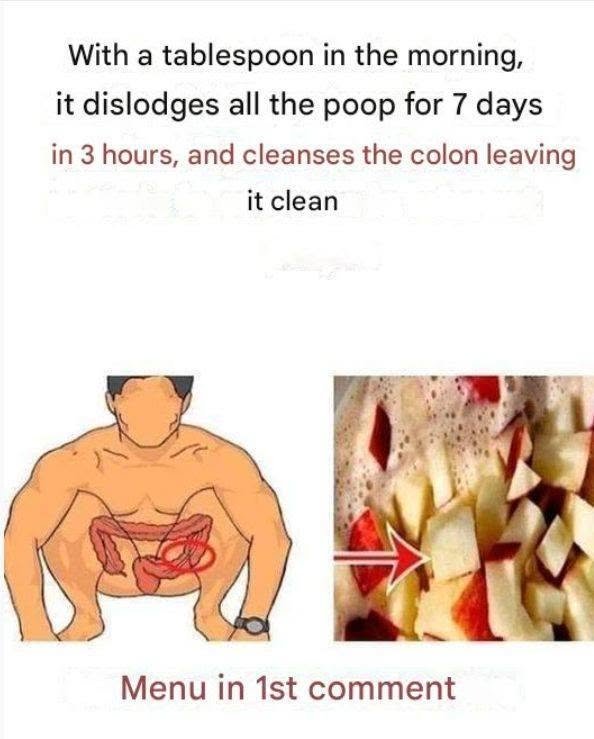
Constipation is incredibly common, and often, the solution lies in simple dietary and lifestyle adjustments rather than harsh over-the-counter laxatives. Dietitians generally agree that the goal is to soften the stool and stimulate the natural muscle contractions of the digestive tract.
Here are 3 highly effective, dietitian-approved natural remedies to help facilitate bowel movements:
1. The “Dynamic Duo”: Kiwi and Prunes
Dietitians often recommend these two specific fruits above all others because they have unique chemical properties that go beyond standard fiber intake.
-
Kiwi: Kiwis contain a unique enzyme called actinidin and a specific type of soluble fiber that has been clinically proven to soften stools and increase stool frequency. Eating two green kiwis a day has been shown in studies to be as effective as certain fiber supplements for relieving constipation.
-
Prunes (Dried Plums): Prunes are arguably the gold standard for natural constipation relief. They are not only high in insoluble fiber (which adds bulk to the stool), but they also contain sorbitol, a natural sugar alcohol that draws water into the intestines, acting as a gentle osmotic laxative. Additionally, they contain natural phenolic compounds that stimulate the gut bacteria and trigger bowel contractions.
-
How to use them: Eat 3 to 5 prunes as a snack, or drink a small glass of prune juice. Stewing them in a little warm water to soften them can make them even easier to digest.
2. The “Powerful Seed”: Ground Flaxseed or Chia Seeds
Sometimes called “bulking agents,” these tiny seeds form a gel-like substance (mucilage) when mixed with water. This gel helps to lubricate the intestinal walls and softens the stool, making it much easier to pass.
-
Why they work: Both flaxseeds and chia seeds are rich in both soluble and insoluble fiber. The soluble fiber retains water, keeping the stool soft, while the insoluble fiber adds physical bulk, which stretches the intestinal wall and triggers peristalsis (the wave-like muscle contractions that push waste out).
-
How to use them: It is crucial to eat them ground (especially flaxseeds, as whole flaxseeds often pass through the body undigested). Sprinkle 1 to 2 tablespoons of ground flaxseed or chia seeds into your oatmeal, yogurt, or smoothie.
-
Crucial Tip: When you increase your fiber intake with seeds, you must drink plenty of water. Without adequate fluids, adding dense fiber can actually make constipation worse and cause bloating.
3. The “Failsafe Beverage”: Warm Water with a Osmotic Salt (Magnesium or Vitamin C)
Sometimes constipation is caused by stool that is simply too hard and dry. Osmotic remedies work by pulling water from your body back into your colon to soften things up.
-
Warm Lemon Water: Starting your morning with a large glass of warm water with lemon juice is a classic dietician tip. The warmth stimulates the gastrocolic reflex (the urge to go to the bathroom after eating or drinking), and the hydration softens the stool.
-
Magnesium Citrate or Magnesium Oxide: While technically a supplement, dietitians frequently recommend magnesium for “transit” issues. Magnesium draws water into the bowels and relaxes the intestinal muscles. A dose of 300–400mg of magnesium citrate in a glass of water before bed can produce a gentle urge to go in the morning.
-
Vitamin C Flush: Similarly, high doses of buffered Vitamin C (like sodium ascorbate) have an osmotic effect. If you take slightly more than your body can absorb, the excess pulls water into the colon. Start with 1,000 mg and increase gradually until you achieve the desired effect.
The Dietician’s Golden Rules for Stool Evacuation
If you are trying these remedies, you must also address the foundational habits of gut motility:
-
Hydrate Strategically: Fiber acts like a sponge. If the sponge is dry, it scrapes and gets stuck. If it’s wet, it slides. Aim for at least 2 to 2.5 liters of water a day.
-
The “Squatty Potty” Position: Dieticians and pelvic floor therapists stress that posture matters just as much as diet. When you sit on the toilet, put your feet on a small step stool so your knees are elevated above your hips. This mimics a natural squat, straightening the rectum and allowing stool to pass without straining.
-
Don’t Ignore the Urge: When your body signals that it is time to go, go. Holding it in allows the colon to continue absorbing water from the stool, making it harder and more difficult to pass later.
-
Move Your Body: A 15–20 minute brisk walk after a meal helps stimulate the natural contractions of the intestines.
If you have tried these natural remedies and are still struggling to have a bowel movement after three or more days, or if you are experiencing severe abdominal pain, nausea, or vomiting, seek medical attention, as this could be a sign of a fecal impaction or bowel obstruction.