
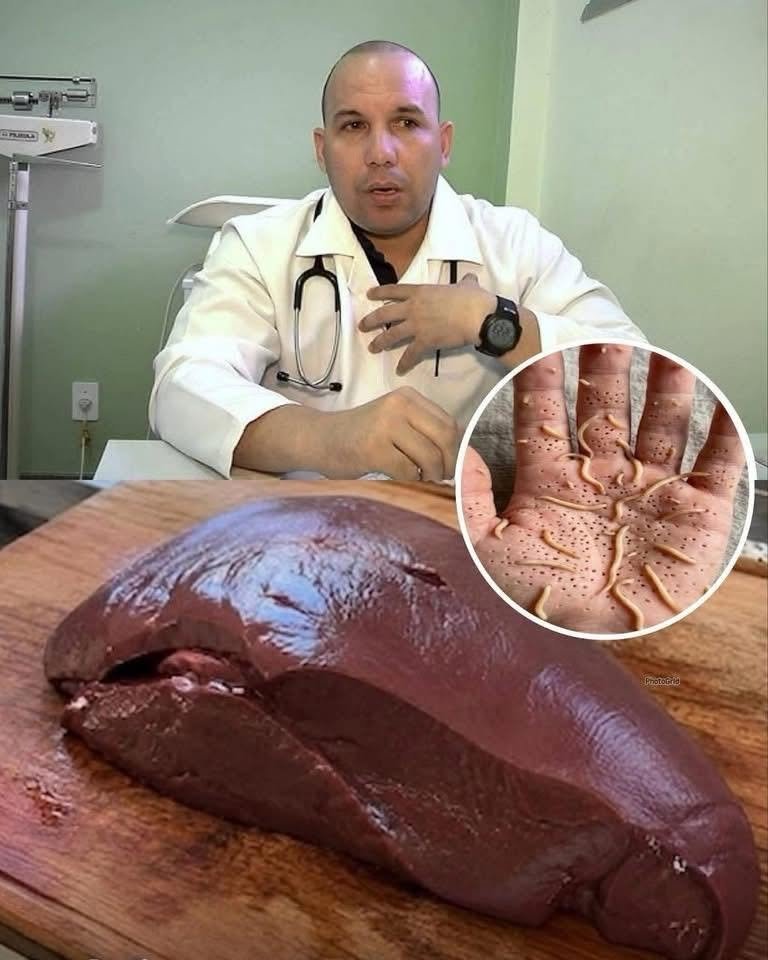
Here’s what doctors and health experts reveal about eating beef liver — including both the potential risks and the impressive health benefits.
Doctors Reveal: What Eating Beef Liver Can Cause
Beef liver is one of the most nutrient-dense foods on the planet. But it can also cause certain health issues if eaten too often or in large amounts.
Potential Risks of Eating Beef Liver
1. Vitamin A Toxicity (Hypervitaminosis A)
-
Beef liver is extremely high in preformed vitamin A
-
One 3.5 oz serving contains over 700% of the daily recommended intake
-
Eating it too often can lead to toxic buildup in the body
Symptoms of vitamin A toxicity:
-
Nausea and vomiting
-
Headache
-
Dizziness
-
Blurred vision
-
Bone pain
-
Liver damage in severe cases
-
Birth defects if consumed in excess during pregnancy
Doctor’s advice: Limit beef liver to once a week or less, especially for pregnant women.
2. High Cholesterol Content
-
Beef liver is high in dietary cholesterol
-
One serving contains about 400–500 mg of cholesterol (the daily limit was previously 300 mg, though current guidelines focus more on saturated fat)
Who should be cautious:
-
People with high cholesterol
-
Those with heart disease or a history of stroke
-
Anyone following a strict cholesterol-lowering diet
Note: Dietary cholesterol doesn’t affect everyone the same way, but doctors often advise moderation for those with cardiovascular risk.
3. Gout Flare-Ups
-
Beef liver is high in purines
-
Purines break down into uric acid, which can trigger gout attacks in susceptible people
Who should avoid it:
-
People with gout
-
Those with high uric acid levels
-
Anyone with kidney problems
4. Iron Overload
-
Beef liver is rich in heme iron, which is easily absorbed
-
Too much iron can be harmful, especially for people with hemochromatosis
Risks of iron overload:
-
Joint pain
-
Fatigue
-
Liver damage
-
Heart problems
-
Diabetes
Who should avoid it:
-
People with hemochromatosis
-
Those with conditions requiring iron restriction
5. Heavy Metal and Toxin Exposure
-
The liver is the body’s detoxification organ in animals
-
Some people worry about accumulated toxins, hormones, or antibiotics
Truth: The liver doesn’t store toxins — it processes them. However, it can store trace amounts of heavy metals if the animal was exposed.
Solution: Choose grass-fed, organic beef liver from a trusted source whenever possible.
6. Digestive Discomfort
-
Some people experience nausea, upset stomach, or diarrhea after eating beef liver
-
The strong flavor and richness can be difficult to digest for sensitive individuals
The Other Side: Why Some Doctors Praise Beef Liver
Beef liver is often called “nature’s multivitamin” because it contains:
-
Vitamin A – essential for vision, immunity, and skin health
-
B vitamins (especially B12) – crucial for energy, brain function, and red blood cell production
-
Iron – prevents anemia and supports oxygen transport
-
Folate – important for cell growth and pregnancy
-
Copper and zinc – support immune function and wound healing
-
High-quality protein – supports muscle maintenance and repair
How Much Beef Liver Is Safe?
| Group | Recommended Limit |
|---|---|
| Most healthy adults | 3–4 oz once per week |
| Pregnant women | Avoid or consult a doctor first |
| People with gout | Avoid or very limited |
| People with hemochromatosis | Avoid |
| People with high cholesterol | Consult a doctor |
| Children | Very small portions, if any |
How to Make Beef Liver Safer and More Palatable
-
Soak in milk or lemon juice for 30–60 minutes before cooking to reduce the strong flavor
-
Don’t overcook — liver becomes tough and bitter when overdone
-
Pair with onions and herbs to balance the taste
-
Choose high-quality sources — grass-fed, organic, and fresh
-
Freeze in small portions to control serving size
Bottom Line
Eating beef liver can cause vitamin A toxicity, gout flare-ups, cholesterol spikes, and iron overload — but only if eaten in excess or by certain at-risk individuals.
For most people, a small serving once a week is safe and can provide exceptional nutrition. However, it’s always best to consult your doctor before making beef liver a regular part of your diet.
Would you like a list of lower-risk organ meats or a comparison between beef liver and chicken liver?