
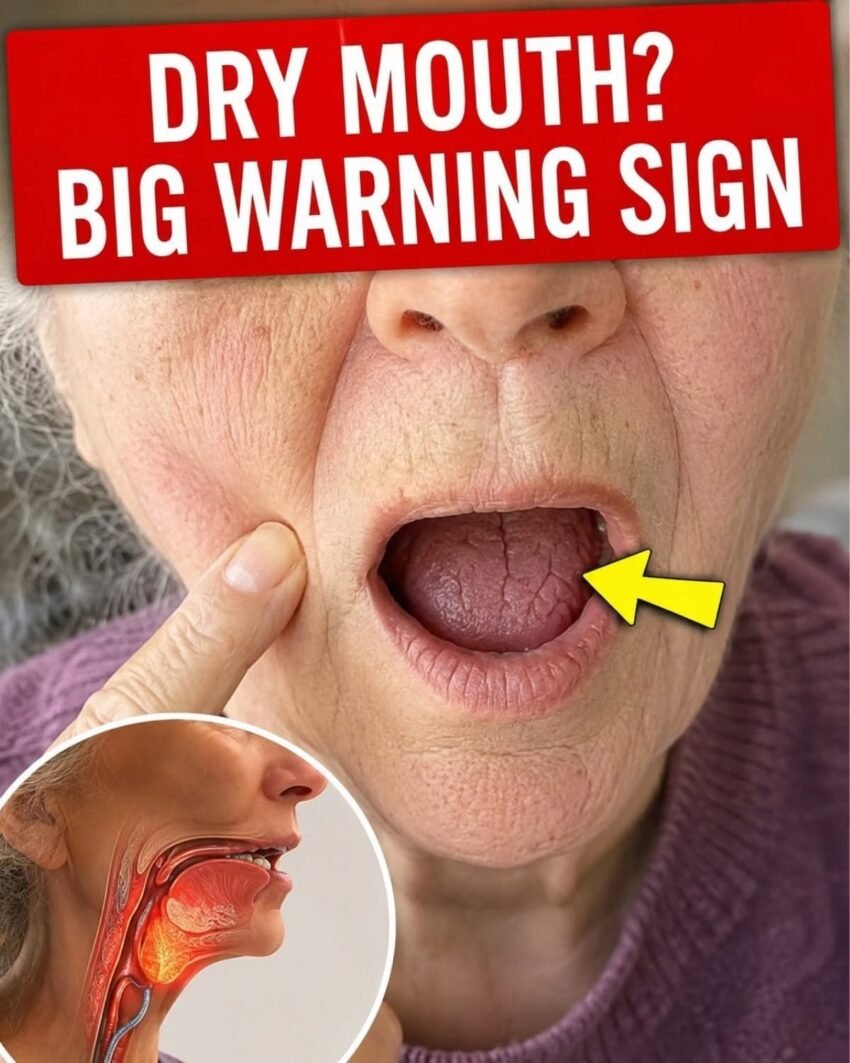
Dry mouth is not a normal part of aging. While it’s true that older adults are more likely to experience dry mouth (xerostomia), it is almost always due to medications, underlying health conditions, or lifestyle factors—not age itself.
When your mouth feels persistently dry, it’s a sign that your salivary glands are under-producing, and that can lead to serious issues:
-
Tooth decay and cavities (saliva neutralizes acids and washes away food)
-
Gum disease
-
Difficulty chewing, swallowing, or speaking
-
Bad breath
-
Oral infections like thrush
Common Causes of Dry Mouth
1. Medications (the #1 cause)
Over 500 drugs list dry mouth as a side effect, including:
-
Blood pressure medications
-
Antidepressants & anti-anxiety drugs
-
Antihistamines & decongestants
-
Muscle relaxants
-
Pain medications
-
Diuretics
2. Medical Conditions
-
Sjögren’s syndrome – autoimmune disease attacking salivary glands
-
Diabetes (especially if blood sugar is poorly controlled)
-
Alzheimer’s / Parkinson’s disease
-
HIV/AIDS
-
Stroke
-
Thyroid disorders
3. Cancer Treatments
-
Radiation to the head/neck can permanently damage salivary glands
-
Chemotherapy can temporarily thicken saliva or reduce flow
4. Nerve Damage
-
Injury or surgery affecting the head/neck area
5. Lifestyle / Environmental
-
Smoking or chewing tobacco
-
Alcohol & caffeine (both dehydrating)
-
Mouth breathing (especially at night)
-
Dehydration
What You Can Do
Immediate relief:
-
Sip water frequently throughout the day
-
Chew sugar-free gum or suck on sugar-free lozenges (xylitol-based is best)
-
Use a humidifier at night
-
Avoid alcohol-based mouthwashes — choose ones labeled “for dry mouth”
-
Limit caffeine, alcohol, and salty/spicy foods
Long-term strategies:
-
Ask your doctor or pharmacist if any of your medications can be adjusted
-
Practice excellent oral hygiene — brush with fluoride toothpaste, floss daily
-
See your dentist regularly (every 3–6 months if dry mouth is severe)
-
Consider saliva substitutes or prescription medications like pilocarpine or cevimeline
When to See a Doctor or Dentist
If your dry mouth has lasted more than a few weeks, or you notice:
-
Difficulty swallowing or speaking
-
A burning sensation in the mouth
-
White patches (possible thrush)
-
Rapid tooth decay
…then it’s time to get checked. Dry mouth is a symptom, not a diagnosis — and treating the root cause can protect both your oral health and overall well-being.
Would you like help identifying which specific medications or conditions might be contributing?