
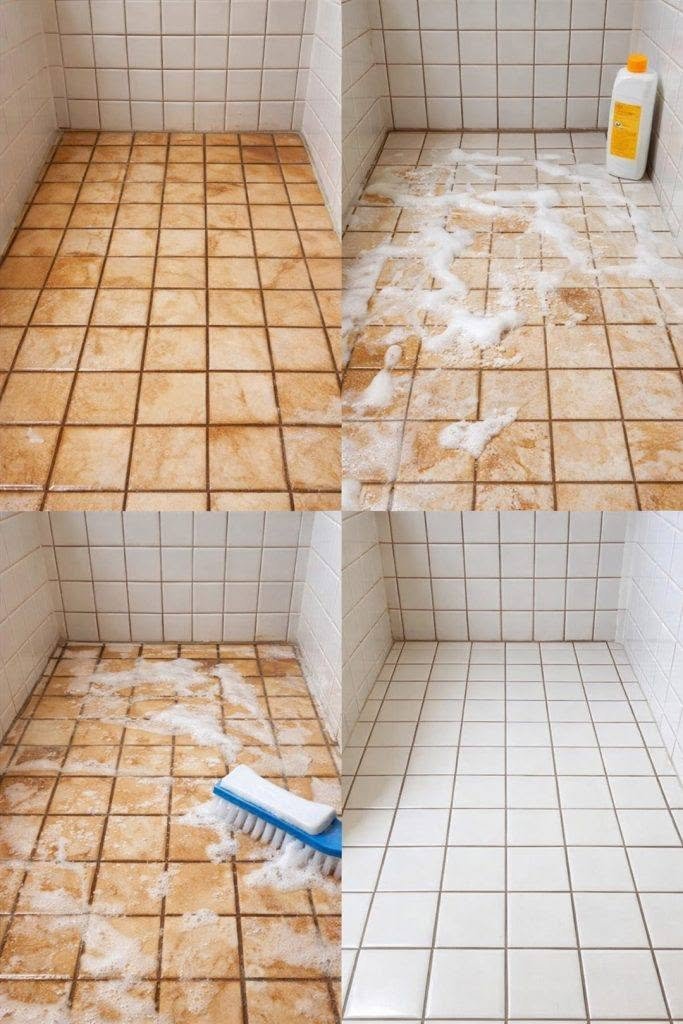
This all-purpose recipe is scientifically grounded in cleaning chemistry: it combines a degreaser, a pH adjuster for shine, and an antimicrobial agent, leaving no sticky residue. It works beautifully on tile, laminate, sealed hardwood, and vinyl.
The Ultimate “Like New” Floor Cleaner Recipe
This is a concentrate, designed to be mixed in a bucket with warm water.
For a 1-Gallon Bucket of Cleaning Solution, Mix:
-
1 gallon of warm water (the heat helps dissolve soil)
-
¼ cup white distilled vinegar (the workhorse acid that cuts grease, dissolves hard water spots, and deodorizes without leaving a dulling film like soap can)
-
1 teaspoon plant-based dish soap (a surfactant that lifts and suspends dirt so it doesn’t just get pushed around; must be very mild—Castile soap can leave a film if you have hard water)
-
5-8 drops of essential oil (optional, for antimicrobial power and a natural fresh scent. Lemon, tea tree, or the eucalyptus from our insect talk are top-tier choices)
Method
-
In the bucket, first pour in the dish soap and essential oils. Then add the warm water and vinegar. This mixing order helps the oil disperse.
-
Swirl gently with your hand or the mop—do not create suds. Suds are your enemy; they leave a film.
-
Mop as usual, wringing the mop thoroughly. The golden rule of mopping: The floor should be almost dry 30-60 seconds after you pass the mop. A sopping wet mop will push dirty water into grout lines and seams, ruining that “like new” look.
-
No need to rinse. The vinegar and water will evaporate cleanly. If you see streaks, you used too much soap.
Why This Works (The Science of Shine)
-
Vinegar (Acetic Acid): Dissolves the alkaline mineral deposits from hard water and dried spills that make a floor look cloudy. It also neutralizes odors rather than just masking them.
-
Dish Soap (Surfactant): Lifts the oily, greasy soils that vinegar alone can’t touch (like kitchen floor splatter or barefoot oils in a hallway). The key is 1 teaspoon—anything more will leave a sticky residue that actually attracts more dirt.
-
Essential Oils: Beyond scent, lemon and tea tree oil are scientifically demonstrated to have antibacterial and antifungal properties. Adding them connects directly to your earlier interest in natural insect repellents—keeping the floor clean with these oils also subtly deters pests like cockroaches that feed on microscopic food residues.
Critical “Don’t Ruin Your Floor” Warnings
-
Never on Unsealed Wood, Marble, or Stone: Vinegar is an acid. It will etch and permanently dull marble, travertine, limestone, and unsealed grout. For these, use a pH-neutral cleaner (a tiny drop of dish soap in water only).
-
Castile Soap + Hard Water = Disaster: Never mix vinegar with a true soap like Dr. Bronner’s in a cleaning solution. The acid in vinegar will “unsaponify” the soap, leaving behind the original fats and a horrific, impossible-to-remove white scum all over your floor.
-
A Steam Mop is a Perfect Companion: For a truly “like new” sanitized finish, you can mop first with this solution, then go over the floor with a steam mop using only water. The steam breaks down any remaining microscopic film and kills pathogens physically, without any chemicals—a perfect synergy with your homemade approach.
Let me know what type of flooring you have. If it’s tile with grout lines, I can give you a specific grout-reviving paste that will make the entire floor look brand new.