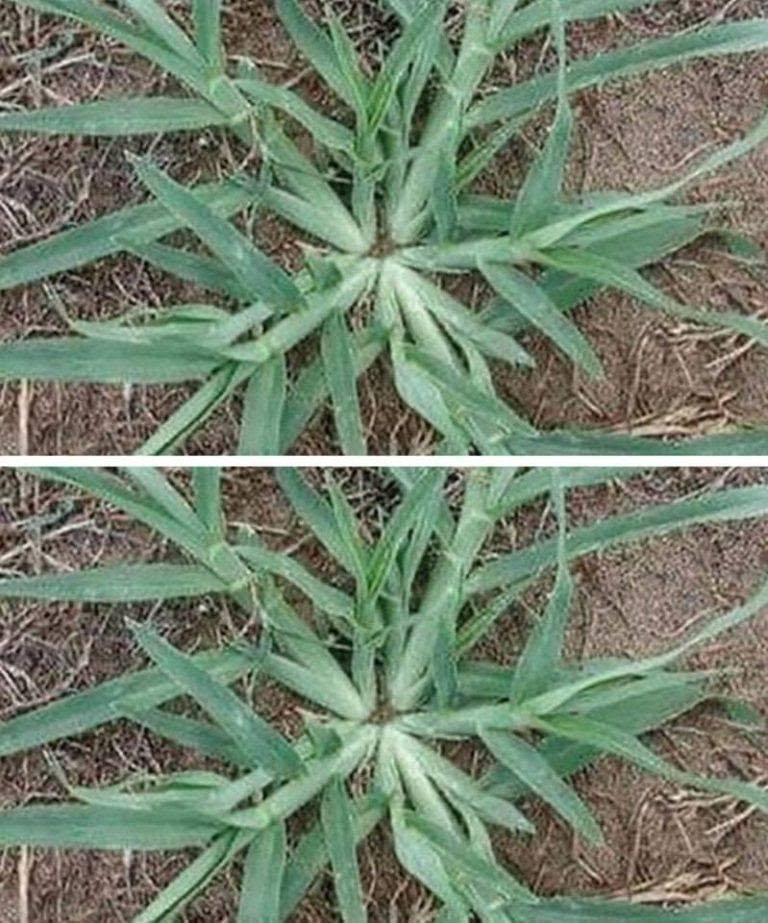
It’s the perfect example of a plant that many people mistakenly dismiss as a common weed, yet it’s actually a nutritional powerhouse and a valuable medicinal herb. The “weed” in your garden is often more valuable than the vegetables you planted intentionally.
Let’s dive into why you should never uproot Portulaca oleracea (purslane) and how to use it for both health and culinary purposes.
Why You Should Welcome This “Weed”
Purslane is a succulent plant with reddish stems, small green leaves, and tiny yellow flowers. It thrives in cracks in the sidewalk, garden beds, and dry soil—its resilience is a clue to its potency.
1. The #1 Plant Source of Omega-3 Fatty Acids
This is purslane’s claim to fame and what stunned the scientific community. We typically think of omega-3s coming only from fish, but purslane contains exceptionally high levels of alpha-linolenic acid (ALA), the plant-based omega-3. It has more ALA than any other leafy green vegetable ever tested. This directly connects it to the anti-inflammatory principles we discussed for sciatica, knee pain, and nerve health—purslane is a literal anti-inflammatory you can pick from your walkway.
2. The “Anti-Aging” Antioxidant Cocktail
Purslane is packed with antioxidants that directly combat the oxidative stress underlying almost every chronic condition.
-
Glutathione: The “master antioxidant” that your body produces internally, but levels decline with age. Purslane provides it directly from the diet.
-
Betacyanins: The reddish pigment in the stems is a powerful antioxidant in the same family as beets, shown to protect cells from damage.
-
Vitamin C, Vitamin E, and Beta-Carotene: A complete spectrum of vitamins that regenerate each other, making the total effect more powerful than any single one.
3. Mood-Boosting and Sleep-Enhancing Melatonin
Plants don’t sleep, but many produce melatonin as a defense against environmental stress. Purslane contains remarkably high levels of melatonin—not just trace amounts. Consuming it can gently increase circulating melatonin, improving sleep quality and helping to regulate circadian rhythms without supplementation.
4. Magnesium and Potassium: The Nerve-Calming Minerals
This ties directly into our discussion of burning, tingling feet and muscle spasms. Purslane is rich in magnesium (nature’s muscle relaxant) and potassium (essential for nerve signal transmission). Eating purslane regularly replenishes the electrolytes that calm an overactive, misfiring nervous system.
5. Traditional Wound Healing and Anti-Inflammatory Use
Purslane’s Latin name, Portulaca, likely derives from portula (little gate), referring to how its seed capsule opens. Traditionally, the crushed, fresh leaves are applied as a poultice to:
-
Cool and soothe burns, insect stings, and skin inflammations.
-
Reduce swelling and pain from bruises.
-
As a mucilaginous, cooling remedy for hot, red, irritated tissues—a perfect natural parallel to the cold therapy we discussed for acute sciatica.
How to Identify It Correctly (Crucial Step)
Before you eat any wild plant, you must be 100% certain of its identity. Purslane has a potentially dangerous look-alike: spurge (Euphorbia maculata), which is toxic.
| Feature | Purslane (Portulaca oleracea) | Spurge (Euphorbia maculata) |
|---|---|---|
| Stem | Thick, succulent, smooth, reddish-green. | Thin, wiry, hairy, not succulent. |
| Leaves | Plump, juicy, paddle-shaped, smooth edges. | Thin, flat, sometimes with a red spot in the center, slightly serrated. |
| Sap | Clear, watery. | White, milky, sticky. This is the definitive test. |
| Growth | Forms a thick, spreading mat. | Grows more upright and sparse. |
The Golden Rule: Break a stem. If the sap is milky white, do not eat it.
How to Use Purslane at Home
1. Raw in Salads (The Simplest Way)
The taste is slightly lemony, salty, and crisp-crunchy. The stems and leaves are entirely edible.
-
Simple Purslane Salad: Toss a generous handful of raw purslane with diced cucumber, tomato, red onion, and a simple dressing of extra virgin olive oil, lemon juice, and a pinch of salt. This is a classic Middle Eastern and Mediterranean preparation that perfectly combines the anti-inflammatory power of purslane with the oleocanthal in olive oil.
2. Sauteed or Wilted Like Spinach
The mucilaginous quality (the slight “slime” similar to okra) is actually deeply healing for the gut lining, making it a wonderful food for digestive health.
-
Quick Sauté: Lightly sauté in olive oil with garlic until just wilted. The sliminess reduces and it becomes a rich, nutritious side dish. Add it to omelets or frittatas.
3. In Soups and Stews
In Mexican cuisine, purslane is called verdolagas and is cooked with pork in a green tomatillo sauce. The mucilage acts as a natural thickener for broths, adding body and nutrition.
4. As a Healing Foot Poultice (Topical)
For burning, inflamed skin, or insect stings:
-
Take a handful of fresh, clean purslane and crush it between your palms or in a mortar and pestle until it forms a juicy pulp.
-
Apply this cool, wet mash directly to the area. Cover with a clean cloth and leave for 20-30 minutes. The cooling and anti-inflammatory properties directly soothe the nerve endings in the skin.
A Note on Oxalates
Purslane contains oxalates, a naturally occurring compound. For the vast majority of people, this is not a concern. However, if you have a known history of calcium-oxalate kidney stones, consume purslane in moderation and pair it with a calcium-rich food (like yogurt or cheese in the salad), as the oxalate can bind to calcium in the gut and be excreted before reaching the kidneys, rather than binding in the kidney itself.
This plant, growing quietly in the cracks of your pavement, is a perfect example of nature providing exactly what we need—anti-inflammatory omega-3s, nerve-soothing magnesium, and sleep-enhancing melatonin—in the most unassuming package. It is the complete opposite of the refined, pro-inflammatory foods we’ve discussed avoiding. Next time you spot it, you’ll see not a weed, but a free, living supplement.