
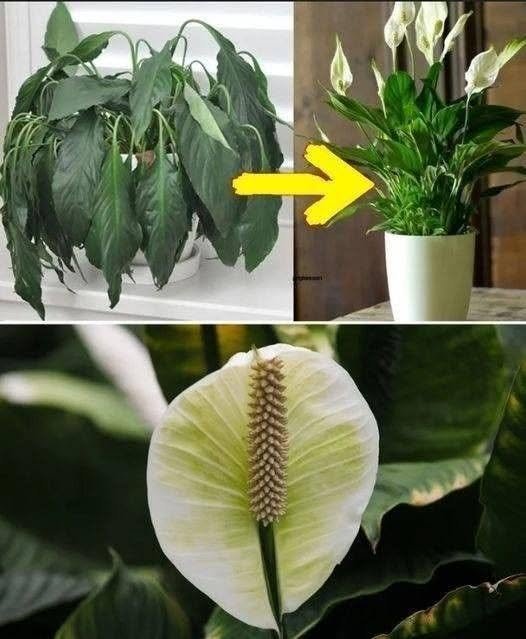
Placing a tablespoon of common household items on your plants can have surprising effects — some beneficial, some harmful. Here’s what to expect from the most common ones.
1. Coffee Grounds
What happens:
Adds nitrogen, improves soil structure, and can deter some pests.
How to use:
Sprinkle a thin layer on top of the soil around acid-loving plants like roses, blueberries, azaleas, and hydrangeas.
Caution:
Don’t use too much. Thick layers can become compacted, mouldy, or too acidic. Avoid on plants that prefer alkaline soil.
2. Eggshells
What happens:
Slowly releases calcium as they break down.
How to use:
Crush them finely and sprinkle on the soil. They help prevent blossom end rot in tomatoes and peppers.
Caution:
They decompose slowly. For faster release, grind them into a powder.
3. Epsom Salt
What happens:
Provides magnesium and sulfur, which can improve flowering and greening.
How to use:
Dissolve one tablespoon in a litre of water and water plants like tomatoes, peppers, and roses once a month.
Caution:
Too much can build up in soil and harm roots. Don’t use on sage or other plants sensitive to magnesium.
4. Sugar
What happens:
Feeds soil microbes, but can also attract ants and fungus gnats.
How to use:
Only in very small amounts, mixed into compost or soil. Not generally recommended as a direct houseplant treatment.
Caution:
Sugar on soil often causes more problems than benefits indoors.
5. Cinnamon
What happens:
Acts as a natural antifungal. It can help prevent damping-off in seedlings and discourage mould on soil.
How to use:
Dust a light layer over the soil surface or on cut stems.
Caution:
Use sparingly. Too much can affect soil pH over time.
6. Baking Soda
What happens:
Can help prevent powdery mildew and some fungal diseases.
How to use:
Mix a teaspoon with a litre of water and a drop of mild soap. Spray on leaves, don’t pour on soil.
Caution:
Too much sodium can build up and damage plants. Never apply in strong sun.
7. Olive Oil or Vegetable Oil
What happens:
Often claimed to shine leaves, but it can clog leaf pores and attract dust and pests.
How to use:
Avoid direct application. If used, wipe leaves very lightly with a diluted mixture, then wipe off.
Caution:
Oil on leaves can cause leaf burn in bright light and interfere with transpiration.
8. Wood Ash
What happens:
Raises soil pH and adds potassium.
How to use:
Sprinkle very lightly around plants that like alkaline soil, such as lavender or clematis.
Caution:
Don’t use around acid-loving plants like camellias, rhododendrons, or blueberries.
9. Milk
What happens:
Can act as a mild antifungal and provides a small amount of calcium.
How to use:
Dilute 1 part milk to 3 parts water and spray on leaves to help prevent powdery mildew.
Caution:
Full-strength milk on soil can smell sour and attract pests.
10. Banana Peel or Banana Water
What happens:
Adds potassium and small amounts of phosphorus as it breaks down.
How to use:
Chop the peel finely and bury just under the soil surface, or soak it in water and use the water on plants.
Caution:
Whole peels on top of soil can attract fruit flies and mould.
Important General Rule
A tablespoon of something is not always harmless just because it’s natural.
Best results come from:
-
Using very small amounts
-
Knowing your plant’s preferences
-
Applying to the soil, not directly on leaves unless specified
-
Watching how the plant responds
Bottom Line
If you place a tablespoon of coffee grounds, crushed eggshells, or cinnamon on a houseplant, you may see modest benefits over time.
But if you use sugar, oil, or too much baking soda, you may attract pests or damage the plant.
The key is knowing what your plant needs — and not overdoing it.