
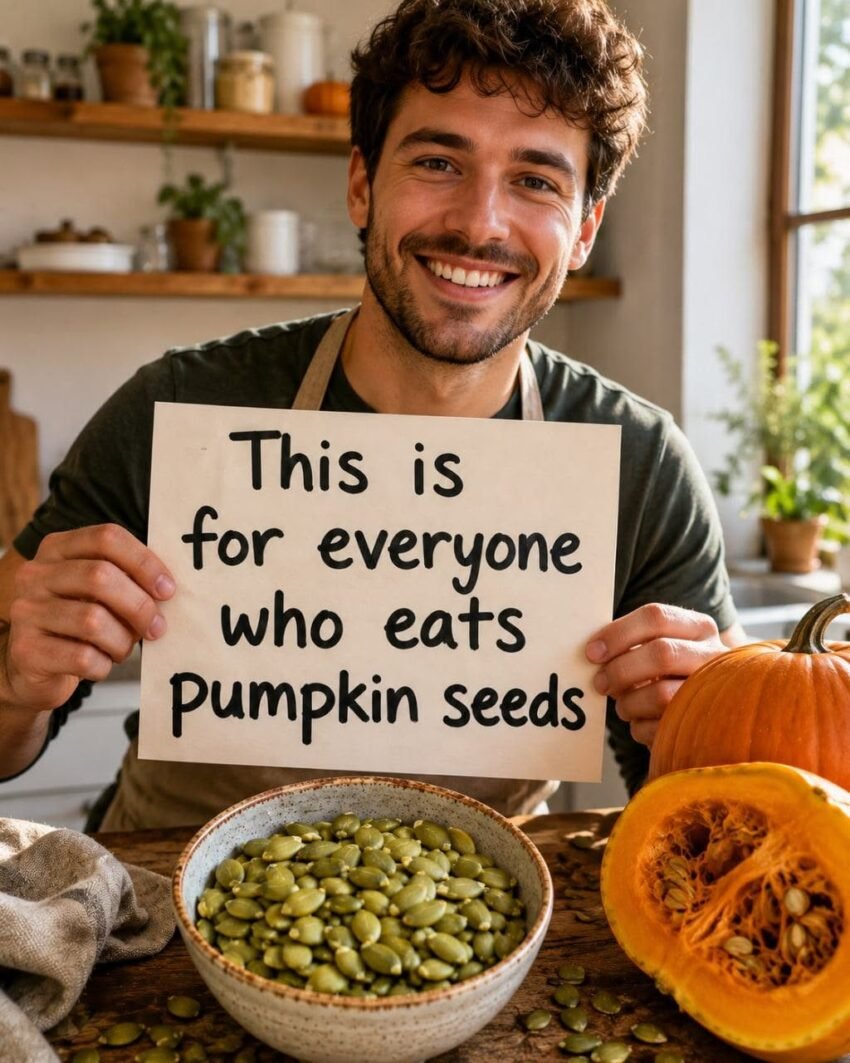
Pumpkin seeds and their oil are nutritional powerhouses, and their benefits go far beyond being a seasonal snack. The science backs them up for heart health, sleep, prostate function, and more.
Here’s a breakdown of the scientifically proven benefits.
The Nutritional Foundation
This is what drives everything. A 1-ounce (28g) serving of shelled pumpkin seeds (about a handful) provides:
-
Magnesium: 40% of your daily needs.
-
Zinc: 20-25% of your daily needs.
-
Plant-Based Protein: 8-9 grams.
-
Fiber: 2 grams.
-
Healthy Fats: Rich in omega-6 and omega-3 fatty acids, primarily linoleic acid.
-
Tryptophan: The amino acid precursor to serotonin and melatonin.
Evidence-Based Benefits
1. Sleep Quality Improvement
Pumpkin seeds are a natural source of tryptophan, magnesium, and zinc, all of which play a role in sleep regulation. Magnesium helps activate the parasympathetic nervous system (responsible for relaxation), while tryptophan is converted to serotonin and then melatonin, the “sleep hormone.”
-
Takeaway: A small handful an hour before bed, as part of a wind-down routine, may help you fall asleep faster and improve sleep depth.
2. Prostate and Urinary Health (Especially Pumpkin Seed Oil)
This is one of the most studied benefits. Pumpkin seed oil has been clinically shown to help manage symptoms of benign prostatic hyperplasia (BPH), an enlarged prostate. Its phytosterols (especially beta-sitosterol) can improve urine flow and reduce the urge to urinate urgently at night.
-
Evidence: Multiple studies, including a well-known randomized controlled trial, show pumpkin seed oil significantly improves International Prostate Symptom Scores (IPSS) and quality of life.
-
Takeaway: This is a first-line supplement consideration for men’s urinary health.
3. Heart Health Support
The combined action of magnesium, zinc, antioxidants, and healthy fats creates a strong cardioprotective profile.
-
Blood Pressure: The high magnesium content helps relax blood vessels, directly contributing to lower blood pressure.
-
Cholesterol: The phytosterols compete with cholesterol for absorption in the gut, which can help lower LDL (“bad”) cholesterol. Pumpkin seed oil has been shown to increase HDL (“good”) cholesterol in some studies.
-
Nitric Oxide: The arginine and other compounds in the seeds promote nitric oxide production, crucial for flexible, healthy arteries and good circulation.
4. Blood Sugar Regulation
The high magnesium level is key here. Magnesium deficiency is strongly linked to insulin resistance and type 2 diabetes. Adequate magnesium intake improves insulin sensitivity. The combination of protein, fiber, and healthy fat also slows the absorption of sugar from a meal.
-
Evidence: Studies show a diet rich in magnesium reduces the risk of developing type 2 diabetes. Adding pumpkin seeds to a carbohydrate-heavy meal can blunt the post-meal blood sugar spike.
5. Male Fertility and Testosterone Support
Zinc is a critical mineral for testosterone production and sperm health, and pumpkin seeds are one of the best dietary sources. Low zinc is linked to reduced sperm quality and low testosterone.
-
Takeaway: A daily serving provides a foundational nutritional base for reproductive hormone function.
6. Anti-Inflammatory and Antioxidant Power
Pumpkin seed oil is rich in vitamin E (in the form of gamma-tocopherol) and carotenoids like lutein. These fat-soluble antioxidants protect your cells from oxidative damage and help combat chronic, low-grade inflammation, particularly beneficial for joint health (arthritis).
7. Potential Hair Growth Factor
Pumpkin seed oil has been studied for androgenetic alopecia (pattern hair loss). Its phytosterols are thought to inhibit 5-alpha reductase, the enzyme that converts testosterone to DHT (the hormone that shrinks hair follicles).
-
Evidence: A 2014 study gave men with pattern baldness 400mg of pumpkin seed oil daily for 24 weeks. They experienced a 40% increase in hair count compared to a 10% increase in the placebo group. It’s not a miracle cure, but it’s a scientifically supported, natural adjunct therapy.
Pumpkin Seeds vs. Pumpkin Seed Oil
-
Seeds: Eat them for the fiber, protein, and whole-food synergy. The chewing action is also great for mindfulness and satiety. Roast them lightly to preserve nutrients.
-
Oil: Use it for a concentrated dose of phytosterols and antioxidants. It has a low smoke point, so never cook with it. Use it as a finishing oil on salads, soups, or ice cream (its nutty flavor is a classic pairing with vanilla). You can also find it in cold-pressed supplement capsules.
A Note on Form: The studied doses for specific conditions like BPH or hair loss are often concentrated supplements (1,000 mg of oil or a specific extract). Food provides a smaller, maintenance dose that contributes to long-term health.
Let me know if you’d like to know what to look for when buying a quality supplement or oil.