
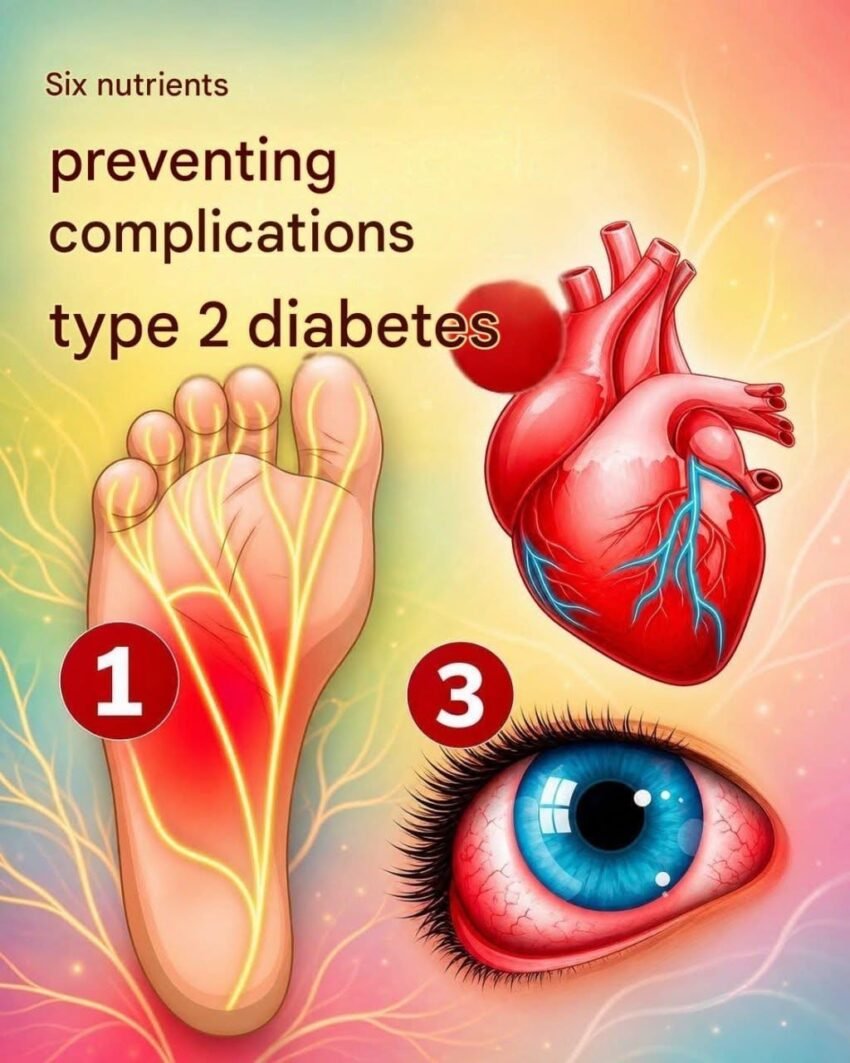
Managing diabetes isn’t just about blood sugar—it’s about protecting your eyes, kidneys, nerves, and heart from long-term damage. These six nutrients have strong evidence for doing exactly that.
1. Alpha-Lipoic Acid (ALA)
Protects against: Diabetic neuropathy (nerve pain, tingling, numbness)
ALA is a potent antioxidant that is both fat- and water-soluble, meaning it works in every cell of the body. It’s one of the most researched supplements for diabetic nerve health.
-
How it works: It neutralizes oxidative stress in nerve cells, improves insulin sensitivity, and has been shown to reduce the classic symptoms of peripheral neuropathy—burning, stabbing pain, and numbness in the feet and hands.
-
Food sources: Spinach, broccoli, organ meats. However, therapeutic doses for nerve pain are hard to get from food alone.
-
Key finding: A landmark study (SYDNEY trial) found that 600 mg of ALA intravenously for three weeks significantly reduced neuropathic pain. Oral supplementation at 600–1800 mg daily is a common clinical approach (always under medical supervision).
2. Benfotiamine (Fat-Soluble Vitamin B1)
Protects against: Retinopathy, nephropathy, and microvascular damage
Benfotiamine is a synthetic form of thiamine (B1) that penetrates cells far more effectively. It’s a game-changer for blocking the biochemical pathways that high blood sugar triggers.
-
How it works: High glucose activates four destructive pathways (polyol, AGEs, PKC, and hexosamine) that damage tiny blood vessels in the eyes, kidneys, and nerves. Benfotiamine blocks three of them by activating the enzyme transketolase, essentially diverting the excess glucose to a harmless path.
-
Food sources: Not found in significant amounts in food. It’s a specific supplement form.
-
Key finding: Research shows benfotiamine reduces the formation of AGEs (Advanced Glycation End-products), the sticky proteins that stiffen arteries and cloud the lens of the eye. It’s widely used in Germany and Japan for diabetic complications.
3. Magnesium
Protects against: Insulin resistance, cardiovascular disease, and chronic inflammation
Most people with type 2 diabetes are low in magnesium because high blood sugar causes the kidneys to excrete more of it.
-
How it works: Magnesium is a cofactor for over 300 enzymes, many involved in glucose metabolism. Adequate levels improve insulin sensitivity, reduce fasting blood sugar, and lower CRP (C-reactive protein), a marker of the inflammation that drives heart disease.
-
Food sources: Pumpkin seeds, almonds, spinach, black beans, avocado.
-
Key finding: A meta-analysis in Diabetes Care found that people with high dietary magnesium intake had a 15% lower risk of developing type 2 diabetes. In those who already have it, supplementation can lower fasting glucose and improve HbA1c significantly.
4. Omega-3 Fatty Acids (EPA/DHA)
Protects against: Cardiovascular events, diabetic retinopathy, and inflammation
Heart disease is the leading cause of death in people with diabetes. Omega-3s directly address that risk.
-
How it works: EPA and DHA lower triglycerides, reduce arterial inflammation, and stabilize heart cell membranes. Crucially, they are precursors to resolvins and protectins—molecules that actively resolve inflammation rather than just blocking it. In the retina, omega-3s help prevent the abnormal blood vessel growth that leads to diabetic retinopathy.
-
Food sources: Fatty fish (salmon, sardines, mackerel), flaxseeds, chia seeds, walnuts. The marine forms (EPA/DHA) are far more effective than plant-based ALA.
-
Key finding: The REDUCE-IT trial showed a 25% reduction in major cardiovascular events in high-risk patients (many with diabetes) taking prescription EPA. For eye health, studies show those who eat oily fish twice a week have a significantly lower risk of sight-threatening retinopathy.
5. Vitamin D
Protects against: Beta-cell dysfunction, insulin resistance, and cardiovascular complications
Low vitamin D is a known risk factor for both developing type 2 diabetes and suffering worse complications.
-
How it works: Vitamin D receptors exist on pancreatic beta cells. Sufficient D improves insulin secretion. It also suppresses the chronic, low-grade inflammation that accelerates arterial plaque buildup and kidney damage in diabetes.
-
Food sources: Fatty fish, egg yolks, UV-exposed mushrooms. Sunlight is the primary source; food is often insufficient.
-
Key finding: Observational studies consistently link low 25-hydroxy vitamin D levels with higher HbA1c and increased rates of diabetic nephropathy. The VITAL trial found that vitamin D supplementation in people with prediabetes reduced the risk of progression to full diabetes by 15%.
6. Chromium Picolinate
Protects against: Severe insulin resistance and erratic blood sugar swings
Chromium is a trace mineral that works like a key fitting more smoothly into a lock—it potentiates insulin’s action.
-
How it works: It binds to a molecule called chromodulin, which amplifies the insulin signaling cascade inside cells. This means your body needs to produce less insulin to clear the same amount of glucose, reducing the strain on the pancreas and helping stabilize blood sugar.
-
Food sources: Broccoli, grape juice, whole grains, brewer’s yeast. Broccoli is actually one of the richest, most bioavailable sources.
-
Key finding: A meta-analysis of 25 RCTs found that chromium picolinate supplementation (200–1000 mcg daily) significantly reduced fasting blood glucose and HbA1c in people with type 2 diabetes. The effect is strongest in those with poorly controlled blood sugar to begin with.
A Critical Note on Strategy
These nutrients work best alongside, not instead of, prescribed medications and a diet focused on whole foods, fiber, and controlled carbohydrates. They address the downstream damage of high blood sugar, but the foundation is always glucose control.
Always talk to your doctor before adding supplements. ALA can lower blood sugar, requiring a medication adjustment. Magnesium can affect blood pressure meds. The goal is integration, not self-prescribing in a silo.
Would you like a practical one-day meal plan that weaves these six nutrients into real meals, or more detail on any one of them?