
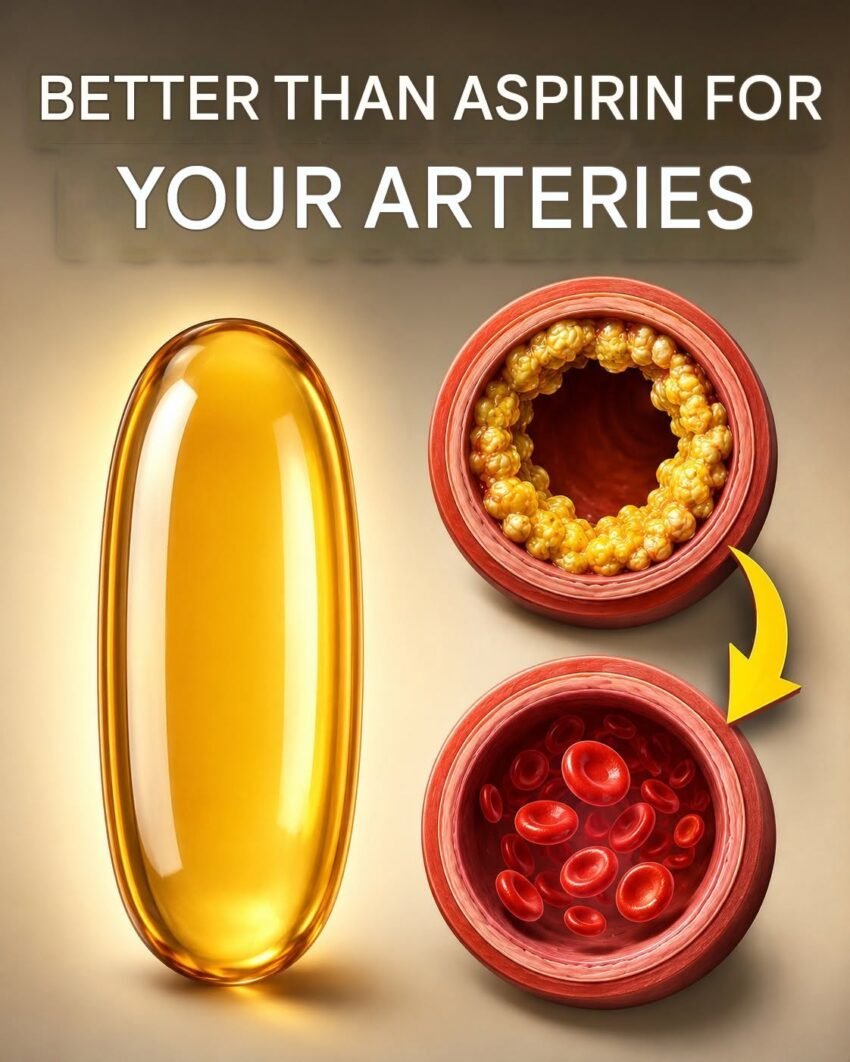
While it is important to start with a medical disclaimer—no single food can magically “clear” or cure clogged arteries (atherosclerosis), and you should always consult a doctor if you have heart disease—diet plays a massive role in preventing and slowing the buildup of arterial plaque.
If we have to crown a “best” natural food for arterial health, most cardiologists and nutritionists point to one specific category: Fatty Fish (like Wild-Caught Salmon).
Here is why fatty fish takes the top spot, followed by several other heavy hitters you should include in your diet.
1. The Overall Best: Fatty Fish (Salmon, Mackerel, Sardines)
Clogged arteries are driven by inflammation, high triglycerides, and oxidized LDL (“bad”) cholesterol. Fatty fish is packed with Omega-3 fatty acids (EPA and DHA).
-
Why it works: Omega-3s drastically lower triglycerides, reduce systemic inflammation in the blood vessels, and help prevent blood platelets from clumping together. Studies show that people who eat fatty fish regularly have a significantly lower risk of developing arterial plaque and suffering from heart attacks.
-
How to eat it: Aim for 2–3 servings per week. Baking or grilling is better than deep-frying. If you don’t eat fish, a high-quality algae-based omega-3 supplement is a good alternative.
2. The Best “Scrub Brushes”: Soluble Fiber (Oats, Beans, and Barley)
If you want to physically remove the building blocks of artery plaque from your body, you need soluble fiber.
-
Why it works: Your liver uses cholesterol to make bile acids (which help you digest fat). Soluble fiber binds to these bile acids in your gut and drags them out of your body in your stool. To make more bile acids, your liver has to pull LDL (“bad”) cholesterol out of your bloodstream.
-
Top choices: Steel-cut oats, black beans, lentils, chickpeas, barley, and apples.
3. The Best “Anti-Inflammatory”: Extra Virgin Olive Oil (EVOO)
A staple of the Mediterranean Diet, which is clinically proven to reduce cardiovascular events.
-
Why it works: EVOO is rich in polyphenols and monounsaturated fats. These compounds protect the LDL cholesterol in your blood from oxidizing. (Oxidized LDL is the exact type of cholesterol that sticks to arterial walls and forms plaque).
-
How to eat it: Use it as your primary cooking oil or drizzle it raw over salads and soups.
4. The Best Nitrate Boosters: Leafy Greens & Beets
Arteries need to be flexible and able to widen to accommodate blood flow.
-
Why they work: Spinach, arugula, kale, and beets are incredibly high in dietary nitrates. Your body converts these nitrates into nitric oxide, a gas that signals the smooth muscles of your arteries to relax and expand. This lowers blood pressure and reduces the friction and damage that leads to plaque buildup.
5. The Best Spice: Turmeric (with Black Pepper)
-
Why it works: The active compound in turmeric is curcumin, one of the most potent natural anti-inflammatory agents ever studied. Because arterial plaque is fundamentally an inflammatory disease, reducing vascular inflammation is key. Black pepper contains piperine, which increases your absorption of curcumin by up to 2,000%.
Foods to Avoid (Just as important as what you eat)
To give these natural foods a chance to work, you must stop actively promoting plaque buildup. Try to limit or eliminate:
-
Trans fats: Found in some commercial baked goods, fried foods, and shelf-stable pastries (check for “partially hydrogenated oils”).
-
Refined Sugars and Carbs: White bread, soda, and pastries spike blood sugar, which triggers inflammation in the arteries.
-
Excess Alcohol: More than 1-2 drinks a day can raise blood pressure and triglycerides.
The Bottom Line
There is no “magic bullet” single food. The best way to prevent or slow clogged arteries is a synergistic dietary pattern: eating fatty fish, a rainbow of vegetables, beans, whole grains, and olive oil, while cutting out processed junk food. Combined with regular exercise and not smoking, this is the most powerful natural “cleanse” for your cardiovascular system.