
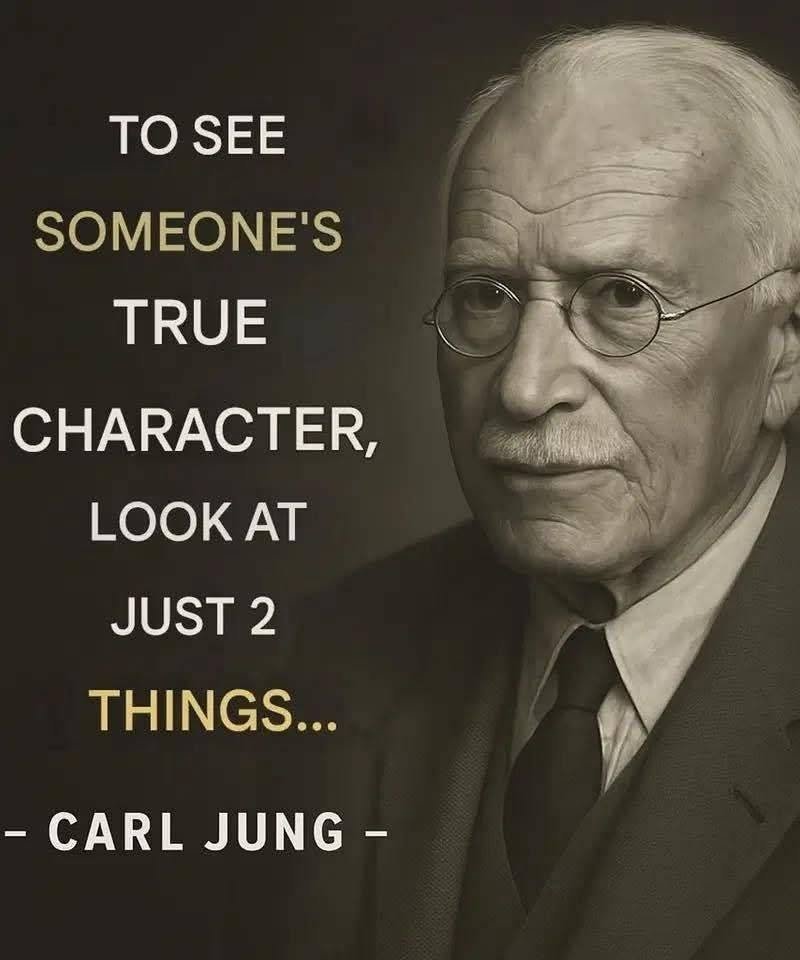
Most advice points to how someone treats waiters or what they do during a crisis, but those are situational and can be performed. These two things are harder to fake because they’re built into everyday, unguarded patterns.
1. How They Talk About People Who Are of No Use to Them
This is the single most reliable character test. Listen to how someone speaks about:
-
The coworker who is lower in the hierarchy and can’t help their career.
-
The elderly relative who is confused and repetitive and offers no stimulating conversation.
-
The “loser” friend from high school who never amounted to much.
-
The ex they no longer have anything to gain from.
What to listen for: Do they speak with contempt, dismissal, or mockery? Or do they show basic respect, a recognition of shared humanity, and the ability to describe someone’s struggles without superiority?
Why it’s so revealing: When there is no social or material reward for kindness—when the person being discussed will never know what was said and couldn’t repay it if they did—the only motivation for speaking well of them is internal character. The contemptuous talker is revealing that their respect is purely transactional. They will eventually talk about you the same way when you no longer serve a purpose in their life.
2. How They Receive a Completely Consequential “No”
Not a no to something trivial, like a restaurant choice. A no to something that genuinely affects them.
Examples:
-
They ask to borrow a significant amount of money, and you say no.
-
They want you to lie for them, and you decline.
-
They expect you to betray a personal boundary to accommodate them, and you hold the line.
What to watch for: Do they accept the boundary with grace, even if disappointed? Or do they punish you—with coldness, guilt, retaliation, whispered character attacks to others, or by making you regret ever setting the limit?
Why it’s so revealing: Everyone is pleasant when their wishes are granted. The response to a legitimate, well-delivered “no” separates the emotionally mature from the manipulative. A person who cannot respect a boundary without exacting a penalty does not see you as a separate, sovereign person. They see you as an extension of their own needs.
What Not to Be Fooled By
Many people mistake these for character, but they’re just personality or skill:
-
Charm and charisma: A dazzling personality can mask deep selfishness. Many predatory individuals are exceptionally charming—that’s the tool, not the soul.
-
How they treat peers or superiors: Everyone is on their best behavior when they want something or with people they consider equals. That’s just social intelligence.
-
Grand gestures: The showy gift, the sweeping apology, the dramatic rescue. These can be sincere, but they’re also the easiest things to weaponize for image management. Real character lives in the small, unrewarded moments.
The first sign—how they speak about the useless person—tells you about their private moral compass. The second—how they receive a no—tells you about their capacity for real relationship, which requires two distinct people, not one person serving another’s script.
Does this clarify something you’ve observed in someone recently?