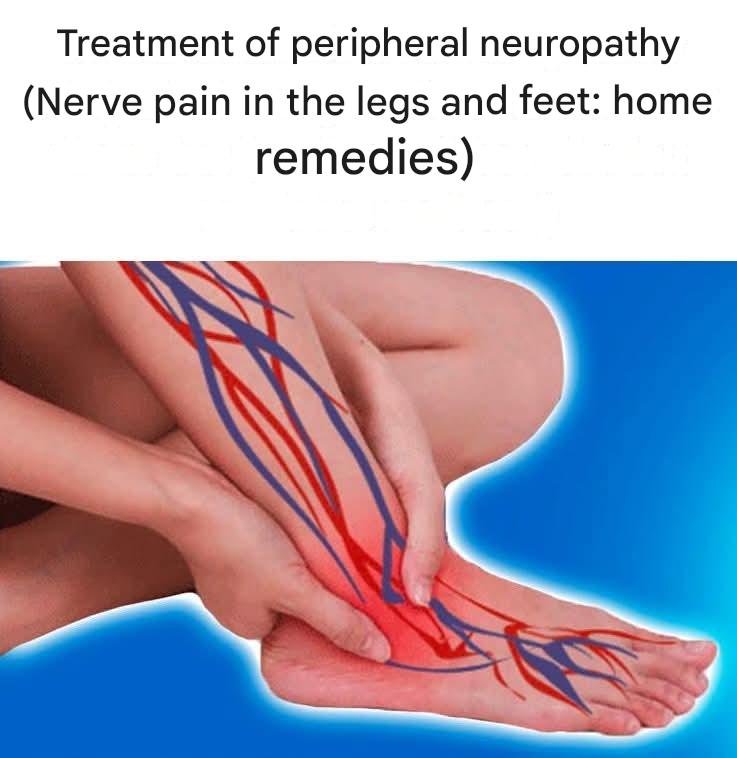
Peripheral neuropathy in the legs and feet can be challenging, but several home remedies and lifestyle adjustments may help manage the pain, improve function, and protect your feet.
However, it is critical to see a doctor first to identify the underlying cause (such as diabetes, vitamin deficiency, or autoimmune issues), as treating the root condition is the most important step.
Here are evidence-based home remedies and self-care strategies:
1. Pain and Sensation Management (Topical & Physical)
Temperature Therapy
-
Warm bath with Epsom salts: Soaking in warm (not hot) water can relax muscles and the magnesium in Epsom salts may help soothe pain. Caution: Test water temperature with your hand, not your foot, if you have reduced sensation.
-
Cold packs: If you have a burning sensation, applying a cold pack wrapped in a cloth for 15–20 minutes can temporarily numb the area.
Topical Treatments
-
Capsaicin cream: Derived from chili peppers, this cream depletes substance P, a pain-signaling chemical. Apply 0.075% cream 3–4 times daily. Expect a temporary burning sensation initially, and wash hands thoroughly after use to avoid getting it in your eyes.
-
Lidocaine patches: Over-the-counter 4% lidocaine patches can numb localized areas of pain.
-
Essential oils: Massaging feet with diluted peppermint, lavender, or eucalyptus oils (3–5 drops in 1 tablespoon of carrier oil like coconut or almond oil) may provide a cooling, distracting sensation. A gentle massage itself also improves circulation.
2. Nutritional Support (If Deficiency is a Factor)
-
B Vitamins: Especially B12 (methylcobalamin), B6, and B1 (benfomaxine). Deficiencies are a common cause. Good food sources include meat, fish, eggs, and fortified cereals. *Note: Excessive B6 (over 100mg/day) can actually cause neuropathy, so stick to recommended amounts unless prescribed.*
-
Alpha-lipoic acid (ALA): This antioxidant has shown promise in reducing neuropathic pain and numbness in several studies, especially in diabetic neuropathy. It’s available in foods like spinach and broccoli, but supplements provide a more concentrated dose.
-
Magnesium & Potassium: These minerals are crucial for nerve conduction. Eat bananas, dark leafy greens, avocado, and nuts.
3. Daily Habits for Safety and Comfort
-
Daily foot checks: Neuropathy often causes numbness. Inspect your feet every day for cuts, blisters, redness, or swelling using a mirror or help from someone else, as you may not feel an injury.
-
Proper footwear: Wear well-cushioned, roomy shoes to avoid pressure points. Never walk barefoot, even indoors, to prevent injury.
-
Loose-fitting socks: Diabetic or neuropathy socks that are seamless and non-constricting can prevent irritation and improve blood flow.
4. Physical Activity and Movement Therapies
Regular, moderate activity boosts circulation and releases endorphins (natural painkillers).
-
Leg-based exercises: Seated marches, ankle circles, and recumbent biking promote blood flow without heavy impact.
-
Balance training: If numbness affects balance, hold onto a chair and practice standing on one leg or doing heel-to-toe walks in a safe environment.
-
Acupuncture: Many people find significant pain relief with acupuncture, and it is recommended by some national guidelines as a complementary treatment for neuropathy.
5. Lifestyle and Stress Reduction
-
Limit alcohol: Alcohol is a well-known nerve toxin and a direct cause of neuropathy. Reducing or eliminating it can prevent progression.
-
Quit smoking: Smoking severely impairs circulation, particularly in the small blood vessels that feed nerves in the feet.
-
Stress management: Chronic pain worsens with stress. Deep breathing, meditation, and gentle yoga can lower the perception of pain.
When to See a Doctor Immediately
Home remedies are supportive, not curative. Seek medical attention if you notice:
-
A foot wound, blister, or ulcer that isn’t healing.
-
Signs of infection (redness, pus, warmth, swelling).
-
Sudden worsening of numbness or a rapid increase in pain.
-
Frequent falls or difficulty walking.