
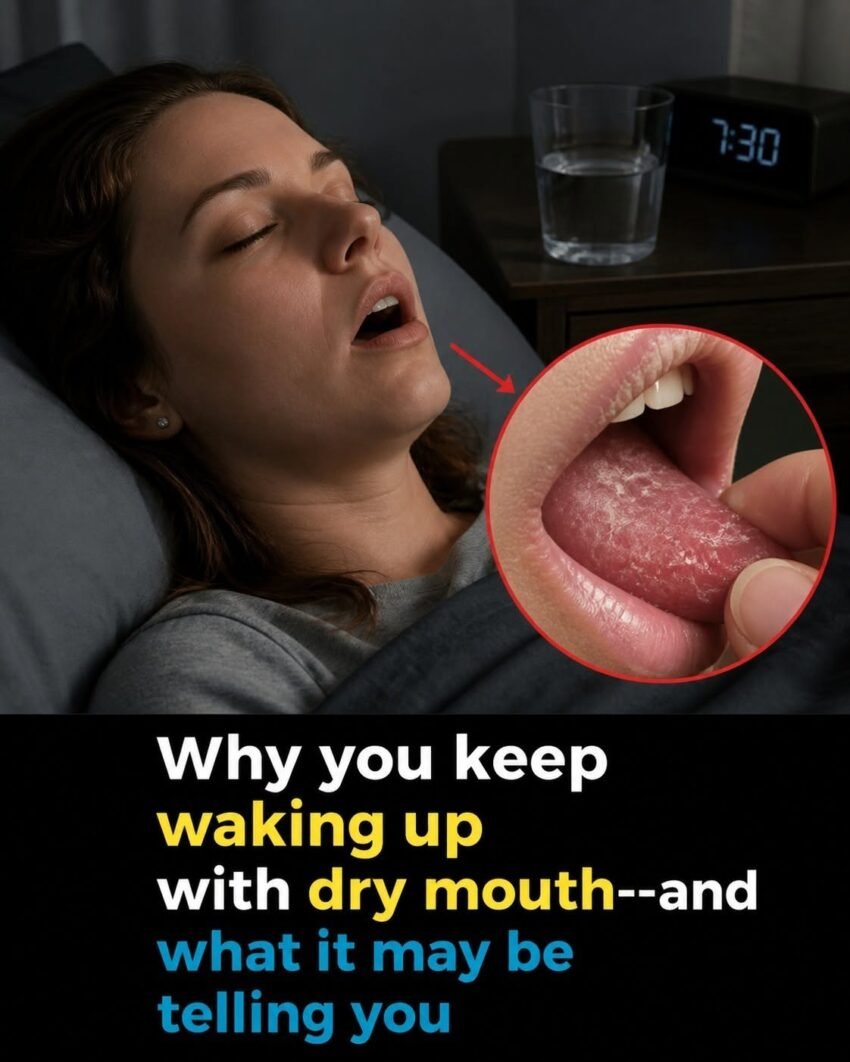
Waking up with a dry mouth—technically called xerostomia—is more than just an uncomfortable feeling. It’s often a signal from your body that something is off, ranging from simple habits to health conditions that need attention.
Here’s a breakdown of what your body might be telling you, starting with the most common culprits.
1. The Obvious but Overlooked: Mouth Breathing & Snoring
This is the number one cause. If your nose is even slightly stuffy, your body automatically switches to mouth breathing while you sleep. The rushing air evaporates saliva and dries out your oral tissues.
-
What to check: Do you often wake up with a sore throat or a hoarse voice too? Ask a partner if you snore.
-
The fix: Try a saline nasal rinse before bed, consider a humidifier in your bedroom, or use nasal strips to open your passages. If chronic, it could point to a deviated septum or sleep apnoea.
2. Dehydration, Plain and Simple
You might simply not be drinking enough water during the day, or you’re losing too much fluid.
-
What to check: Is your urine dark yellow in the morning? Did you have alcohol or a very salty meal the night before? Both are profoundly dehydrating.
-
The fix: Drink a full glass of water an hour or so before bed (allowing time to use the bathroom), and obviously rehydrate first thing. Avoid alcohol right before sleep.
3. Medication Side Effects
Over 400 medications list dry mouth as a side effect. If you take any regular medicine, this is a strong possibility.
-
Common offenders: Antihistamines (allergy meds), decongestants, blood pressure medications, antidepressants, and muscle relaxants.
-
The fix: Never stop a prescribed medication. Instead, talk to your doctor about potential dosage adjustments, a different formulation, or specific ways to manage the side effect (like prescription saliva stimulators).
4. Blood Sugar Speaking Loudly (Diabetes)
Persistent, unexplained dry mouth is a classic early warning sign of high blood sugar, both in undiagnosed diabetes and poorly managed existing diabetes. The excess glucose pulls fluid from your tissues, making you dehydrated and your mouth parched, often with frequent urination.
-
What to check: Is the dry mouth paired with excessive thirst (polydipsia), blurry vision, fatigue, or slow-healing cuts?
-
The fix: This is a non-negotiable signal to see a doctor for a blood sugar test.
5. An Autoimmune Signal (Sjögren’s Syndrome)
If dry mouth and extremely dry eyes (gritty, burning sensation) have persisted for months with no other explanation, your immune system might be attacking the glands that produce saliva and tears. This is Sjögren’s syndrome, which often accompanies other autoimmune conditions like rheumatoid arthritis.
-
The fix: A rheumatologist can diagnose this with specific blood tests and sometimes a lip biopsy.
6. The Stress-Hormone Connection
High cortisol from chronic stress or anxiety can dramatically reduce saliva production, shifting your body into “fight-or-flight” mode where digestion (starting with saliva) is shut down.
-
What to check: Do you clench your jaw or grind your teeth (bruxism)? An aching jaw in the morning alongside dry mouth strongly points to stress-related mechanisms.
-
The fix: Jaw relaxation exercises before sleep, magnesium supplements (consult a doctor), and a wind-down routine.
Immediate Relief & Protection
While you’re figuring out the root cause, protect your teeth and comfort. Saliva is your mouth’s natural cleanser; without it, cavity and gum disease risk skyrockets.
-
Overnight: Use an alcohol-free mouthwash or a Xylitol-based oral gel or lozenge specifically made for dry mouth. Stick them between your cheek and gum; they slowly dissolve and stimulate saliva.
-
Hydration hack: Sip water frequently, not just gulping it. A squeeze of lemon can help stimulate those glands.
-
Breathe better: A cool-mist humidifier by your bed is a simple, effective fix.
If it’s been happening almost every morning for more than a couple of weeks and simple hydration doesn’t help, it’s time for a doctor or dentist visit. They can run tests to catch anything from vitamin deficiencies to sleep apnoea early.
Would you like more detail on any of these specific causes, such as the link between dry mouth and diabetes or a deeper dive into Sjögren’s?