
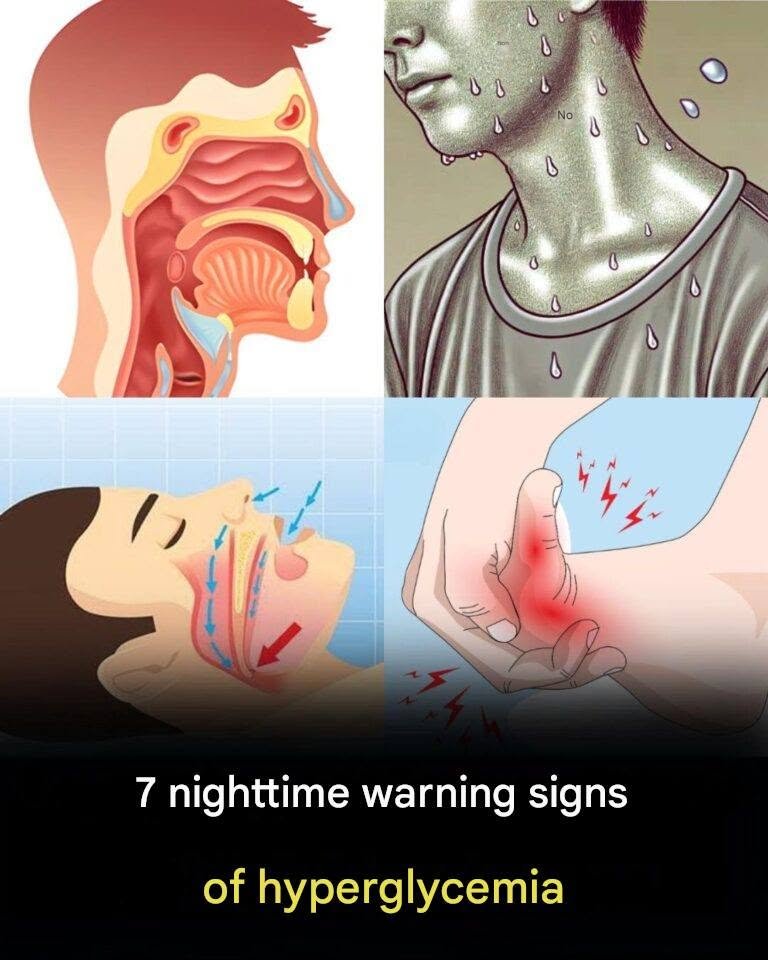
High blood sugar (hyperglycemia) is often called a “silent” condition because it can creep up slowly over months or even years without causing dramatic, obvious symptoms. However, your body does send out warning signals when there is too much glucose circulating in your bloodstream.
Catching these signs early is crucial. Untreated high blood sugar can lead to insulin resistance, Type 2 Diabetes, nerve damage, vision loss, and heart disease.
Here are the early and advanced warning signs of high blood sugar:
1. The “Three P’s” (The Classic Triad)
These are the hallmark symptoms that doctors look for when diagnosing diabetes or hyperglycemia:
-
Polyuria (Frequent Urination): When there is too much sugar in your blood, your kidneys kick into overdrive to filter and flush it out of your body. This forces you to urinate much more frequently than usual, especially waking up multiple times during the night to pee.
-
Polydipsia (Extreme Thirst): Because you are losing so much fluid through frequent urination, your body becomes dehydrated. Your brain triggers an intense, unquenchable thirst to try and replace the lost water. You may find that no matter how much water you drink, your mouth still feels dry.
-
Polyphagia (Excessive Hunger): Even if you are eating full meals, your cells are starving. Because insulin is either lacking or not working properly, the glucose cannot enter your cells to be used for energy. Your body interprets this as a lack of food, sending signals to your brain to eat more.
2. Persistent Fatigue and Low Energy
If you feel exhausted after a meal, or you are dragging through the day despite getting enough sleep, it could be a blood sugar issue. When your cells cannot access the sugar in your blood, they are deprived of their primary fuel source. The result is a heavy, “hit-by-a-truck” feeling of constant tiredness and brain fog.
3. Unexplained Weight Loss
Losing weight without trying might sound great, but it is a major red flag. If your cells aren’t getting glucose for energy, your body panics and starts burning stored fat and muscle for fuel instead. This often happens rapidly and is especially common in individuals with undiagnosed Type 1 diabetes, though it can occur in Type 2 as well.
4. Blurred Vision
High sugar levels cause the lenses in your eyes to swell with fluid. This changes the shape of the lens, making it difficult for your eyes to focus. You might notice your vision is fuzzy, or that your eyeglasses prescription suddenly seems “off.” (If left untreated long-term, high sugar can permanently damage the blood vessels in the retina).
5. Dark Skin Patches (Acanthosis Nigricans)
This is a highly visible warning sign of insulin resistance. It appears as dark, velvety, thickened patches of skin, typically found in the folds and creases of the body—most commonly on the back of the neck, the armpits, or the groin. It is a physical sign that your insulin levels are abnormally high.
6. Tingling or Numbness in Hands and Feet
Chronically high blood sugar is toxic to nerve endings (a condition called diabetic neuropathy). It usually starts in the extremities furthest from the heart. You might feel a “pins and needles” sensation, burning, or complete numbness in your toes, feet, or fingers.
7. Slow-Healing Wounds and Frequent Infections
High sugar impairs your immune system and damages your blood vessels, which slows down circulation. This means minor cuts, scrapes, and bruises take weeks instead of days to heal. You may also notice you are getting more frequent infections—especially yeast infections (in both men and women), urinary tract infections (UTIs), or gum infections.
8. Itchy, Dry Skin
Because hyperglycemia pulls fluid out of your tissues to help create urine, your skin can become severely dehydrated. This leads to chronic itching, flaking, and cracking, particularly on the legs and feet.
9. Irritability and “Hangriness”
Wild swings in blood sugar directly impact your mood. When your glucose is high, you might feel lethargic, confused, or highly irritable. When it inevitably crashes after a massive insulin spike, you may experience sudden anxiety, shakiness, and anger.
When to See a Doctor Immediately
If high blood sugar is left unchecked, it can progress into a medical emergency called Diabetic Ketoacidosis (DKA) or Hyperosmolar Hyperglycemic State (HHS). Go to an emergency room if you experience:
-
Fruity-smelling breath (a sign your body is burning dangerous ketones for fuel).
-
Nausea, vomiting, or severe abdominal pain.
-
Rapid, deep breathing or shortness of breath.
-
Confusion, disorientation, or feeling like you might pass out.
How to Check
If you are experiencing several of these signs, the fastest way to know is to use a basic blood glucose monitor (available at any pharmacy) or ask your doctor for a fasted blood sugar test (Fasting Plasma Glucose). A normal fasting level is generally under 100 mg/dL; a reading of 126 mg/dL or higher on two separate tests indicates diabetes.