
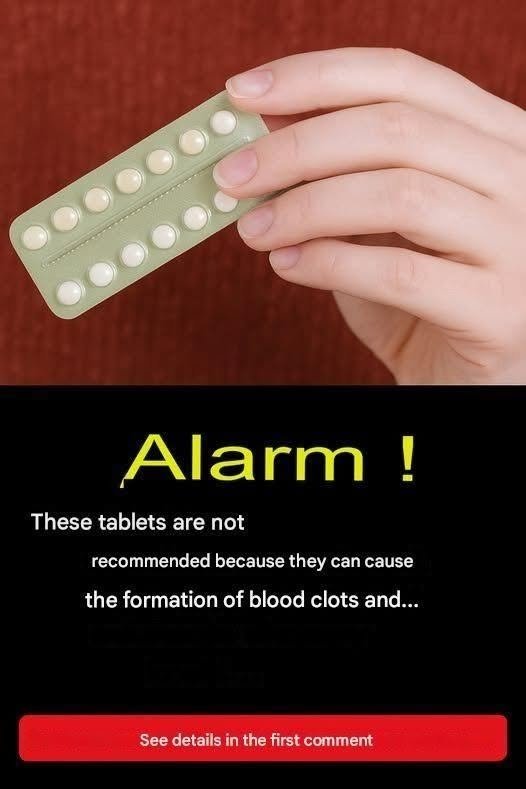
Referring to a warning associated with hormonal medications. While many different types of medications can carry a risk of blood clots (thromboembolism), the phrasing “these tablets” is most commonly used in patient information leaflets for:
-
Combined Hormonal Contraceptives (CHC): Birth control pills containing both estrogen and progestin (e.g., Yasmin, Yaz, Microgynon, etc.) carry a well-documented, albeit small, increased risk of developing blood clots (deep vein thrombosis, pulmonary embolism, or stroke).
-
Hormone Replacement Therapy (HRT): Tablets containing estrogen, often used for menopause symptoms, also carry an increased risk of blood clots, especially in the first year of use.
-
Antifibrinolytic drugs: Medications like tranexamic acid (used to stop heavy bleeding) are generally not recommended for people with a history of blood clots, as they prevent the body from breaking down existing clots.
-
Certain Cancer or Psychiatric Medications: Some targeted therapies (like thalidomide or lenalidomide) used for multiple myeloma, or some older antipsychotics, carry a higher risk of venous thromboembolism (VTE).
What to do if you are concerned:
-
Do not stop taking medication suddenly without speaking to a healthcare professional first, as stopping some medications abruptly can have immediate consequences.
-
Know the warning signs of a blood clot:
-
Unilateral swelling, warmth, redness, or pain in a leg (Deep Vein Thrombosis).
-
Sudden shortness of breath, sharp chest pain that worsens with deep breaths, or coughing up blood (Pulmonary Embolism).
-
Sudden severe headache, vision changes, or weakness on one side of the body (Stroke).
-
-
Discuss risk factors with your doctor. The absolute risk of a blood clot from hormonal medication is usually very low for healthy, non-smoking individuals under 35, but increases significantly if you smoke, are overweight, have a family history of clots, or are over 35.