
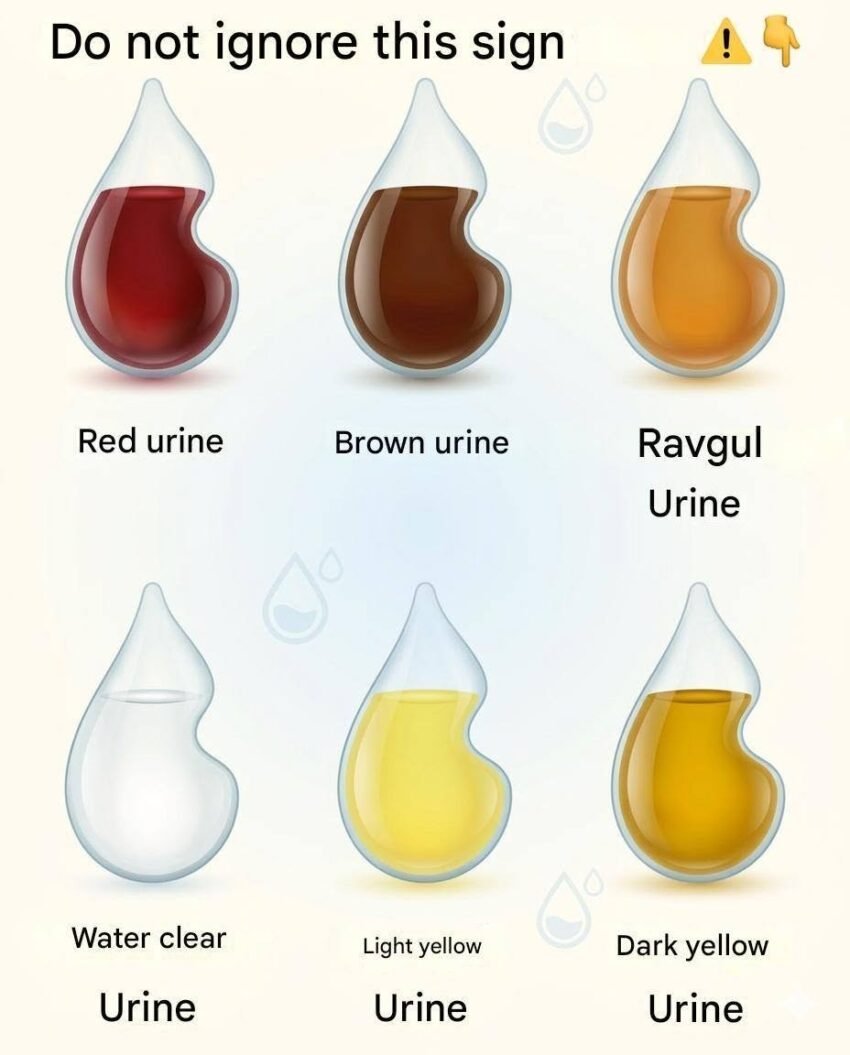
Urine color is a daily, real-time report card from your kidneys and body. It’s one of the simplest health indicators you can monitor.
Here’s a spectrum of what different urine colors can tell you, from ideal to “call a doctor now.”
The Hydration Spectrum (Normal)
-
Pale Straw to Transparent Yellow: This is the gold standard. You are well-hydrated, and your kidneys are happily diluting the waste products (specifically a pigment called urochrome) to flush them out.
-
Dark Yellow: You’re mildly dehydrated. The urochrome pigment is more concentrated because your kidneys are conserving water. This is a signal to drink a glass or two of water soon.
-
Amber or Honey: You are significantly dehydrated. Your urine is highly concentrated. Your body is desperately holding onto fluid. Drink water immediately.
The Food, Drug, and Chemical Rainbow (Usually Benign)
-
Bright/Neon Yellow: This is almost always a harmless side effect of high-dose B vitamins, particularly B2 (riboflavin) and B12. Your body flushes out the excess it doesn’t need, creating that highlighter-yellow hue.
-
Orange: Certain medications can cause this, such as the UTI painkiller phenazopyridine (brand name AZO), the tuberculosis antibiotic rifampin, or some laxatives. It can also come from eating a lot of carrots or taking beta-carotene supplements. Always confirm with your prescription’s side-effect label.
-
Blue or Green: This is rare and shocking but often harmless. It can be caused by food dyes (especially in sweets or drinks), the antidepressant amitriptyline, the anesthetic propofol, or a medication called methylene blue. A rare genetic condition called familial benign hypercalcemia can also cause blue urine in children.
-
Dark Brown or “Coca-Cola”: This is a warning to check against the dangerous causes below, but first, consider food. Eating massive amounts of fava beans, rhubarb, or aloe can cause this. It’s also a classic side effect of certain antimalarial drugs and some antibiotics.
The Danger Zone: Colors That Signal a Problem
Pink to Red
This always warrants a medical investigation. Blood in the urine (hematuria) is never normal. Causes range from benign to serious:
-
Benign Causes: Strenuous exercise (runner’s bladder), menstrual contamination, or eating deeply pigmented beetroot (“beeturia”).
-
Medical Causes: Urinary tract infection (UTI), kidney stones, or an enlarged prostate. More seriously, it can be a visible sign of kidney disease (glomerulonephritis), or a tumor in the bladder or kidney. Painless, visible blood is a classic warning sign for bladder cancer and must never be ignored.
Dark Brown or Tea-Colored (No Food Link)
If you can rule out diet, this is a major red flag. It can indicate severe dehydration that’s starting to damage the kidneys. More critically, it can mean:
-
Rhabdomyolysis: A life-threatening breakdown of muscle tissue, often from a crush injury or extreme workout, which releases a protein that poisons the kidneys.
-
Liver Disease: An inflamed liver (hepatitis) or cirrhosis can cause dark urine from bilirubin, often accompanied by pale stools and jaundice (yellow skin).
Cloudy or Murky
Urine that isn’t clear and looks hazy is a strong indicator of an infection. The cloudiness comes from white blood cells (pus) and bacteria. It’s usually accompanied by a strong odor and a burning sensation when you pee. It can also be a sign of kidney stones or, rarely, the body flushing out an excess of certain nutrients.
A Critical Caveat: The “Clear” Deception
We touched on this before, and it’s vital. The goal is pale straw yellow, not completely clear as water. If your urine is consistently and crystal-clear, and you’re not a compulsive water drinker (1.5+ gallons a day), it could mean your kidneys have lost their concentrating ability. They are letting water pass straight through without filtering out waste. The waste is staying in your blood. This is a subtle but dangerous sign of kidney damage.
Bottom Line: Use urine color as a quick hydration gauge, but never diagnose yourself based on a single color change. If you see persistent pink, red, or dark brown urine that can’t be explained by food, or if you have cloudy urine with pain, see a doctor for a simple urinalysis. It’s one of the oldest and most valuable tests in medicine.