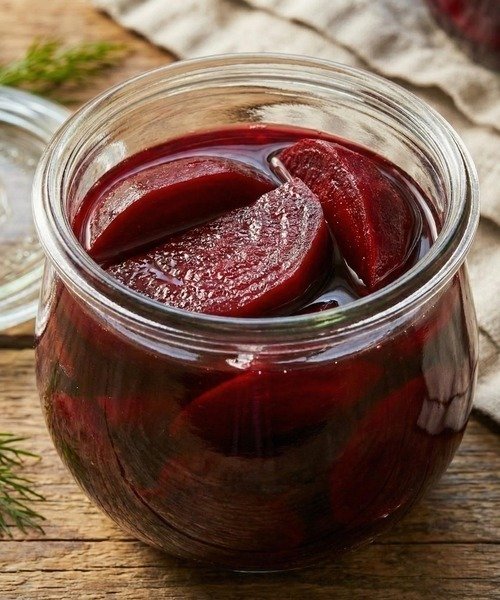
The Beetroot Boost: What Eating Beets Can Do for Your Body, According to Experts
Beetroots, often simply called beets, are a nutritional powerhouse that experts widely praise for their wide-ranging health benefits. Here’s a breakdown of what science and nutrition professionals say about incorporating beets into your diet.
Key Nutritional Profile
Beets are rich in:
-
Dietary nitrates (convert to nitric oxide in the body)
-
Betaine (a phytochemical)
-
Folate, manganese, potassium, iron, and vitamin C
-
Fiber and antioxidants (betalains, which give beets their vibrant color)
Evidence-Based Health Benefits
1. Enhances Athletic Performance & Stamina
-
How: Dietary nitrates → nitric oxide → improved blood flow and oxygen delivery to muscles.
-
Expert Finding: Studies show consuming beetroot juice 2–3 hours before exercise can increase endurance, reduce perceived exertion, and improve efficiency, especially in high-intensity and endurance activities.
2. Supports Heart Health
-
How: Nitric oxide helps relax and dilate blood vessels, supporting healthy blood pressure levels.
-
Expert Finding: Regular beet consumption is linked to modest reductions in systolic and diastolic blood pressure, thanks to its nitrate content and potassium.
3. Promotes Brain Health & Cognitive Function
-
How: Improved cerebral blood flow from nitrates may enhance oxygen delivery to the brain.
-
Expert Finding: Research suggests beets may help maintain cognitive function, especially in frontal lobe areas related to executive function, potentially offering neuroprotective benefits as we age.
4. Anti-Inflammatory & Antioxidant Effects
-
How: Betalain pigments have strong anti-inflammatory and antioxidant properties, helping combat oxidative stress.
-
Expert Finding: Regular intake may lower markers of inflammation (like CRP) and support liver health by reducing oxidative damage.
5. Supports Digestive Health
-
How: High fiber content (especially in whole beets) promotes regular bowel movements and supports gut microbiome diversity.
-
Expert Finding: Nutritionists highlight beets as a prebiotic food, feeding beneficial gut bacteria.
6. May Aid Detoxification
-
How: Betaine supports liver function and phase two detoxification pathways.
-
Expert Finding: While not a “detox miracle,” beets provide nutrients that assist the body’s natural detox processes.
How Experts Suggest Enjoying Beets
-
Raw: Grated into salads or slaws.
-
Juiced: Fresh beet juice (often mixed with apple/carrot).
-
Roasted: Enhances natural sweetness.
-
Pickled: Fermented beets offer probiotic benefits.
-
Supplement: Beetroot powder or capsules for concentrated nitrates.
Important Considerations
-
Beeturia: Red/pink urine or stool after eating beets is harmless (affects ~10-15% of people).
-
Kidney Stones: Beets are high in oxalates; those prone to oxalate-type kidney stones should moderate intake.
-
Medication Interaction: Consult a doctor if on blood pressure medication, as beets may enhance effects.
-
Sugar Content: Beets are moderately high in natural sugars; balance is key, especially for juiced forms.
The Expert Consensus
Nutritionists, dietitians, and sports scientists agree: incorporating beets into a balanced diet can provide a meaningful “boost” to cardiovascular function, exercise performance, and overall wellness. They emphasize whole food forms over processed supplements for maximum benefit.
Simple Takeaway: For a natural, evidence-backed edge in heart health, stamina, and inflammation control, the humble beetroot is a vibrant, versatile, and potent addition to your plate.