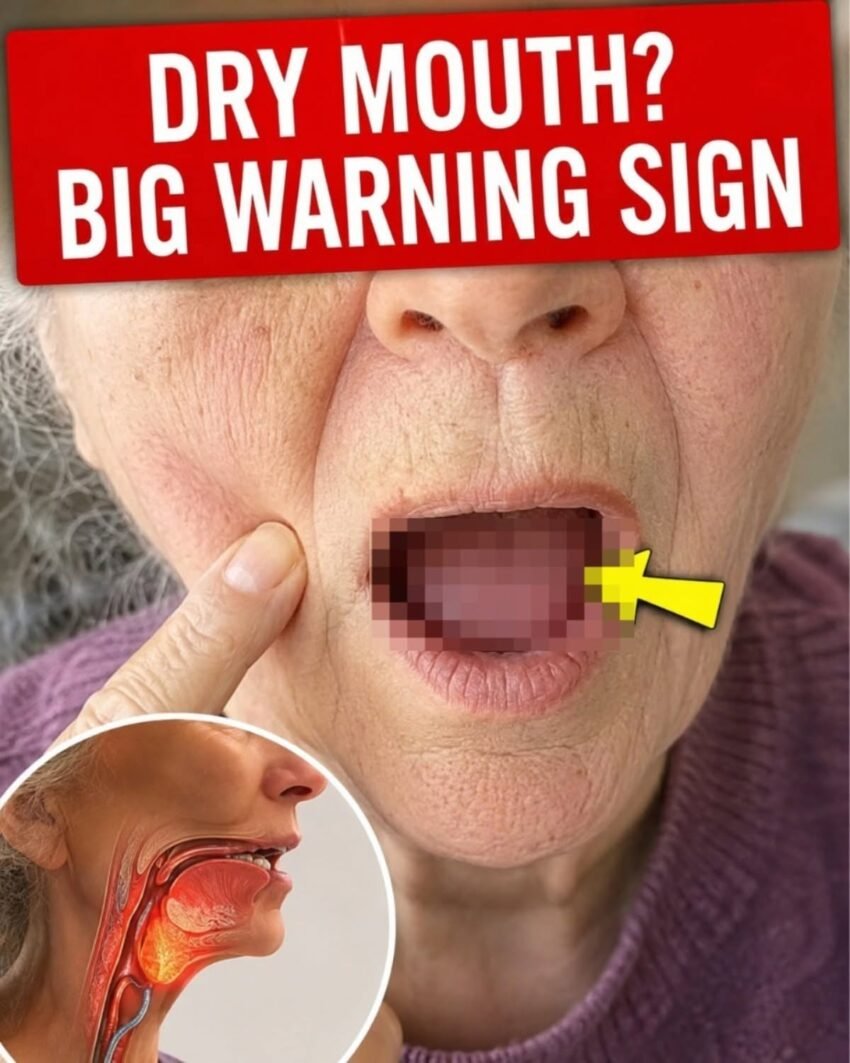
Dry mouth (xerostomia) is not a normal part of aging. While it becomes more common as people get older, it’s almost always due to underlying causes—medications, medical conditions, or lifestyle factors—not aging itself. The salivary glands don’t simply “wear out” with time.
When saliva production significantly decreases, it’s a serious issue that goes far beyond discomfort. Saliva is your mouth’s natural defense system, and without enough of it, you’re at risk for a cascade of problems.
Why Saliva Matters More Than You Think
Saliva isn’t just moisture. It performs critical functions every second of the day:
-
Neutralizes acids produced by bacteria, protecting enamel from decay
-
Washes away food particles and debris
-
Contains enzymes that begin digestion the moment food enters your mouth
-
Fights bacteria and fungi with natural antimicrobial compounds
-
Enables speaking, chewing, and swallowing comfortably
-
Keeps dentures in place by creating a suction seal
When it dries up, the consequences are rapid: rampant tooth decay (especially at the gumline), fungal infections like oral thrush, cracked lips, a burning tongue, difficulty swallowing, and chronic bad breath.
The Real Causes Behind Saliva Shutting Down
1. Medications (The #1 Culprit)
Over 500 medications list dry mouth as a side effect. The most common offenders:
-
Antihistamines and decongestants
-
Blood pressure medications (especially beta-blockers and diuretics)
-
Antidepressants and anti-anxiety medications
-
Muscle relaxants and pain medications
-
Bladder control drugs
Many older adults take multiple medications, and the anticholinergic effects add up. This is called “polypharmacy-induced xerostomia,” and it’s often completely reversible if medications can be adjusted by a doctor.
2. Medical Conditions
-
Sjögren’s syndrome: An autoimmune disease where the body attacks its own moisture-producing glands. Dry eyes and dry mouth are the hallmark symptoms. It’s dramatically underdiagnosed, especially in women.
-
Diabetes: High blood sugar causes frequent urination and dehydration, directly reducing saliva. Diabetes also damages the tiny blood vessels that feed salivary glands.
-
Radiation therapy: Head and neck radiation for cancer can permanently damage salivary glands, sometimes reducing flow to near zero.
-
Sleep apnea: Mouth breathing during sleep and CPAP machines that aren’t well-humidified cause severe overnight dryness.
3. Chronic Mouth Breathing
Whether from nasal congestion, a deviated septum, or sleep apnea, breathing through the mouth—especially at night—evaporates saliva rapidly and leaves tissues parched and vulnerable.
4. Dehydration
Simple inadequate fluid intake, often seen in older adults who have a reduced thirst sensation or who deliberately limit fluids due to incontinence concerns.
What Actually Helps (Beyond Sipping Water)
Water alone isn’t enough because it lacks the enzymes, proteins, and lubricating viscosity of real saliva. These evidence-based strategies are far more effective:
Stimulate Your Own Saliva:
-
Xylitol lozenges or gum: Xylitol stimulates saliva flow and simultaneously inhibits cavity-causing bacteria. Use sugar-free only, and look for products with xylitol listed as the first ingredient.
-
Tart flavors: A few drops of lemon juice in water, or sucking on a slice of fresh lemon, triggers an immediate reflexive release of saliva.
Saliva Substitutes and Protectants:
-
Xylimelts: Small dissolving discs that adhere to the gum or teeth and release xylitol and a lubricating agent slowly over hours. They’re designed specifically for overnight use and are a game-changer for people who wake up with a painfully dry mouth.
-
Biotène Oral Rinse or Gel: Formulated with enzymes found in natural saliva. The gel version can be applied directly to the gums and tongue before bed for lasting moisture.
Adjust Your Environment and Habits:
-
Humidifier in the bedroom: A cool-mist humidifier running overnight prevents airway tissues from drying out.
-
Alcohol-free mouthwash: Most commercial mouthwashes contain high amounts of alcohol, which strips moisture. Switch to an alcohol-free formula or simply use a saltwater rinse instead.
-
Nasal breathing retraining: If chronic mouth breathing is the issue, consciously practice breathing through the nose during the day. Some people benefit from gentle mouth taping at night (using a small strip of medical tape vertically over the lips) to encourage nasal breathing, but this should be discussed with a doctor first.
Get to the Root Cause:
-
Medication review: Ask your doctor or pharmacist to review all your medications for dry mouth side effects. Sometimes a simple dose adjustment or switching to a different drug in the same class can resolve the problem.
-
Test for Sjögren’s: If dry mouth is accompanied by persistently dry, gritty eyes, ask your doctor about an ANA blood test and a referral to a rheumatologist.
Dry mouth is a signal, not a sentence. It’s your body telling you something is off—medications, an undiagnosed condition, or a breathing issue. The goal isn’t just to mask the dryness but to find out why it’s happening. In the meantime, protecting your teeth and oral tissues with targeted products is essential, because the damage from chronic dry mouth happens silently and quickly.