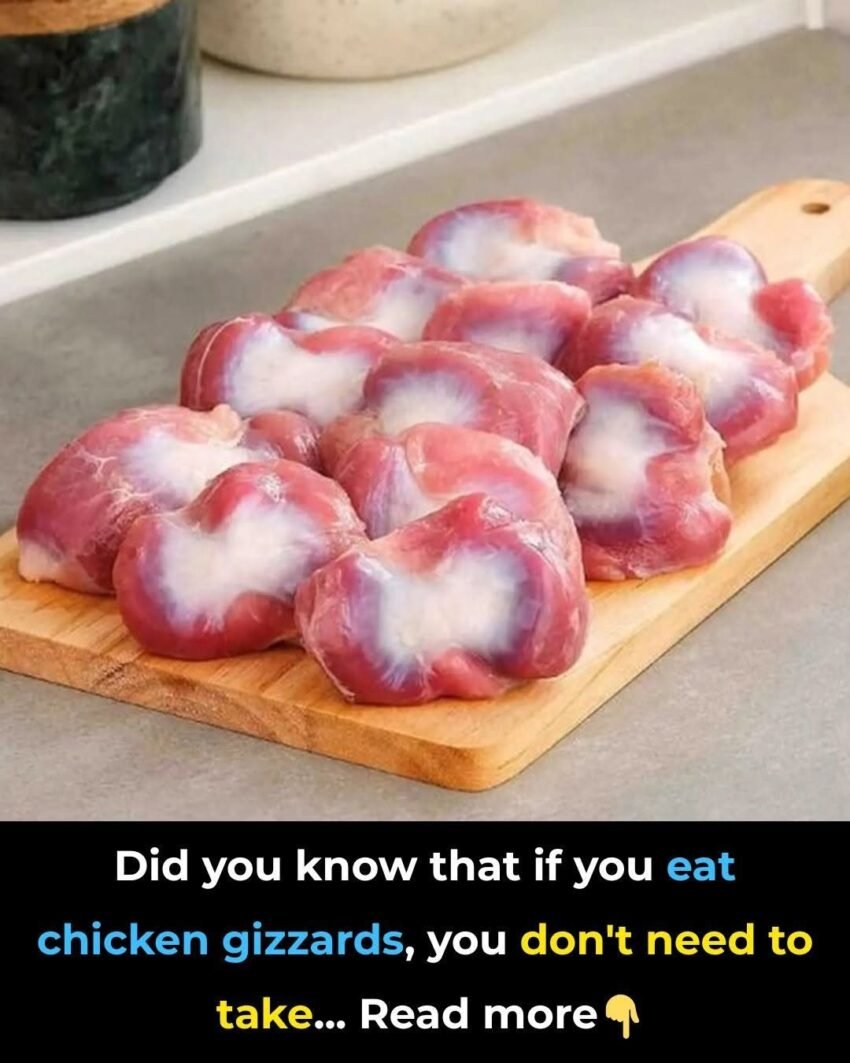
Chicken gizzards are the definition of a nutrient-dense, budget-friendly, “nose-to-tail” ingredient that’s been a staple in Southern cooking, soul food, and global cuisines for generations. They’re finally getting the recognition they deserve.
Chicken Gizzards: The Affordable Protein Powerhouse
What Exactly Is a Chicken Gizzard?
The gizzard is a small, muscular organ that’s part of the chicken’s digestive tract. Because chickens don’t have teeth, they swallow small stones and grit that lodge in the gizzard. The strong muscles then contract to grind down their food. This means it’s a very dense, lean muscle—much like a tiny, dark-meat roast. When cleaned properly and cooked right, it’s incredibly tender and flavorful.
Nutritional Powerhouse (Per 3.5 oz / 100g Cooked)
| Nutrient | Amount | Why It Matters |
|---|---|---|
| Protein | ~30g | Exceptionally high for the calorie count. Builds and repairs every cell. |
| Iron | 2.5mg (14% DV) | High in heme iron, the type most easily absorbed by the body. Excellent for preventing anemia and combating fatigue. This is especially relevant given your question about hands falling asleep—iron-deficiency anemia can cause tingling and numbness. |
| Vitamin B12 | ~1.2mcg (50% DV) | Critical for nerve health, red blood cell formation, and DNA synthesis. B12 deficiency directly causes peripheral neuropathy (numbness and tingling). |
| Zinc | 3mg (27% DV) | Boosts the immune system, helps heal wounds, and supports proper thyroid function. |
| Selenium | ~35mcg (63% DV) | A powerful antioxidant mineral essential for thyroid health and protecting cells from damage. |
| Copper | ~0.2mg (22% DV) | Needed for iron absorption, nerve function, and forming connective tissue. |
| Cholesterol | ~370mg | Higher than muscle meat. Something to be mindful of if you’re specifically managing dietary cholesterol, but the current understanding is that dietary cholesterol has less impact on blood cholesterol for most people than saturated fat. Gizzards are very low in saturated fat. |
The bottom line: Gizzards are a lean, high-protein, iron-and-B12-packed organ meat that supports energy, nerve function, and blood health—at a fraction of the cost of chicken breast or beef.
The Budget Breakdown
-
Average Price: 1.50–1.50–3.00 per pound (compared to 4–4–8 for chicken breast)
-
Where to Find: Most grocery stores carry them in the poultry section, often in 1–2 lb tubs. They’re also common at international markets, butcher shops, and farmers’ markets.
-
What You Get: Very little waste. There are no bones, very little fat to trim, and minimal shrinkage during cooking. You’re paying for nearly 100% edible, dense meat.
How to Clean Chicken Gizzards (The Crucial First Step)
Most gizzards sold in U.S. grocery stores are already cleaned, but you’ll often find some still have the tough, yellow-green inner lining (the actual grinding membrane). Here’s how to prep them:
-
Inspect: Rinse the gizzards under cold water.
-
Slice and Peel: If you see a tough, yellowish, pebbly-textured skin on one side, simply slice it off with a sharp knife and peel it away. It pulls off fairly easily.
-
Trim: Cut away any large, tough connective tissue or silvery membrane.
-
Optional Soak: For extra tenderness and to mellow the flavor, soak the cleaned gizzards in buttermilk or salted water with a splash of vinegar for 1–2 hours in the fridge. Pat dry before cooking.
The Two Golden Rules for Tender Gizzards
Because the gizzard is a constantly-working muscle, it’s naturally tough. You have two paths to tenderness:
| Method | How It Works | Best For |
|---|---|---|
| Low and Slow (Braising/Simmering) | Moist heat over a long time (1–2 hours) melts the connective tissue into gelatin, yielding a fall-apart tender texture. | Stews, gravies, soups, dirty rice, taco fillings, and classic Southern-style gizzards. |
| Fast and Hot (Frying) | A quick, high-heat sear after an acidic soak (buttermilk) and a thin coating. You’re not trying to break down the muscle, just quickly cook the exterior and enjoy a firm, chewy bite. | Fried gizzards, yakitori (Japanese skewers), and pan-seared gizzards. |
Never just pan-fry a raw gizzard without a pre-soak or a very thin slice—it will be like chewing on a rubber band.
Simple, Classic Recipe: Southern-Style Braised Gizzards
This makes them melt-in-your-mouth tender in a rich, savory gravy. Serve over rice, mashed potatoes, or the Depression-Era Potato & Onion Bake you asked about earlier.
Ingredients:
-
1 lb cleaned chicken gizzards
-
2 tablespoons cooking oil or bacon grease
-
1 medium onion, diced
-
2 cloves garlic, minced
-
2 cups chicken broth or water
-
Salt, black pepper, and a pinch of red pepper flakes to taste
-
Optional: 1 bay leaf
Instructions:
-
Brown: Heat oil in a heavy-bottomed pot or Dutch oven over medium-high heat. Pat the gizzards dry and sear them in a single layer until browned on both sides. Work in batches if needed.
-
Sauté: Remove gizzards and set aside. Add the onion to the pot and cook until softened, about 5 minutes. Add garlic and cook 1 minute more.
-
Deglaze: Pour in a splash of the broth and scrape up the browned bits from the bottom.
-
Braise: Return the gizzards to the pot. Add the remaining broth, salt, pepper, red pepper flakes, and bay leaf. The liquid should just cover them.
-
Simmer: Bring to a boil, then reduce to a very low simmer. Cover tightly and cook for 1.5 to 2 hours, or until fork-tender. Check the liquid level occasionally and add a little water if it gets too low.
-
Serve: Remove the bay leaf. The remaining liquid will be a rich, concentrated gravy. Serve as is, or shred the gizzards and mix back into the gravy.
Other Ways to Eat Them
-
Crispy Fried Gizzards: Soak in buttermilk, dredge in seasoned flour, and deep-fry until golden. A classic Southern snack.
-
Dirty Rice: Finely chop braised gizzards and fold into dirty rice for a deep, meaty flavor.
-
Gizzard Adobo: Braise them Filipino-style in soy sauce, vinegar, garlic, and black peppercorns.
-
Grilled Skewers (Yakitori Sunagimo): Very thinly slice raw gizzards, thread onto skewers, and grill over high heat with a tare (soy-mirin) glaze. Charred and chewy in the best way.
Connecting the Dots: Gizzards & Your Previous Health Questions
This is a fascinating connection. You previously asked about hands falling asleep as a clear sign of something. One of the most common causes of peripheral neuropathy (the medical term for that numb, tingling “sleeping” sensation) is a deficiency in Vitamin B12 and/or iron.
Chicken gizzards are one of the single richest food sources of both of those nutrients together:
-
High heme iron combats the anemia that can cause nerve tingling.
-
High vitamin B12 directly supports the health of the myelin sheath that protects your nerves. When the myelin sheath degrades from B12 deficiency, hands and feet fall asleep, buzz, or burn.
This isn’t to say gizzards are a magic cure, but they are an incredibly strategic food to include if you’re concerned about nerve health and energy levels—and they were a Depression-era staple precisely because people instinctively knew they needed the “strength” from organ meats when other foods were scarce.
Let me know if you’d like a recipe for fried gizzards, a pressure cooker/Instant Pot method for speed, or a specific cultural variation. This is real, honest food.