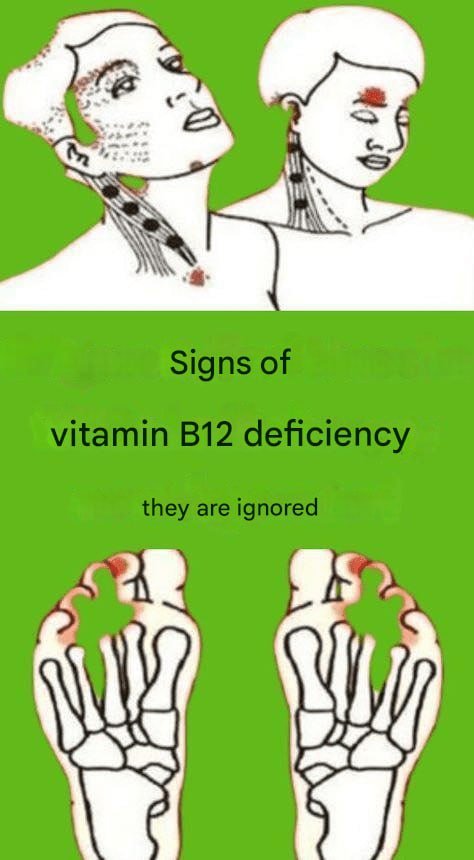
vitamin B12 deficiency is frequently overlooked because its symptoms develop gradually, mimic other conditions (especially aging, dementia, or neuropathy), and routine blood tests sometimes miss early or “borderline” cases. This is particularly dangerous for older adults, vegetarians/vegans, and people with absorption disorders.
Below are the most commonly ignored signs of B12 deficiency, why doctors miss them, and who is at highest risk.
Why B12 Deficiency Is So Often Missed
| Reason | Explanation |
|---|---|
| Slow onset | Symptoms develop over months to years; patients adapt gradually and don’t notice change |
| Vague symptoms | Fatigue, “brain fog,” or mild tingling blamed on stress, aging, or poor sleep |
| Normal “low-normal” levels | Many labs set cutoff at 200–300 pg/mL, but neurological symptoms can appear above 400 pg/mL |
| No anemia present | Up to 30% of B12-deficient patients have no macrocytic anemia (normal MCV and hemoglobin) |
| Mimics other diseases | Mistaken for diabetic neuropathy, multiple sclerosis, Alzheimer’s, chronic fatigue syndrome, or depression |
Key point: Neurological damage from B12 deficiency can become irreversible if untreated for too long (sometimes >6–12 months). That’s why early recognition matters.
Most Commonly Ignored Signs & Symptoms
1. Neurological Symptoms (Often mistaken for “getting older” or “pinched nerve”)
Early / subtle:
-
Pins and needles (paresthesia) in hands or feet – often brushed off as “poor circulation”
-
Vibratory sensation loss – patient may not notice, but doctor finds it on exam
-
Poor balance or unsteady gait (especially in dark) – misdiagnosed as “age-related” or benign vertigo
-
Diminished reflexes – overlooked unless specifically tested
Progressive / severe (if ignored):
-
Numbness spreading up arms or legs
-
Positive Romberg sign (sway when eyes closed)
-
Difficulty walking (sensory ataxia – patient looks down to see where feet are)
Why ignored? Early paresthesias are often dismissed as “anxiety” or “carpal tunnel.”
2. Cognitive & Psychiatric Symptoms (Mistaken for dementia or depression)
-
Memory loss – misdiagnosed as mild cognitive impairment or early Alzheimer’s
-
Brain fog, confusion, difficulty concentrating
-
Slowed thinking and poor executive function
-
Depression, apathy, or irritability
-
Psychosis (rare, but possible) – hallucinations, paranoia (reversible with B12)
Crucial: B12 deficiency can mimic frontotemporal dementia or vascular dementia. Unlike true dementia, symptoms may partially or fully reverse with B12 treatment.
3. Unexplained Chronic Fatigue (Most Common Missed Sign)
-
Severe, persistent exhaustion not relieved by sleep
-
Often attributed to “busy lifestyle,” depression, or thyroid disease
-
Patients may have normal hemoglobin (no anemia) but still feel profoundly weak
Why it’s ignored: Fatigue is a top 3 complaint in primary care. B12 testing is not routine unless other signs present.
4. Oral & Tongue Changes (Often dismissed as “normal aging”)
-
Smooth, beefy red tongue (glossitis) – loss of papillae
-
Burning tongue or mouth – misdiagnosed as burning mouth syndrome or thrush
-
Metallic taste or decreased taste sensation
-
Recurrent mouth ulcers (aphthous stomatitis)
Note: Glossitis is highly specific for B12 (or folate/iron deficiency) but is rarely checked.
5. Neuropsychiatric Symptoms in Infants (Breastfed by B12-deficient mothers)
-
Failure to thrive, developmental regression (stops rolling over, sitting, or babbling)
-
Irritability, lethargy, hypotonia (floppy baby)
-
Movement disorders (tremors, myoclonus)
Tragic but true: Infected mothers who are vegan or have pernicious anemia unknowingly pass on severe deficiency. Symptoms are often misdiagnosed as cerebral palsy or autism.
Who Is at Highest Risk (And Most Likely to Be Ignored)
| Risk Group | Why They’re Overlooked |
|---|---|
| Older adults (≥65 years) | Symptoms blamed on “normal aging” or mild dementia |
| Vegetarians & vegans | Many assume B12 supplements unnecessary; symptoms develop over years |
| Long-term PPI or H2 blocker users (omeprazole, famotidine) | Doctors rarely warn about B12 depletion after years of use |
| Metformin users (diabetics) | Deficiency occurs in 10–30%; symptoms confused with diabetic neuropathy |
| Post-gastric bypass surgery | Malabsorption assumed to be “fixed” by routine multivitamins (often inadequate) |
| Heavy alcohol users | Poor intake + malabsorption; symptoms blamed on alcohol itself |
| Autoimmune (pernicious anemia) | Underdiagnosed; intrinsic factor antibodies not routinely checked |
Why “Normal” B12 Blood Levels Can Be Misleading
Standard reference range: 200–900 pg/mL (varies by lab)
Problem: Neurological and cognitive symptoms can occur at 300–450 pg/mL – well within the “normal” range in many labs.
Better approach:
-
Methylmalonic acid (MMA) and homocysteine – more sensitive markers of tissue-level deficiency. If elevated → B12 deficient even with normal serum B12.
-
Many experts now treat symptomatic patients with B12 < 500 pg/mL if MMA is high.
Typical clinical mistake: A patient with tingling feet and fatigue has B12 = 380 pg/mL (normal per lab). Doctor says “normal, no deficiency.” But MMA is elevated. True deficiency missed.
How to Recognize It Yourself (Checklist)
If you have 2+ of the following, ask for B12 AND MMA testing:
-
Persistent fatigue or weakness
-
Tingling, numbness, or burning in feet/hands
-
Balance problems (especially in the dark)
-
Memory lapses or “brain fog”
-
Unexplained depression or anxiety
-
Smooth, red, or painful tongue
-
You’re over 60, vegan/vegetarian, or take metformin/PPIs long-term
What to Do If You Suspect Deficiency
-
Don’t just take oral B12 before testing – it can normalize blood levels but mask diagnosis, and oral may not work if you have malabsorption.
-
Ask your doctor for:
-
Serum B12
-
Methylmalonic acid (MMA)
-
Homocysteine
-
Complete blood count (CBC) with MCV (macrocytosis is late)
-
Intrinsic factor antibodies (if pernicious anemia suspected)
-
-
Treatment options:
-
Oral B12 (1000–2000 mcg/day) works for dietary deficiency (vegans) and some malabsorption
-
Intramuscular B12 injections (1000 mcg monthly or more frequently) for pernicious anemia, severe deficiency, or neurological symptoms
-
Reversibility: The Clock Is Ticking
| Duration of deficiency | Likely outcome with treatment |
|---|---|
| <6 months | Full recovery expected |
| 6–12 months | Partial recovery; some residual numbness or cognitive slowing |
| >12–24 months | Irreversible nerve damage possible (especially posterior column loss – balance) |
Clinical pearl: Anemia reverses quickly (weeks). Neurological damage may improve slowly over months, but if no improvement after 6 months of aggressive therapy, deficits are likely permanent.
A Word to Doctors (Clinical Pearl)
If a patient over 50 presents with:
-
Unexplained neuropathy
-
Gait disturbance
-
Cognitive decline (especially if rapid or non-Alzheimer’s pattern)
-
Depression without clear trigger
Rule out B12 deficiency even with a “normal” B12 level – check MMA. It’s cheap, widely available, and the most sensitive marker.
Would you like a one-page printable checklist of B12 deficiency signs for yourself or a family member, or a guide on how to interpret B12 test results (including MMA and homocysteine) like a neurologist?