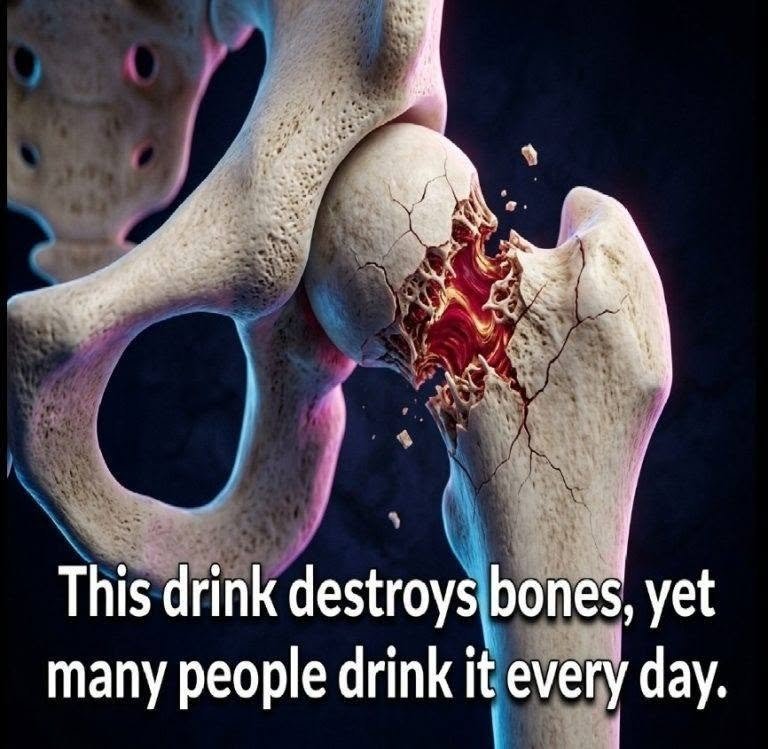
It’s important to note that for most people, occasional consumption of these drinks isn’t a major issue. The real risk comes from regular, high intake over a long period, especially when these beverages displace bone-supporting nutrients like calcium and vitamin D.
Based on health experts, here are five drinks that can be most harmful to your bones, ranked by the specific mechanisms that damage them.
1. Dark Colas
Dark colas are frequently singled out by bone health researchers as the biggest liquid offender. The issue isn’t just the caffeine or the sugar, but a specific ingredient: phosphoric acid.
-
The Mechanism: Phosphoric acid gives cola its tangy bite and dark color. Your body needs a delicate balance of calcium and phosphorus to build bone. When you flood your system with phosphorus from cola, it disrupts this balance. The body may pull calcium from your bones—your mineral reservoir—to neutralize the excess acidity and restore equilibrium, weakening the skeleton over time.
-
The Evidence: The Framingham Osteoporosis Study found that women who drank cola daily had significantly lower bone mineral density in their hips than those who drank it less than once a month, regardless of other calcium intake. This effect isn’t seen as strongly with non-cola soft drinks.
2. Excessive Alcohol
Chronic heavy drinking is a direct and powerful toxin to bone-building cells.
-
The Mechanism: Alcohol disrupts the function of osteoblasts (the cells that build new bone). Think of it as laying off your body’s construction crew. At the same time, it can increase parathyroid hormone levels, which signals the body to leach calcium from bones. Alcohol also interferes with the absorption of vitamin D, which is crucial for calcium uptake.
-
The Effect: This leads to brittle, weak bones that are highly susceptible to fracture, a condition sometimes called “alcohol-induced osteopathy.”
3. Excessive Caffeine (Especially from Energy Drinks)
While coffee gets a lot of attention, the extreme caffeine levels in many energy drinks make them a greater potential risk.
-
The Mechanism: Caffeine is a mild diuretic, meaning it causes a small increase in calcium lost through urine. For every 100mg of caffeine (roughly one cup of coffee), you might lose about 6 milligrams of calcium—a negligible amount if your diet is rich in calcium. The problem arises with high doses from energy drinks or multiple large coffees, especially for those who don’t get enough dietary calcium to offset the loss.
-
The Real Threat of Energy Drinks: They combine high caffeine with other issues like massive sugar loads (which can increase inflammation and metabolic acidity) and phosphoric acid, creating a “perfect storm” of bone-damaging ingredients.
4. High-Sugar Drinks (Soda, Sweet Teas, Fruit Punches)
The link between sugary drinks and weak bones is indirect but significant, primarily through a process of nutrient displacement.
-
The Mechanism: Consuming large amounts of sugary beverages often means you’re not drinking what your bones truly need, like milk or fortified plant-based alternatives. This displaces calcium, vitamin D, and protein from your diet.
-
Metabolic Acidity: A very high-sugar diet can promote a state of chronic low-grade metabolic acidosis. To buffer this acid load, the body may draw alkaline calcium salts from bone tissue, slowly demineralizing the skeleton.
5. Salty Drinks (Some Vegetable Juices & Savory Cocktails)
While vegetable juice can be a healthy choice, certain commercial blends and savory cocktails (like a Bloody Mary mix with added sodium) are hidden salt bombs.
-
The Mechanism: High sodium intake forces your kidneys to excrete more calcium. A widely cited rule of thumb is that for every 2,300 mg of sodium you consume, you lose about 40 mg of calcium in your urine. A single Bloody Mary mix drink can sometimes pack over 1,000 mg of sodium, triggering significant calcium loss with no bone-supporting nutrients to compensate.
The Drinks That Actually Help Your Bones
To build and maintain strong bones, focus on these:
-
Plain Water: Essential for all bodily functions.
-
Milk (Dairy or Fortified Soy/Pea): A direct source of calcium, vitamin D, and protein.
-
Calcium-Fortified Orange Juice: Gives you calcium and vitamin C, which is needed for collagen formation in bone.
-
Kefir or Drinkable Yogurt: Provides probiotics, calcium, and often vitamin D.
The key takeaway is consistency. An occasional cola is fine for a healthy person with a calcium-rich diet. The danger lies in daily habits where bone-damaging drinks consistently replace bone-building ones.
Disclaimer: This information is for educational purposes. If you have concerns about bone health, osteoporosis, or your diet, please consult a doctor or registered dietitian.